

ANU experts at COP31
ANU has a range of experts who can speak about the upcoming COP31 negotiations.
Article by:

ANU Media
The 2026 United Nations (UN) Climate Change Conference (COP31) will run from November 9–20.
The Australian National University (ANU) has a range of experts who can speak about the negotiations, Australia’s role in global action on climate change, net zero, renewable energy, extreme heat, climate education, and other key issues.
ANU also has experts on the ground in Antalya. Contact them directly via the details below or through ANU Media on +61 2 6125 7979 or media@anu.edu.au.
A video created by ANU will be screened at the Australian Pavilion at COP31, featuring leading researchers.
The Institute for Climate, Energy and Disaster Solutions (ICEDS) will host an in-depth post-COP31 webinar from 2pm–4pm AEDT on Thursday 26 November.
The event, featuring ANU experts and additional members of the COP University Alliance will discuss the climate conference outcomes and implications for the future. Media can register for this free event via Humanitix.
For media at COP31, ANU has participants at in-person events listed here.
The following ANU experts will be available in Türkiye:
Professor Owen Atkin
Director, Agrifood Innovation Institute
Expertise: Extreme heat and how crops and ecosystems respond to the changing environmental conditions.
E: owen.atkin@anu.edu.au
Professor Frank Jotzo
Crawford School of Public Policy / Centre for Climate and Energy Policy
Expertise: Net zero emissions trajectories, industrial decarbonisation and green exports, transitioning away from fossil fuels, trade-and-climate; government policy advisory
E: frank.jotzo@anu.edu.au
Professor Llewelyn Hughes
Director, ICEDS
Expertise: A lead author for the IPCC working group report on the mitigation of climate change during the seventh assessment cycle (2023-2029).
E: llewelyn.hughes@anu.edu.au
Associate Professor Dr Siobhan McDonnell
Crawford School of Public Policy
Expertise: A lawyer and anthropologist who has been a lead negotiator on climate change for Pacific governments including Fiji, Palau and Vanuatu.
E: siobhan.mcdonnell@anu.edu.au
Salā Dr George Carter
Director, Pacific Institute
Expertise: A Pacific Island climate negotiator, he leads research on climate security and Indigenous and traditional knowledge at ICEDS.
E: george.carter@anu.edu.au
Hina Aslam
ANU Law School
Expertise: Andre Hoffmann Fellow on Circular Economy Policy with the ANU College of Law, Governance and Policy and World Economic Forum, can explain circularity and metrics in heavy industry.
E: hina.aslam@anu.edu.au
Dr Melinda Krebsz
School of Engineering
Expertise: A hydrogen energy and storage specialist, she is a Research Fellow at the School of Engineering at the College of Systems and Society.
E: melinda.krebsz@anu.edu.au
Isabelle Zhu-Maguire
Coral Bell School of Asia Pacific Affairs
Expertise: PhD Candidate and veteran of multiple COPs, she has been an advocate for inclusion in climate negotiations and a participant in the researcher contingent of the UNFCCC (known as RINGO).
E: isabelle.zhu-maguire@anu.edu.au
Sam Provost
Fenner School of Environment and Society
Expertise: PhD candidate and Mapping for Mob researcher specialising in the intersection of digital spatial technologies and the conservation of biodiversity.
E: sam.provost@anu.edu.au
Top image: ANU
Contact the media team
You may also like
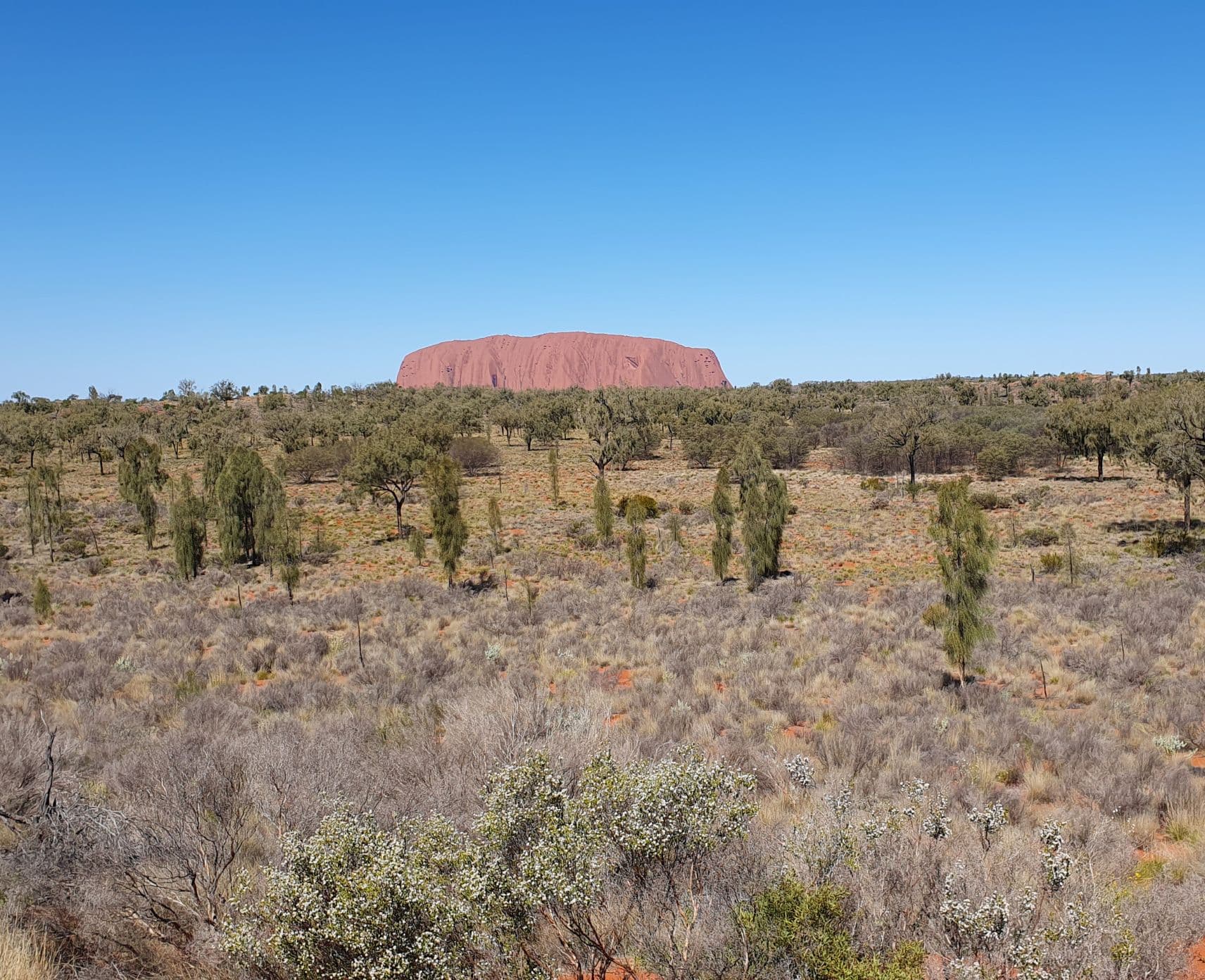
Aṉangu knowledge and western science unlock desert plants’ survival secrets after record-breaking hot drought
New research combining Aṉangu knowledge and science reveals how some culturally significant desert plants survive extreme drought and heat.
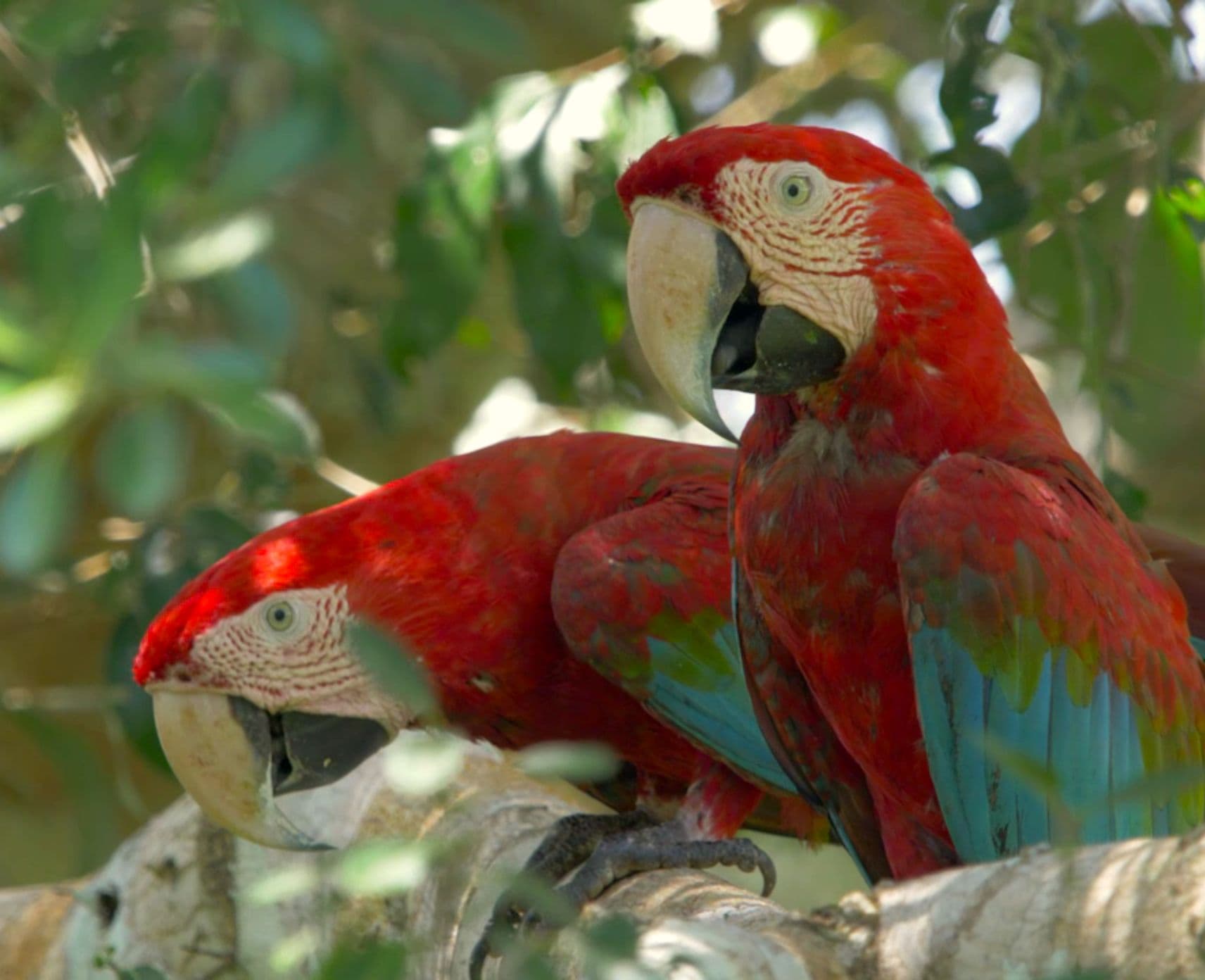
High-tech forest maps predict the ecological traits of Amazon birds
New ANU-led research reveals how forest canopy diversity shapes bird communities in the Peruvian Amazon, offering new insights to guide biodiversity conservation.

Tiny atomic tweak makes plastic-eating enzymes more powerful
A new approach that changes just one atom in plastic-degrading enzymes could help make them more efficient while maintaining their stability, according to new research from The Australian National University (ANU).