
Apple test tells us if we’re sweet or sour
Could a few bad apple choices tell us if we’re all rotten?
Apparently so.
A new international study that asks participants to choose apples has helped researchers figure out which nations are the kindest.
In the study, more than 60 researchers examined the “social mindfulness” of more than 8,300 participants from 31 industrialised countries and regions.
The ranking order saw Japan, Austria, Mexico at the top and India, Turkey and Indonesia last. Australia came in 14th.
Study co-author, Professor Michael Platow from The Australian National University, said socially mindful behaviours take little effort and include things as simple as choosing food.
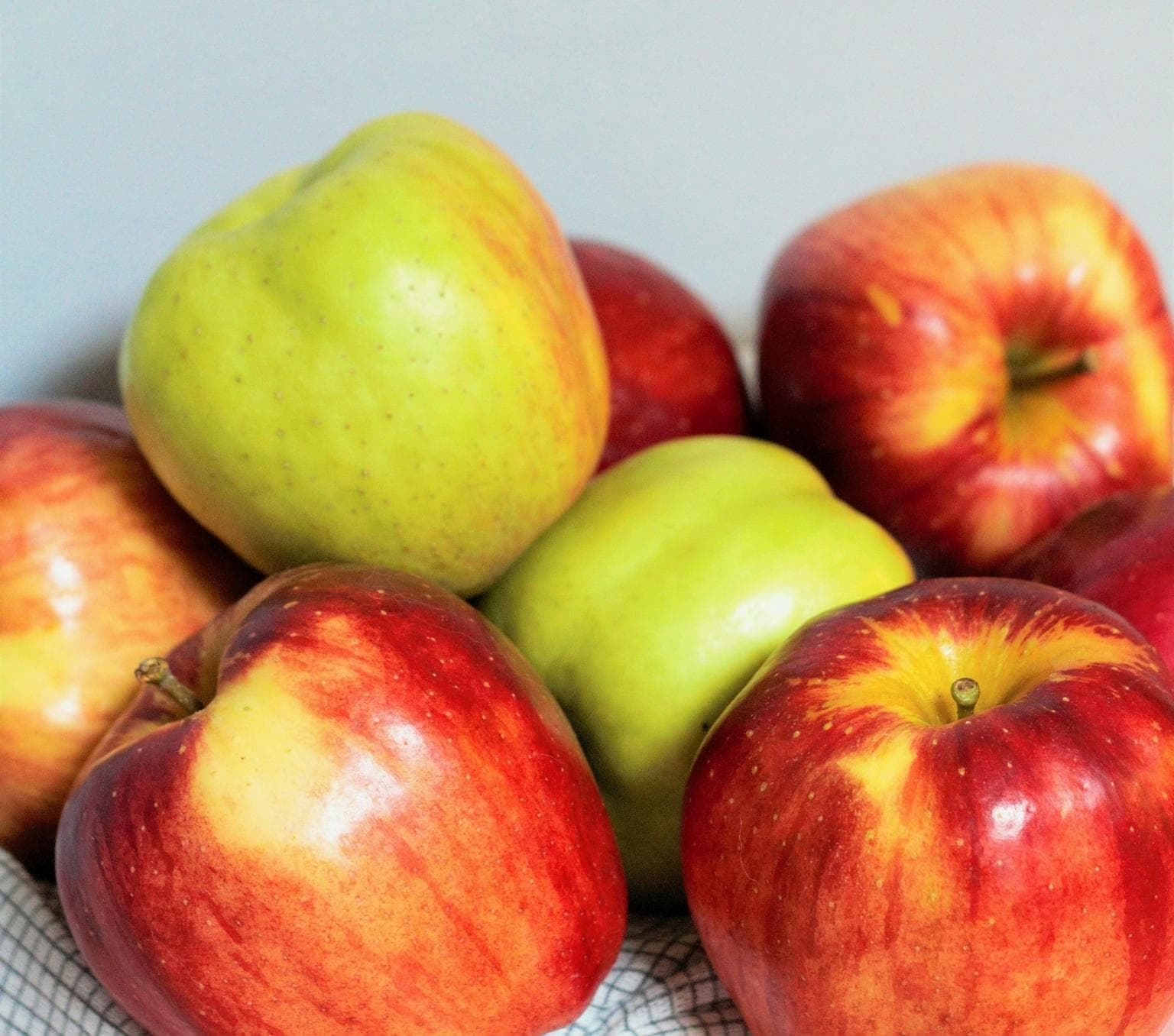
“Imagine one red apple among three green apples on a plate,” Professor Platow said.
“Taking a green apple leaves someone else more options – green or red apples. That is a nice thing to do.
“Taking the one red apple takes this choice away. That is not so nice, or less prosocial.”
The researchers examined behaviours like the apple test to find out if social mindfulness came down to individual or national level traits.
It would seem the nation you live in is likely to be the best predictor of how kind you are as a person.
“Social mindfulness, or cooperative interpersonal behaviour in which individuals consider others’ needs and perspectives at little to no personal cost, was found to differ significantly across nations,” Professor Platow said.
“Some countries simply have much higher scores than others but the differences between countries in social mindfulness go beyond just hypothetically choosing apples.”
The study’s findings are published in the Proceedings of the National Academy of Sciences.
Full ranking of countries:
Japan, Austria, Mexico, Israel, Czech Republic, Switzerland, Netherlands, Singapore, Spain, Germany, Russia, United Kingdom, France, Australia, Sweden, Portugal, Chile, China, Belgium, Poland, Romania, Argentina, United States, Canada, Republic of Korea, Greece, China (Hong Kong), South Africa, India, Turkey, Indonesia.
Top image: Gahyeon Lee/Unsplash
Featured experts
Contact the media team
Related tags:
You may also like
ANU Rocketry reaches new heights with national competition win
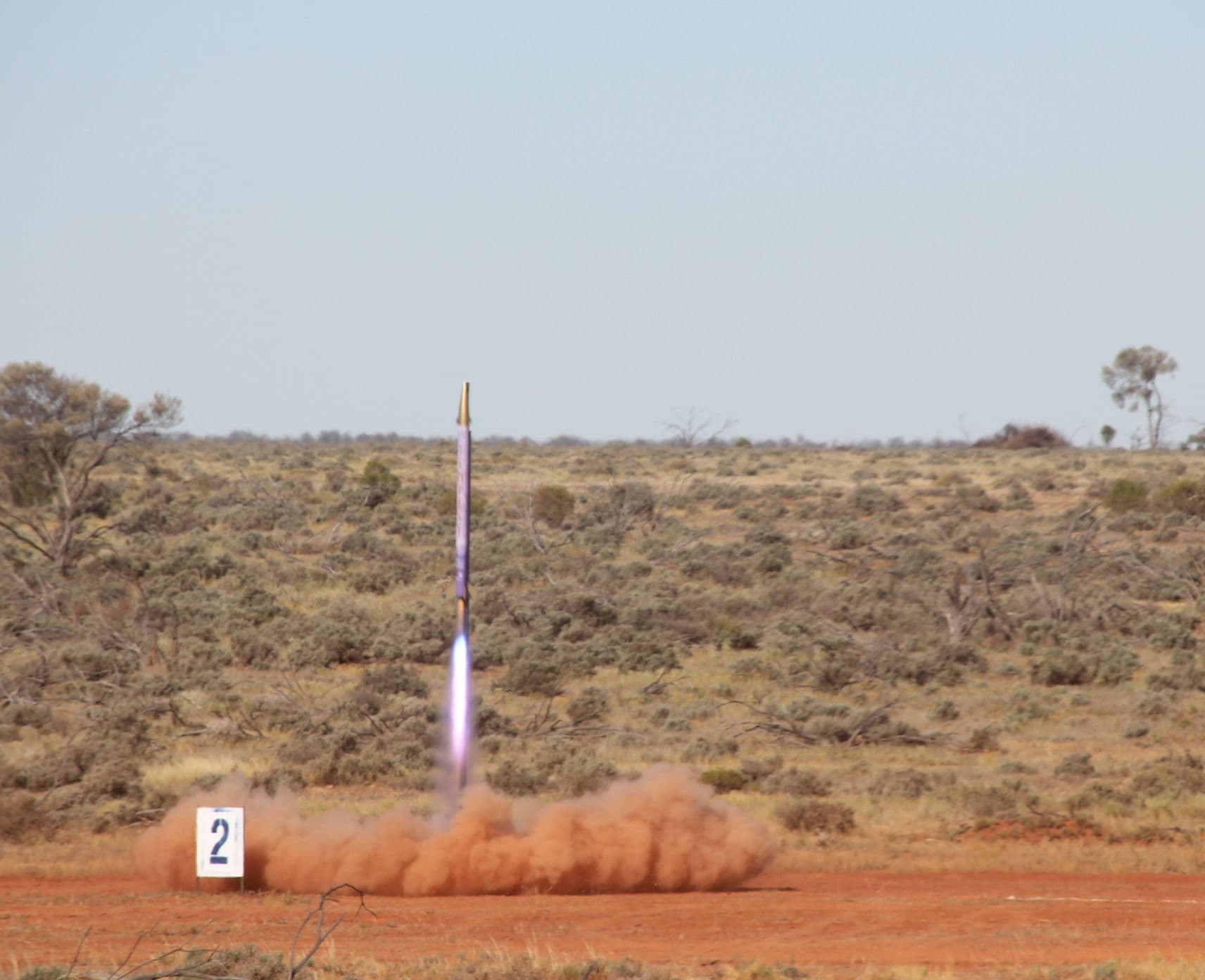
After months of design, testing and preparation, ANU students have soared to victory at the 2026 Australian Universities Rocket Competition.
Codebreakers tackle cancer drug resistance with machine learning
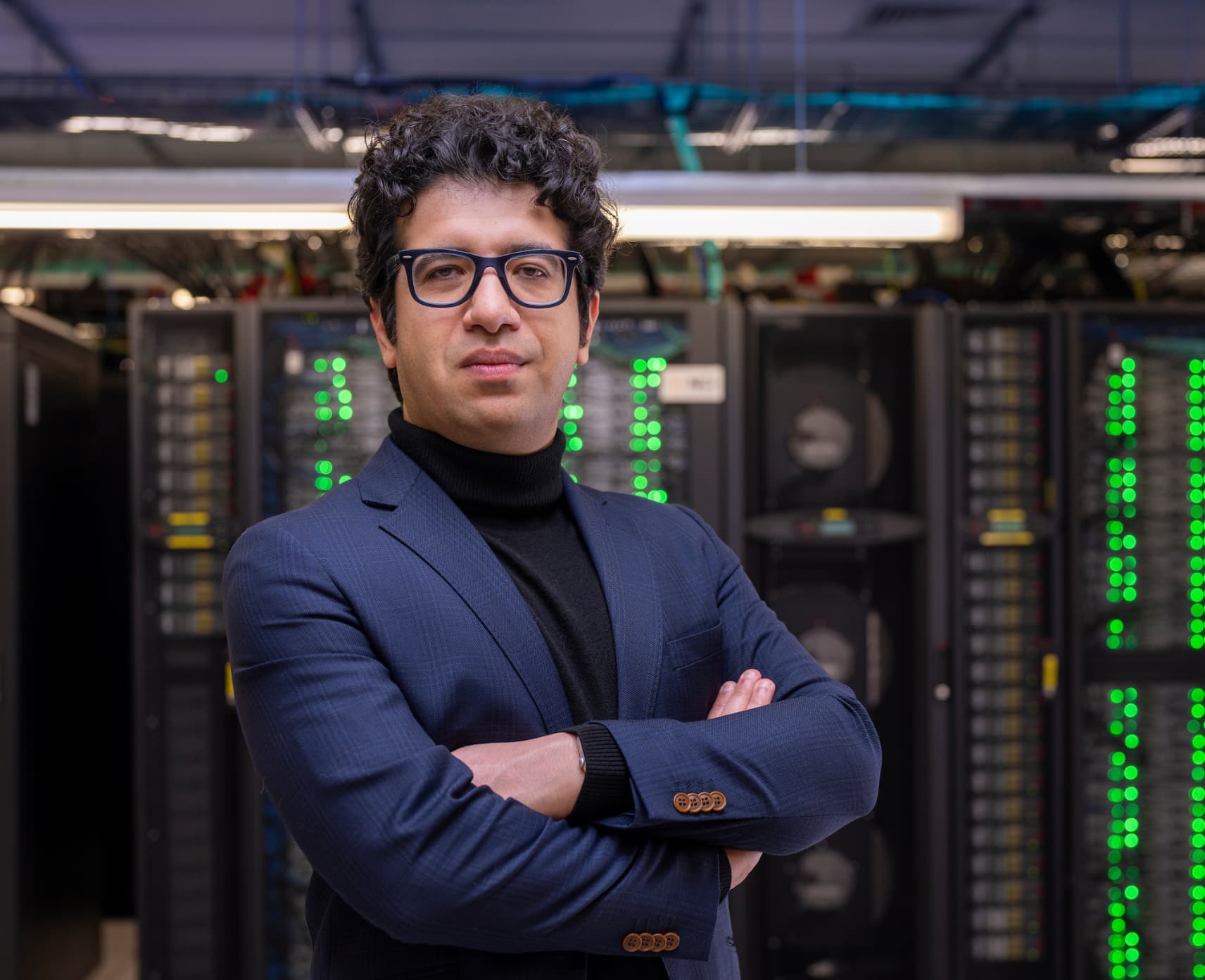
Dr Eli Niktab is building a genome atlas to tackle chemotherapy resistance – and is attracting significant global funding.
Ultra-precise ANU coatings help power the next generation of gravitational wave detectors
ANU researchers have developed ultra-precise optical coatings for LIGO’s specialised beamsplitters, helping improve the observatory’s ability to detect faint gravitational waves from across the universe.