
‘Business as usual’ won’t help Australians fully recover from natural disasters
Disaster management protocols can’t thrive if affected communities don’t have a seat at the table.
Article by:

Luis Perez
Contributing writer
Only four months into 2026, Australia is already grappling with the unrelenting impacts of climate change.
The year commenced with bushfires spreading through Victoria at unprecedented speed, scorching more than 400,000 hectares – an area bigger than the Australian Capital Territory (ACT).
The flames brought with them irreplaceable loss: human lives, homes, livestock, wildlife and the disruption of entire communities, roads and businesses.
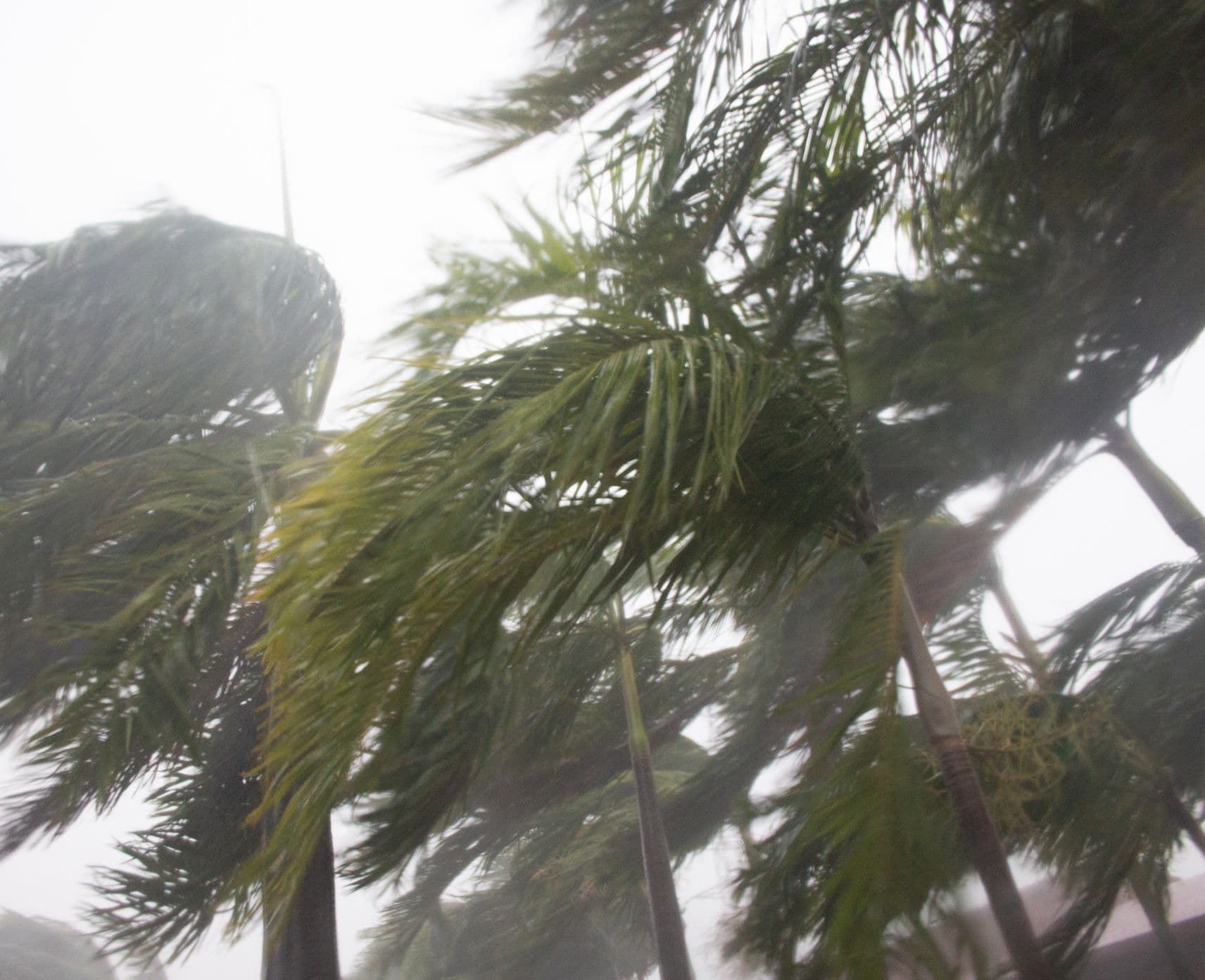
More recently, Severe Tropical Cyclone Narelle wreaked havoc across Western Australia, destroying crops, marine ecosystems and even turning the sky blood red.
These traumatic scenes are, sadly, only the prelude to a far less visible ordeal.
“Recovery can be worse than the disaster itself,” says Dr Timothy Heffernan, an anthropologist at The Australian National University (ANU).
Heffernan, whose research specialises in understanding how communities recover from life-altering events, has written extensively about disaster resilience.
“Recovery is not a linear path. It’s not a quick process. It’s protracted and complex and often changes the community in quite fundamental ways,” he says.
“The issues that emerge in the aftermath of disaster make it difficult. For many regional communities in Australia, it means years of living with trauma, isolation, inequality and community disagreement.”
As extreme weather events become more frequent and severe, the Australian government must take bold action to support local communities.
But Heffernan warns our current disaster recovery protocols are not entirely up to the challenge.

Recovery from the bottom up
Too often, governments prioritise the more “tangible” side of disaster recovery: rebuilding homes, clearing roads, relandscaping the environment etc.
While essential, impacted communities require more than physical infrastructure to move forward – but decisions about what they truly need are rarely theirs to make.
“In many western countries, disaster management takes a top-down, even militaristic approach,” Heffernan says.
“That means resources, funding and decision-making power sit with politicians at the very top of the federal and state level, rather than with communities.”
Typically, state governments operate under a 100-day post-disaster mandate. After that, Heffernan explains, they usually withdraw – leaving communities to cope with decisions they had little role in shaping.
A bottom-up approach, he says, could help democratise this process.
“Communities should be front and centre in every aspect of disaster management, response and recovery,” Heffernan says.
“Research shows that when disaster management protocols recognise a community’s knowledge, skills and resources, they tend to fare best.”

In 2021, fieldwork in the Snowy Valleys brought the ANU anthropologist and other researchers together with towns and villages affected by the black summer bushfires.
The team worked with locals to co-design recovery models tailored to each community and their idea of safety.
“This initiative showed how top-down approaches can be flipped, building awareness so that, if a new disaster strikes, people know how to bring the community together, identify vulnerable members and navigate power structures,” Heffernan says.
“Many of the issues residents raised focused on social infrastructure, places that nurture social networks and that they rely on for information around disaster preparation.
“For example, some called for upgrades to local town halls, venues used not just for emergency meetings, but for birthday parties and community gatherings that keep social ties strong year-round.”

The power of connection
Experts say one of the best ways to deal with emotional distress after a disaster is to talk about it with friends and family.
The importance of kinship and social connection is something that Heffernan discusses in his forthcoming book, Compassionate solidarity: Crisis, recovery and kincentric politics in Iceland.
The ANU researcher, whose PhD explored how Icelanders recovered from the 2008 economic crisis, says sharing lived experiences, and hearing those of fellow survivors, can be a catalyst for recovery in difficult times.
“It allows people to see their own experiences reflected in others and to learn how someone else overcame adversity,” Heffernan says.
As part of the HowWeSurvive initiative, Heffernan and his colleagues at UNSW Sydney put this idea to the test developing an interactive storytelling map where people can share their survival stories online.
The platform has created a space for voices often overlooked by media coverage and official inquiries.
Ultimately, Heffernan says resilience is built in small, consistent acts of showing up for others.
“It doesn’t need to be like best friends hanging out. Something as simple as sitting together with your neighbour over a cup of coffee is really meaningful,” he says.

A democratic threat
The frequency of natural disasters is clashing with an existing housing supply shortage in what Heffernan calls a “compounding crisis”.
“Multiple crises are happening at once,” he says.
“These issues are quite acute in regional areas, where there are not enough houses to accommodate people even on a temporary basis.”
Climate disasters are pushing people into homelessness, but it is also making them more distrustful of the government.
“People are losing faith in the system. In some cases, this can lead to anti-democratic and anti-liberal sentiments,” he says.
“But this moment of adversity is also an opportunity – a chance to rethink the housing system in which we live in.”
Can we deliver quick wins?
While disasters can easily compound, Heffernan says there are low-hanging fruit initiatives that can deliver quick wins.
“We often find that people who work on emergency management aren’t talking to the people who are building houses, or with homelessness services and non-for profits,” he says.
“Different government and non-government actors are working in isolation. We need to knock down those silos.”
Another priority, Heffernan adds, should be educating and integrating younger generations, who are among the most vulnerable members of the community.
“Young adults are being excluded from disaster risk reduction initiatives internationally. This must change if we want to meet their needs and boost their confidence as emerging community leaders,” he says.
Heffernan has recently worked on two programs partnering with regional, rural and remote schools in New South Wales (NSW) to promote disaster preparedness and mental health education.
“One in five Australian children and adolescents are affected by disaster, increasing their risk of lifelong, mental health and wellbeing impacts,” he says.
“We are strategically encouraging schools to foster relationships between students and members of the community, such as police and firefighters, to build bonds and familiarity that can be crucial during a disaster.
“I’m also involved in an ongoing project to train teachers and school staff in mental health first aid.
“It is often difficult to deploy psychologists to disaster areas. We’re not trying to replace them, but to help fill the gap by teaching adults how to listen and connect with students.”
Top image: adobestock.com
You may also like

Talking from the heart: how a former pilot is advocating for Fiji on the global stage
After seeing the devastating impacts of cyclones that hit his community in Fiji, Laurie Singh took his lived experience of the climate crisis to COP30 in Brazil.
‘I feel my heart breaking today’ – a climate scientist’s path through grief towards hope
The science tells us this is our last chance to avert planetary disaster, but accepting our feelings of intense loss – for ourselves and the Earth – can propel us into action.
Australia’s environment is improving but climate change is ‘accelerating’ damage to ecosystems and wildlife
Climate change continues to inflict serious and accelerating damage on marine ecosystems and wildlife, according to new report led by ANU.