
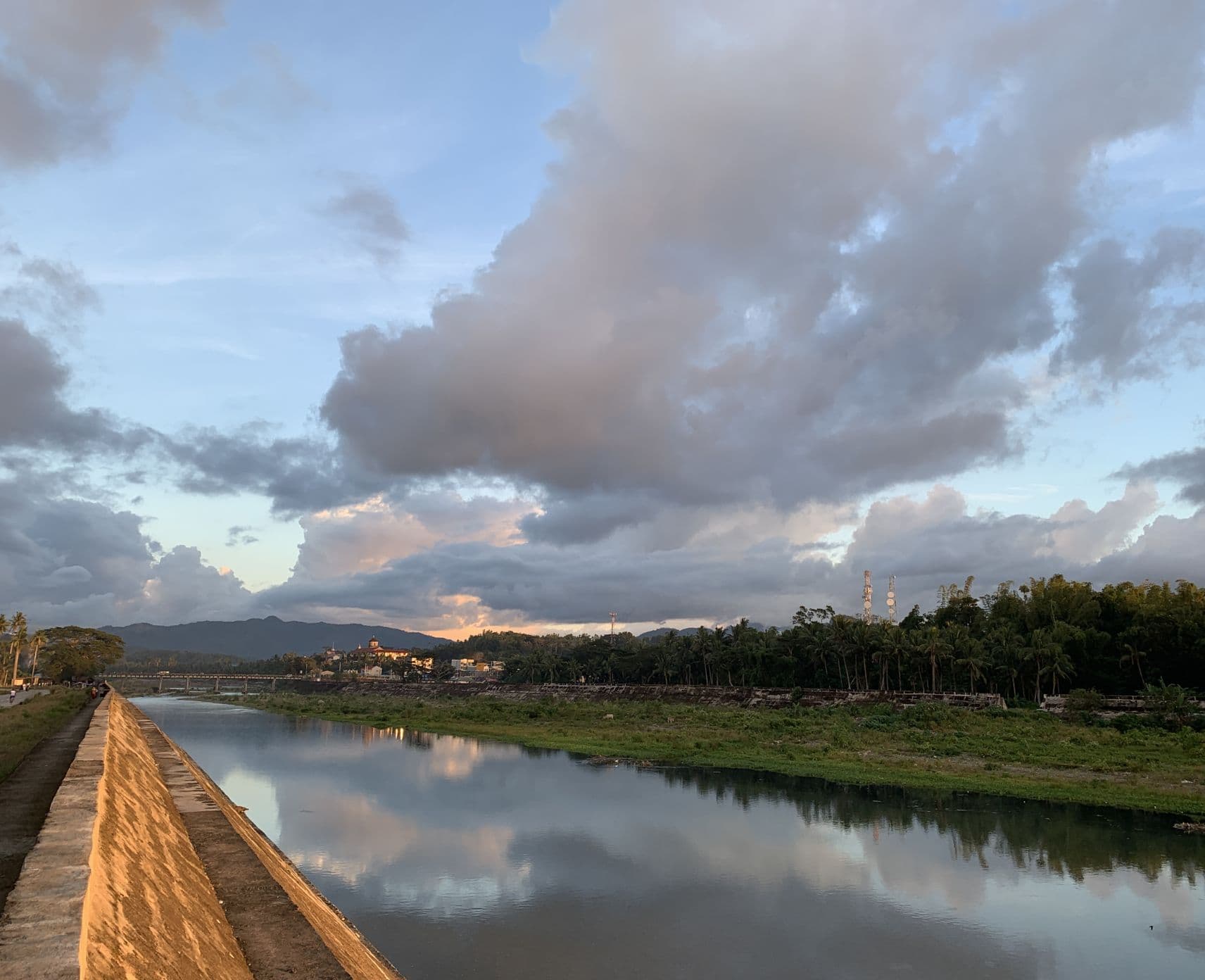
“Damage that doesn’t make headlines”: a mining disaster still devastates this island, 30 years on
ANU researchers are asking why one of the worst environmental catastrophes in Southeast Asian history barely registered as a disaster at all.
Article by:

Kathryn Vukovljak
Contributing writer
On Marinduque, the Boac River still bears the scars of a mining disaster that spread toxic waste across the island in 1996. But the damage had started long before.
Researchers from The Australian National University (ANU), Dr Emerson Sanchez, from the ANU Crawford School of Public Policy, and Dr Bryan Levina Viray, from the ANU Centre for Heritage and Museum Studies, have studied what happened on the small Philippine island and what it has meant for the people who still live there.
“It’s a stark example of how environmental harm can unfold slowly over decades,” said Dr Sanchez.
His work draws on the concept of ‘slow violence’, coined by Princeton environmental Professor Rob Nixon – harm that is gradual, dispersed and under-recognised – to explain why accountability and response to disasters like this are often delayed.

Three disasters, decades in the making
Marcopper Mining began full-scale operations in 1969, and over the following decades the island experienced three related disasters.
The slowest destruction came from Marcopper pumping around 50,000 metric tons of copper mine tailings daily into Calancan Bay from 1975.
By 1991, when the dumping stopped, around 200 million tons of waste had entered the water. Dr Sanchez said that the full toll on marine life, fishing livelihoods and residents’ wellbeing “only became visible after more than a decade of continuous pollution”.
In December 1993 a siltation dam broke, flooding villages in Mogpog and destroying homes and farmland.
By the time the mine drainage tunnel collapsed in March 1996, the island had been absorbing the consequences of mining for a generation.
Politics, power and silenced communities
Dr Sanchez’s research looks at how the three disasters caused both environmental shocks and political ruptures – exposing tensions between national development agendas, corporate power and affected communities.
By analysing policy debates, media narratives and grassroots responses, he argues that the disasters reshaped public understandings of progress and risk, often ignoring the voices of residents.
“If we focus only on the sudden rupture, that one event, we ignore the main disaster – decades of toxic accumulation that didn’t happen in a moment, but in a series of quiet, devastating increments,” Dr Sanchez said.
“Environmental harm in Marinduque is the kind of damage that doesn’t make headlines because it happens too slowly for a camera to capture, yet it fundamentally alters the landscape forever.”
“We shouldn’t view this as a single catastrophe, but as a chronic erosion of health and hope. When toxic dust becomes a part of your daily breeze and a dying bay becomes your backyard, the disaster isn’t an event – it’s an environment.”
Dr Sanchez said that communities end up absorbing the damage over time.
“For the people of Calancan Bay, the disaster was the steady loss of their livelihoods. It’s the difference between a sudden storm and a rising tide of waste that eventually swallows your way of life,” he said.
“We shouldn’t view this as a single catastrophe, but as a chronic erosion of health and hope. When toxic dust becomes a part of your daily breeze and a dying bay becomes your backyard, the disaster isn’t an event – it’s an environment.”
Art as memory, protest and survival
Where Dr Sanchez studies the political and documentary record, Dr Viray looks at how communities have processed and preserved their own experience of disaster, including through performance.
“This is where humanities and the arts come in; the arts have the power to tell stories and express emotions creatively, in different forms, about issues that are still relevant today,” Dr Viray said.
In 2004, students at Marinduque National High School created a dulayawit, a traditional Philippine form combining drama, dance and music, to commemorate the disasters. Dr Viray researched this performance, called Cry of the Marinduqueños as a form of living documentation.
“The students were children at the time of the mine collapse, and the performance emerged as both a gesture of solidarity with its victims and a cultural touchstone for the island,” Dr Viray said.
“Unlike the formalities of legal arbitration that have direct implications for an issue, dulayawit do something just as powerful – they speak straight to our affective faculties as humans.” Through ecological performances, memory (both good and bad) can be retold as often as needed, and communities keep control of the narrative.
“The performance might inspire later generations to perform in commemoration of the environment that was destroyed and the people who lost their lives, and more importantly, to protest the ongoing possibility of it happening again.”

History repeating
What makes Marinduque more than a historical case study is that the story is far from over.
This year, as communities gathered to mark 30 years since the tunnel collapse, Marcopper Mining applied for a new licence to mine again in the same area.
In recent weeks the local government, through its environment committee hearing, stood firm with ‘No to mining’ and ‘No to mining exploration’ by First State Mining Resources Corporation in the towns of Torrijos, Santa Cruz and Buenavista.
Local councils have also petitioned President Ferdinand “Bongbong” Marcos Jr. to deny the application.
The petition carries historical weight. It was the current president’s father, Ferdinand Marcos Sr., who vetoed a ban on mining in the area decades ago – a decision that led to the contamination of the island’s waterways and the devastation of its communities. Now his son is facing a similar decision.
“The stakes are very high, and this is when our local and national government will be tested on how committed they are to stopping mining industries in Marinduque, despite the pressures of big businesses,” said Dr Viray.
Top image: Boac River in 2021. Photo: Juan Paolo Guillermo
You may also like
Ancient maritime voyagers carried symbolic art 4,000 years ago
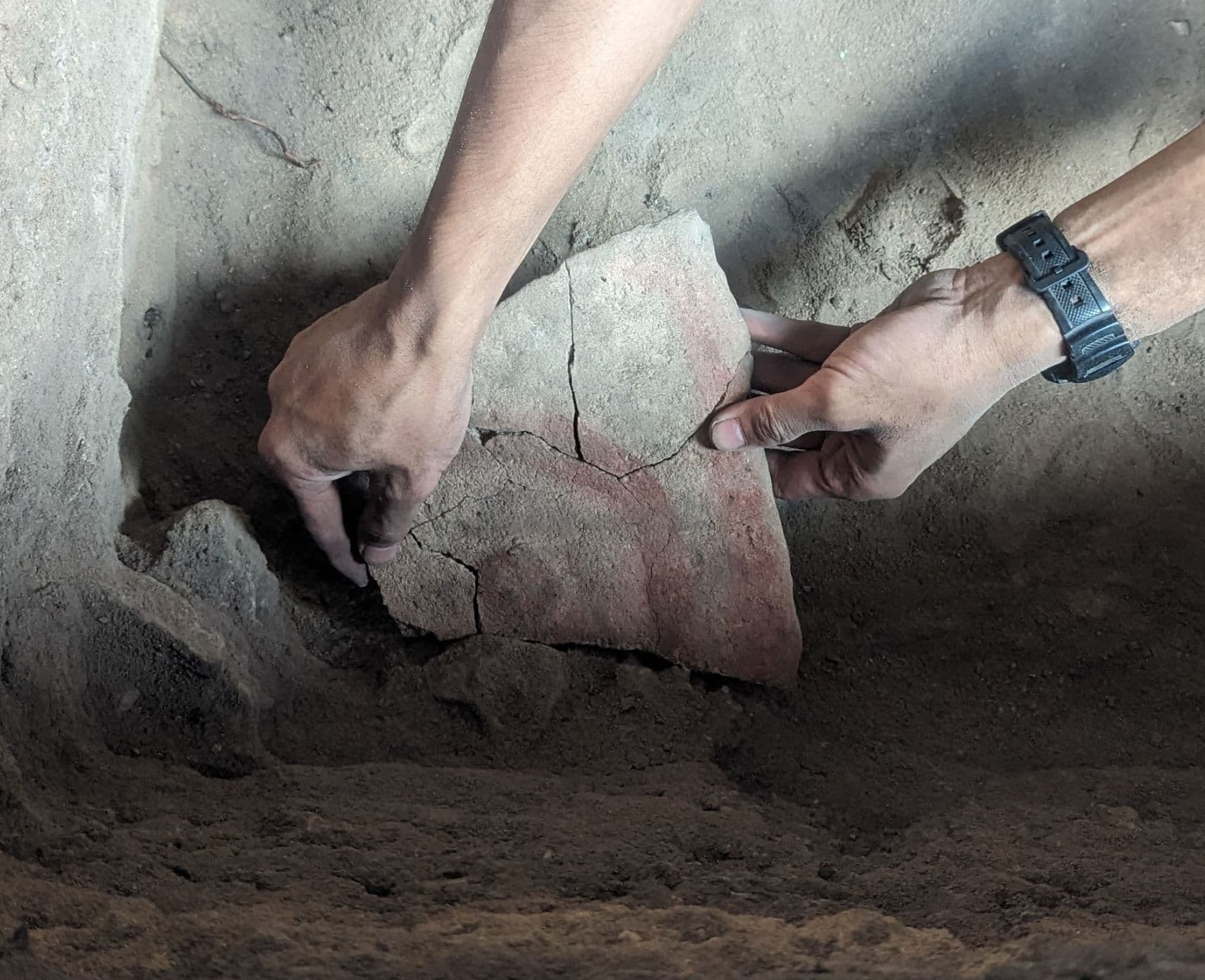
A 4,000-year-old painted stone plaque discovered on a remote Indonesian island is the first known example of portable art belonging to the Austronesian Painting Tradition (APT), providing a rare glimpse into the symbolic world of some of history’s greatest maritime voyagers.
Australian cave discovery shows grass was burned for magic, healing and cursing for 25,000 years
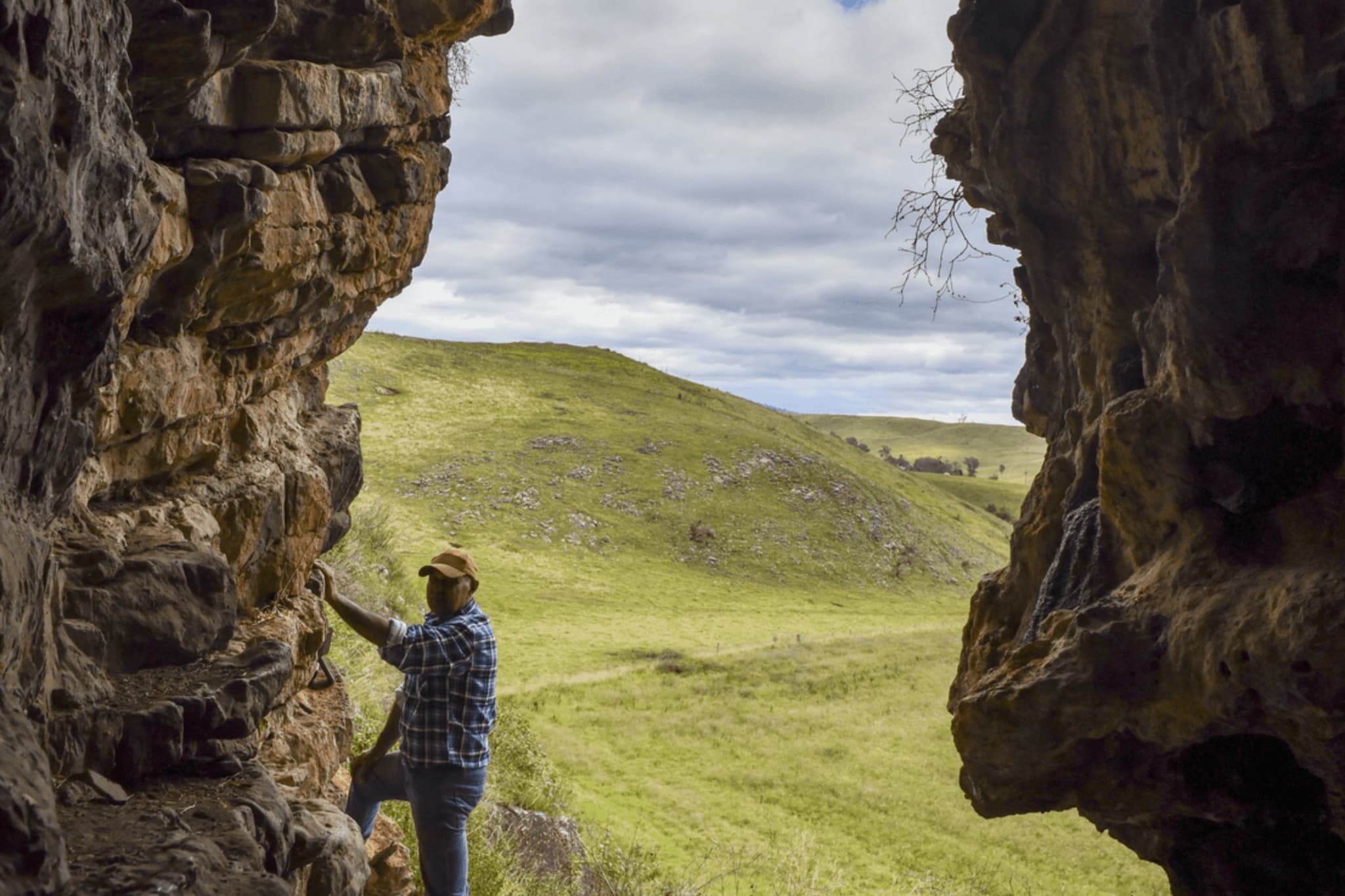
Perfectly preserved ‘phytolith’ plant crystals reveal that Indigenous Australians took grasses into a cave for ritual burning since last Ice Age.
The fuel crisis has hit the Pacific hard. The region is responding – but tough choices lie ahead
The fuel crisis poses a bigger challenge to Pacific Island countries than many other nations.