
Democracy Sausage: A perilous occupation with Peter Greste
Peter Greste joins Democracy Sausage to talk press freedom – what happens when it's taken away and how to protect it.
In a world where journalists have their homes and workplaces raided under national security rounds, how can we preserve the public’s right to know?
With no explicit constitutional right to freedom of expression, how can Australia protect press freedom?
And how do we tackle the declining levels of trust in journalism?
On this episode of Democracy Sausage, Professor Peter Greste joins Professor Mark Kenny to reflect on his detention in Egypt, the ethical responsibilities of media and the perilous state of being a modern-day journalist.
Peter Greste is an award-winning journalist, author and academic. He has been a foreign correspondent with the Reuters, CNN, BBC and Al Jazeera. He is also a Professor of Journalism and Macquarie University and the executive director of the Alliance of Journalists’ Freedom.
Mark Kenny is the Director of the ANU Australian Studies Institute. He came to the University after a high-profile journalistic career including six years as chief political correspondent and national affairs editor for The Sydney Morning Herald, The Age and The Canberra Times.
Democracy Sausage with Mark Kenny is available on Apple Podcasts, Spotify, Pocket Casts, Google Podcasts or wherever you get your podcasts. We’d love to hear your feedback on this series, so send in your questions, comments or suggestions for future episodes to democracysausage@anu.edu.au.
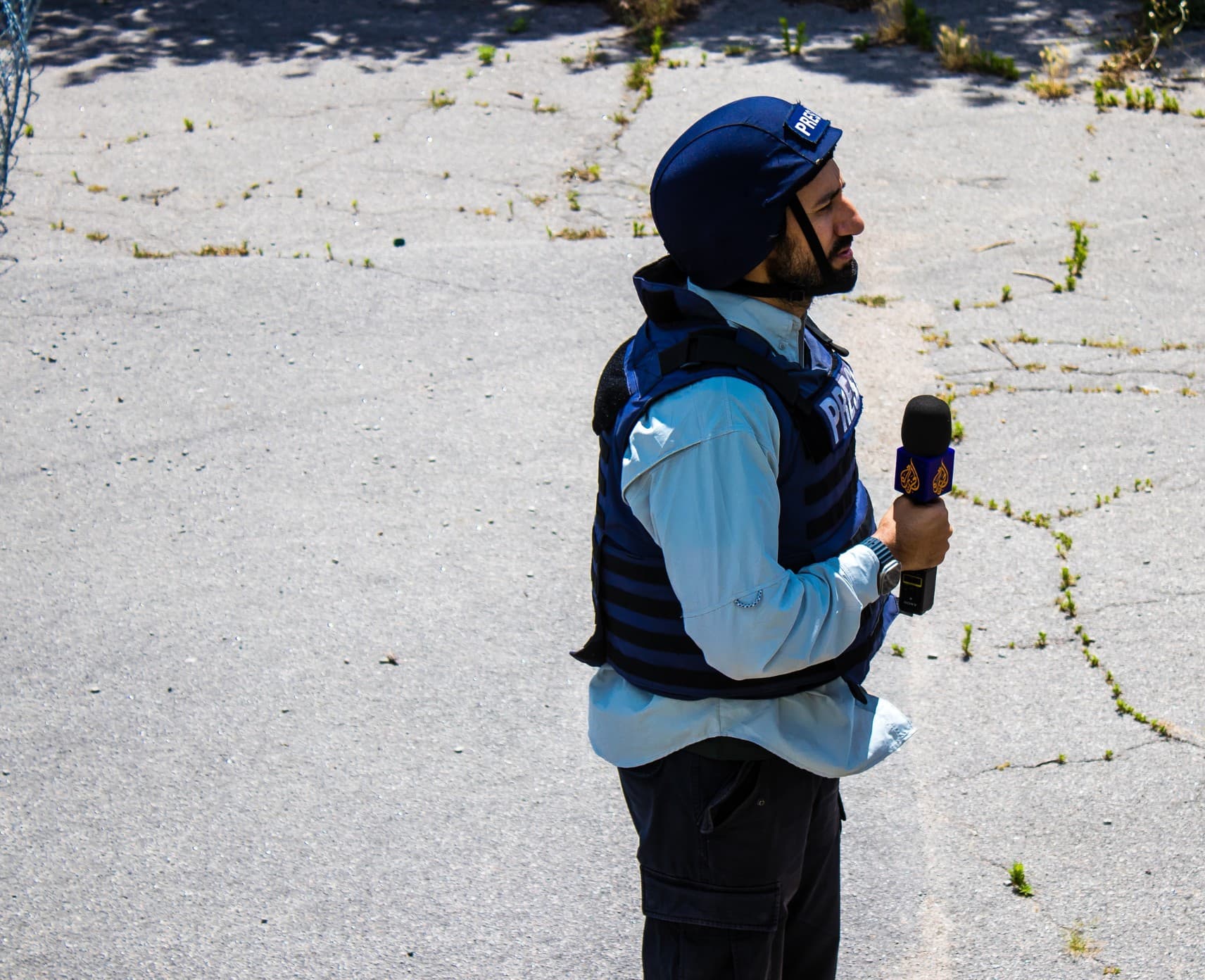
Top image: A journalist correspondent for Al Jazeera. Photo: Jose HERNANDEZ Camera 51/shutterstock.com
You may also like
Democracy Sausage: Forty Years On
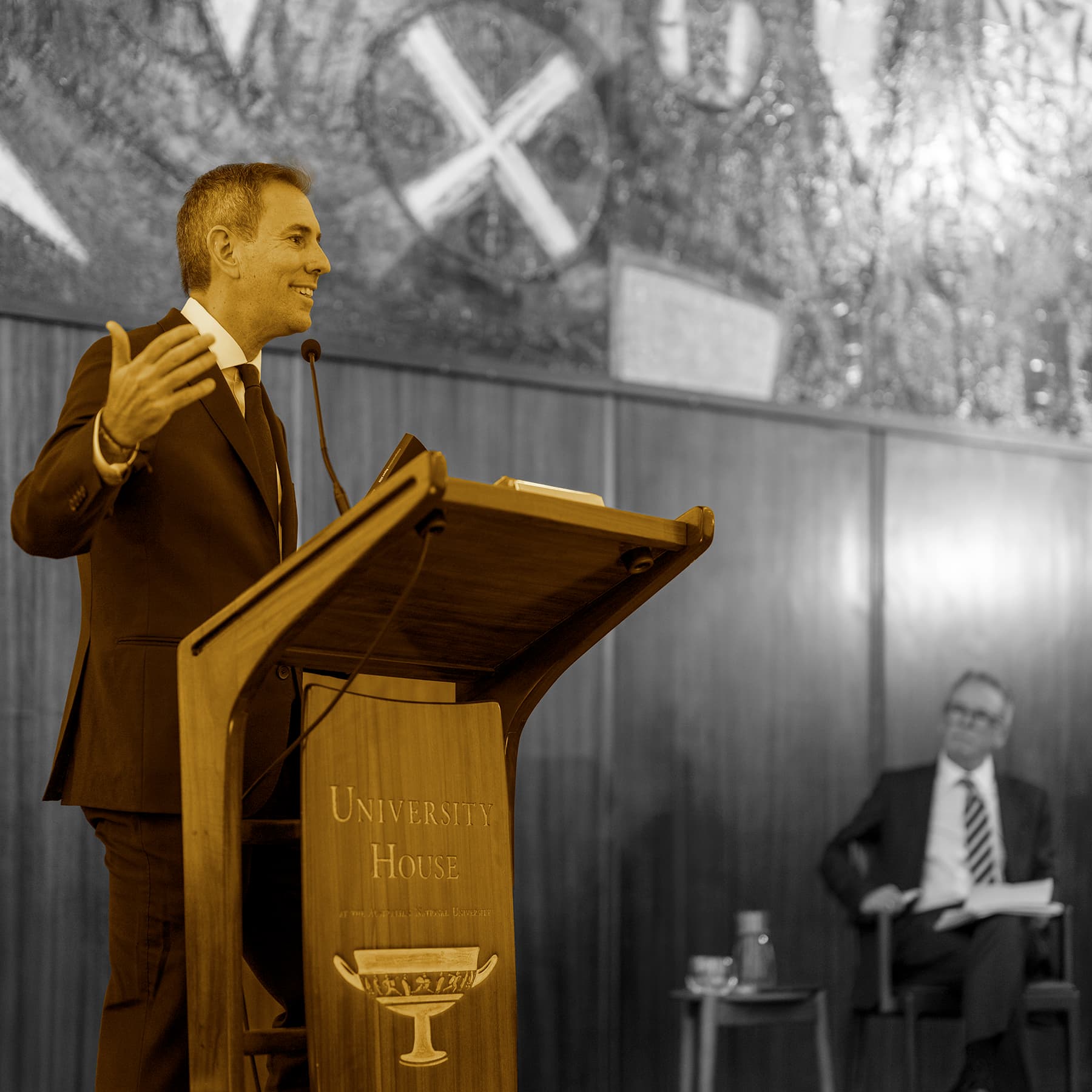
Treasurer of Australia and ANU Alum the Hon Dr Jim Chalmers MP joins Mark Kenny and Liz Allen on Democracy Sausage to unpack the 2025 Intergenerational Report.

Canada is managing migration without taking a sledgehammer approach. Here’s how Australia can, too
What exactly is Canada doing to manage migration, and what lessons does its experiment have for Australia?

Parental gambling linked to poorer health and educational outcomes for Australian children
New Australian research has found that risky parental gambling is associated with poorer physical health, mental health and educational outcomes among children.