
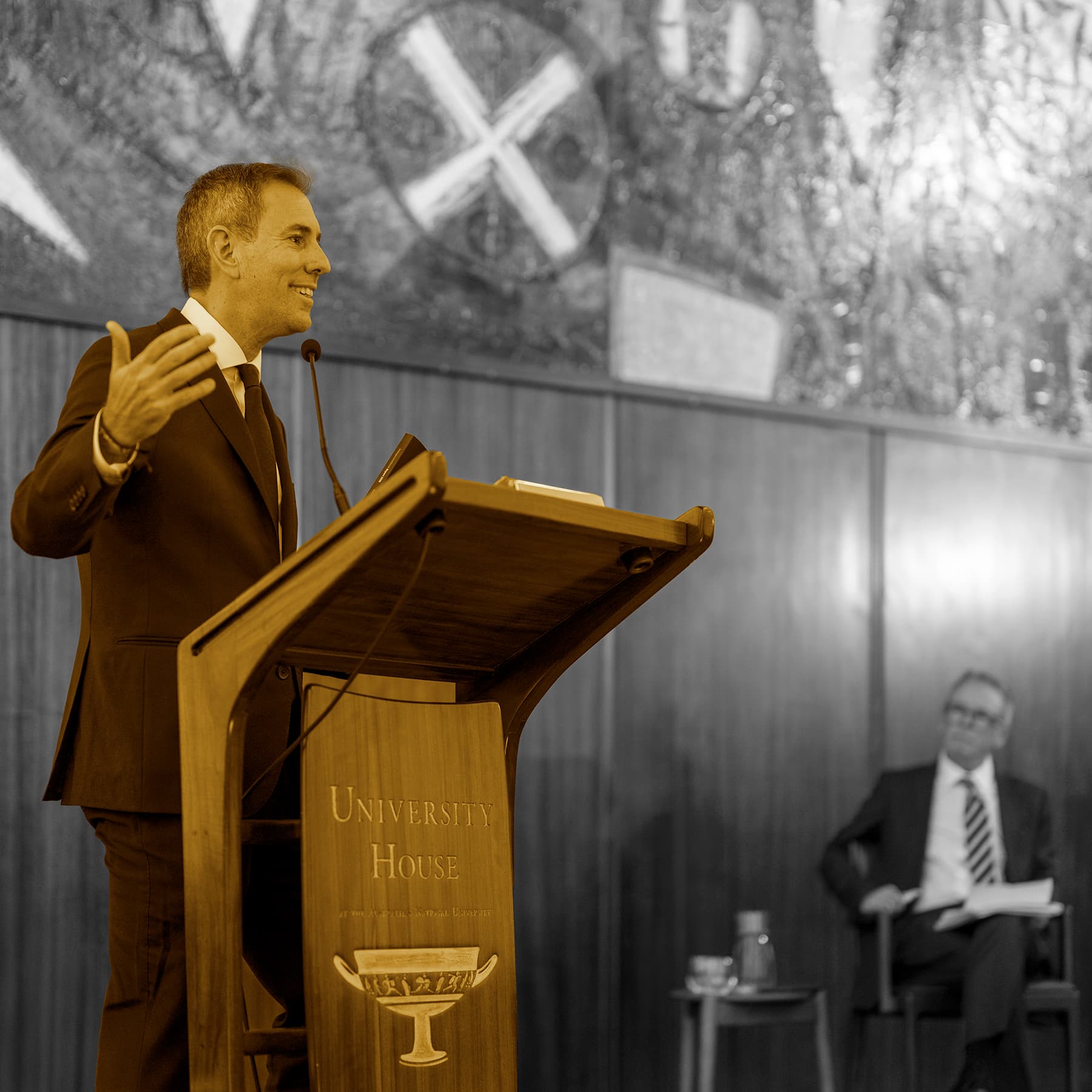
Democracy Sausage: Forty Years On
Treasurer of Australia and ANU Alum the Hon Dr Jim Chalmers MP joins Mark Kenny and Liz Allen on Democracy Sausage to unpack the 2025 Intergenerational Report.
What are the five forces reshaping Australia’s economy and society over the next four decades? What it will take to keep Australians’ faith in government alive while managing them? What can younger Australians expect from future governments?
The Hon Dr Jim Chalmers MP is the Treasurer of Australia, and an ANU Alumni, completing a PhD in political science in 2004.
Liz Allen is a demographer at POLIS: The Centre for Social Policy Research at the Australian National University.
Mark Kenny is the Director of the Australian Studies Institute. He came to the Australian National University after a high-profile journalistic career culminating in 6 years as chief political correspondent and national affairs editor of The Sydney Morning Herald, The Age, and The Canberra Times.
Democracy Sausage with Mark Kenny is available on YouTube, Apple Podcasts, Spotify, Pocket Casts, Google Podcasts or wherever you get your podcasts. We’d love to hear your feedback on this series, so send in your questions, comments or suggestions for future episodes to democracysausage@anu.edu.au.
This podcast is produced by the Australian National University on the lands of the Ngunnawal, Ngambri and the Ngarigu peoples.
Top image: Jamie Kidston/ANU
Featured experts

You may also like

Democracy Sausage: The corporate capture of our universities
On this episode of Democracy Sausage, NSW Labor MLC Dr Sarah Kaine joins Professor Mark Kenny and Dr Marija Taflaga to discuss her parliamentary inquiry into university governance, the loss of universities' public mission and social licence, and the growing abuse directed at politicians in the wake of the attack on Dr Helen Haines.

Democracy Sausage: Midterm reckoning: Trump, Texas and a test for democracy
Mark Kenny and Dr Marija Taflaga are joined by the United States Studies Centre's Bruce Wolpe as they reflect on the attack on the Member for Indi and the US midterms.
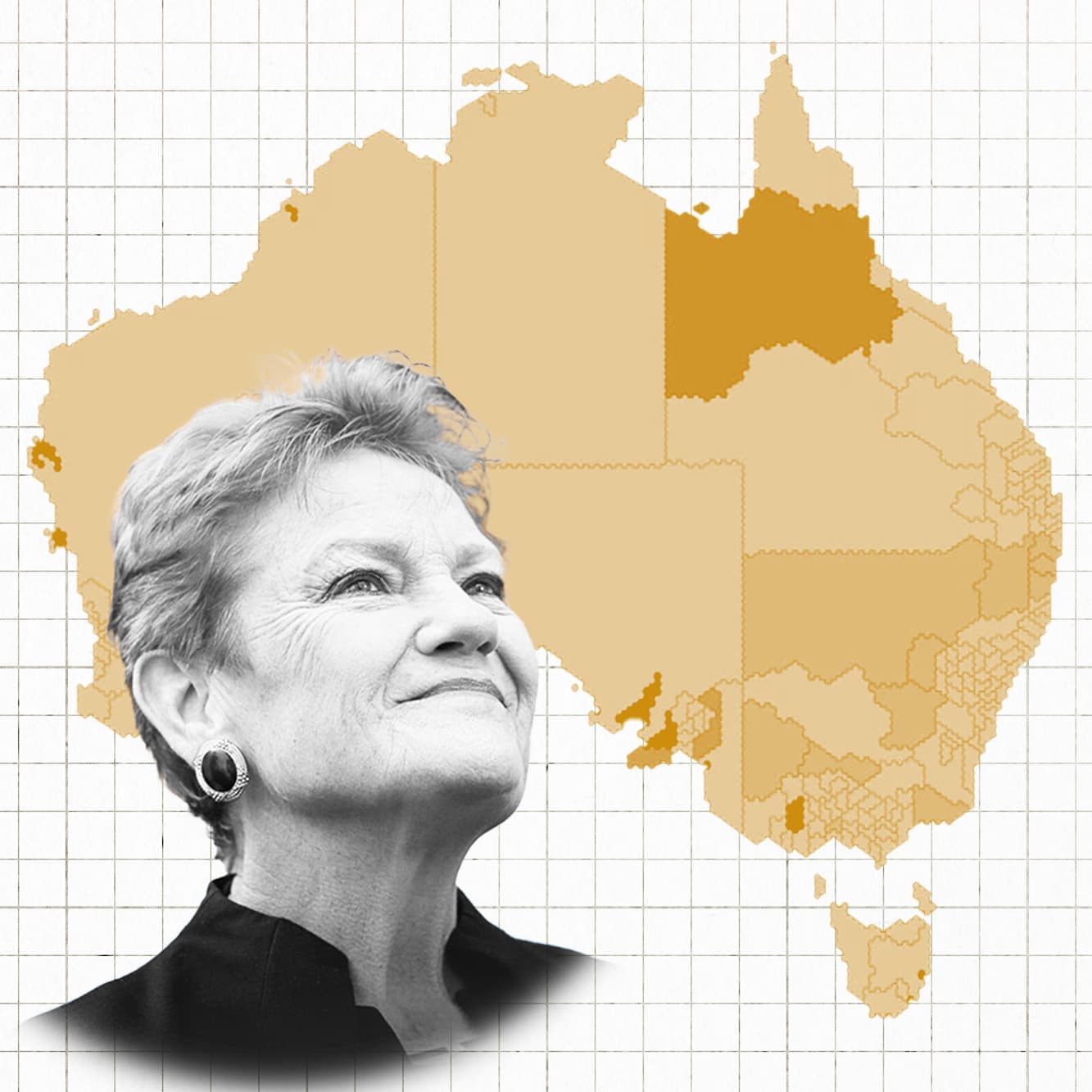
Democracy Sausage: The One Nation vote: a map of government neglect
Redbridge Group director Kos Samaras joins Mark and Marija to unpack the new Australian Resilience Index. It maps the financial, health and social resilience of communities across all 150 federal electorates.