

Democracy Sausage: Let’s get productive!
Tax policy specialists Robert Breunig and Kristen Sobeck join Democracy Sausage to help chart a more productive future for Australia.
Can we fix the tax system?
What is good economic growth vs bad economic growth?
And, ahead of the government’s productivity roundtable, how do we become more productive as a nation?
On this episode of Democracy Sausage, Marija Taflaga enlists tax policy specialists Robert Breunig and Kristen Sobeck to help chart a productive future for Australia.
Professor Robert Breunig is the director of the Tax and Transfer Policy Institute at the Crawford School of Public Policy, Australian National University.
Kristen Sobeck is a Research Fellow at the Tax and Transfer Policy Institute, at the Crawford School of Public Policy, Australian National University.
Dr Marija Taflaga is the Director of the ANU Centre for the Study of Australian Politics and a Lecturer at the ANU School of Politics and International Relations.
Democracy Sausage with Mark Kenny is available on Apple Podcasts, Spotify, Pocket Casts, Google Podcasts or wherever you get your podcasts. We’d love to hear your feedback on this series, so send in your questions, comments or suggestions for future episodes to democracysausage@anu.edu.au.
Top image: Conceptual collage of two employee groups meeting in overlapping circles as symbol of team integration.Photo: Filed IMAGE/stock.adobe.com
Featured experts

Professor Robert Breunig
Crawford School of Public Policy
Professor Robert Breunig is the Director of the Tax and Transfer Policy Institute at the Crawford School of Public Policy.
Kristen Sobeck
Research Fellow, Crawford School of Public Policy
Kristen Sobeck is a Research Fellow at the Tax and Transfer Policy Institute at ANU.
You may also like

Democracy Sausage: Midterm reckoning: Trump, Texas and a test for democracy
Mark Kenny and Dr Marija Taflaga are joined by the United States Studies Centre's Bruce Wolpe as they reflect on the attack on the Member for Indi and the US midterms.
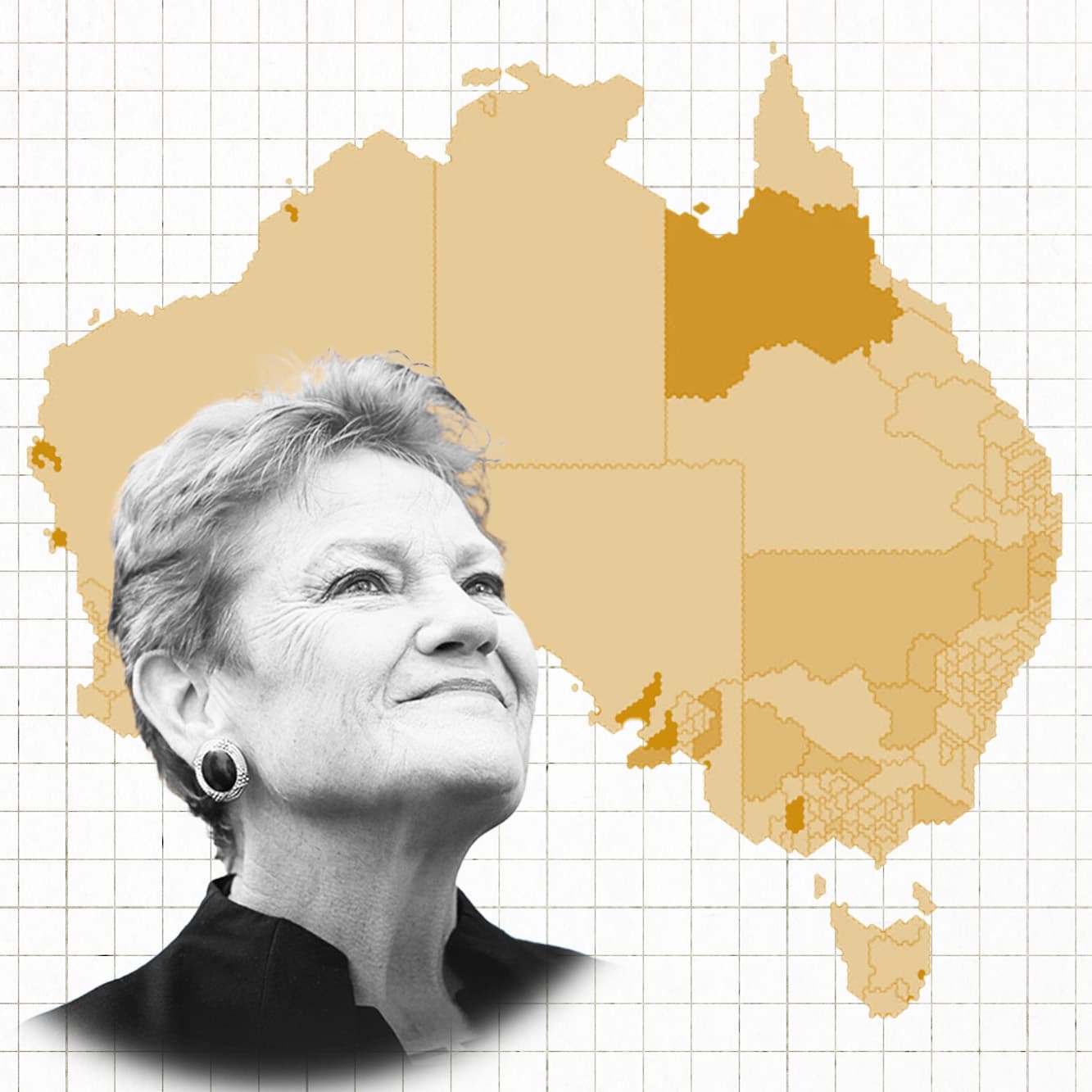
Democracy Sausage: The One Nation vote: a map of government neglect
Redbridge Group director Kos Samaras joins Mark and Marija to unpack the new Australian Resilience Index. It maps the financial, health and social resilience of communities across all 150 federal electorates.

Democracy Sausage: Not here to fix Labor
On this episode, Professor Mark Kenny and Dr Marija Taflaga look at what was behind the Greens' first truly competitive leadership contest. They discuss why personal relationships carry so much weight in a party room that could fit in a minivan, and whether the Greens are really just a privatised left faction of the ALP.