

Democracy Sausage: Saving the Australian dream
Mark and Marija discuss Scott Morrison's exit from politics, before housing affordability campaigner Maiy Azize joins us to propose solutions to Australia's housing crisis.
Will Australia’s political leaders have the ambition and ability to sell substantial housing policy changes to the public? What might a fairer system look like?
And how will Scott Morrison fashion his career post-parliament?
On this episode of Democracy Sausage, Maiy Azize, author of a new report recommending changes to tax and investment policies for housing, joins Professor Mark Kenny and Marija Taflaga to discuss the policy and politics of Australia’s housing crisis.
Maiy Azize is the Deputy Director of the Anglicare Australia and spokesperson for Everybody’s Home, a national campaign that aims to fix the housing crisis.
Marija Taflaga is the Director of the ANU Centre for the Study of Australian Politics and a Lecturer at the ANU School of Politics and International Relations.
Mark Kenny is a Professor at the ANU Australian Studies Institute. He came to the University after a high-profile journalistic career including six years as chief political correspondent and national affairs editor for The Sydney Morning Herald, The Age and The Canberra Times.
Democracy Sausage with Mark Kenny is available on Apple Podcasts, Spotify, Pocket Casts, Google Podcasts or wherever you get your podcasts.
We’d love to hear your feedback on this series, so send in your questions, comments or suggestions for future episodes to democracysausage@anu.edu.au.
Top image: Jandrie Lombard/shutterstock.com
You may also like
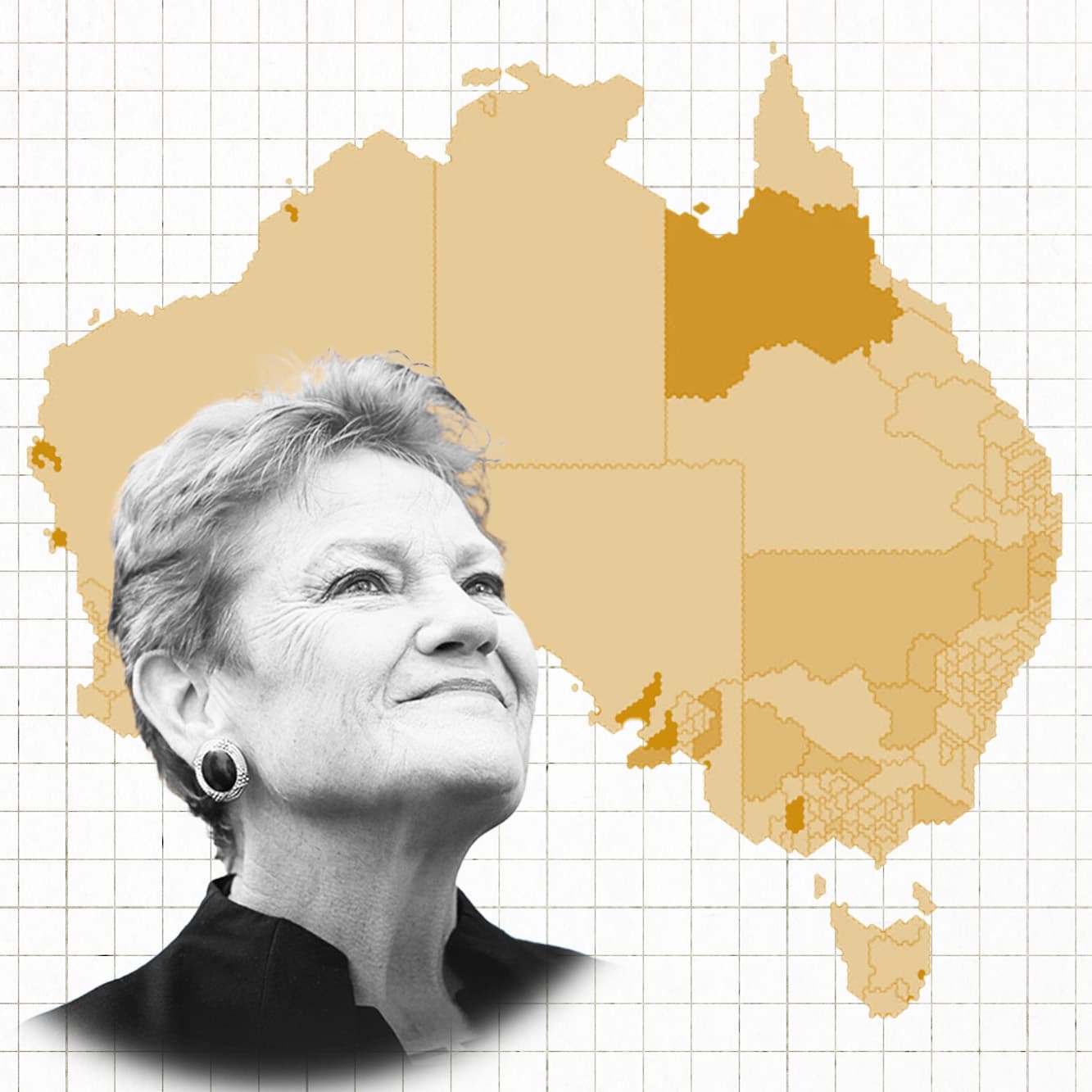
Democracy Sausage: The One Nation vote: a map of government neglect
Redbridge Group director Kos Samaras joins Mark and Marija to unpack the new Australian Resilience Index. It maps the financial, health and social resilience of communities across all 150 federal electorates.

Democracy Sausage: Not here to fix Labor
On this episode, Professor Mark Kenny and Dr Marija Taflaga look at what was behind the Greens' first truly competitive leadership contest. They discuss why personal relationships carry so much weight in a party room that could fit in a minivan, and whether the Greens are really just a privatised left faction of the ALP.

Democracy Sausage: The Alchemy of Leadership
Historian and biographer Paul Strangio joins Mark to dissect what makes — and breaks — an Australian prime minister, drawing on his newly shortlisted book The Alchemy of Leadership: Seven Australian Prime Ministers in a Turbulent Twenty-First Century.