
Dictionary calls on sporting tragics to step up to the plate in new appeal
Whether you barrack for the Tillies or Kookaburras, prefer aerial ping pong to mobile wrestling, or have been known to do a Bradbury, word experts from The Australian National University (ANU) want to hear from you.
The Australian National Dictionary Centre (ANDC) is looking for new contributions for the Australian National Dictionary, with a focus on sport-related words and phrases.
From skyscraper marks featuring the Sherrin in Aussie Rules, to a cockroach getting sent to the sin bin for a dog shot on a cane toad in rugby league, the language of Australian sport has made a significant contribution to Australian English.
According to ANDC Senior Researcher Mark Gwynn, sport-related language in Australia ranges from the mundane and descriptive to the colourful and poetic.
“As well as many common words, like oval, sundry, mark, offie, minor premier, and barrack, Australian English includes dishlicker, esky lidder, petrolhead, waxhead, up there Cazaly, and Black Caviar odds,” he said.
“Many Australian rhyming slang terms come from the world of sport like ‘Dorothy Dix’ for a six in cricket, ‘Wally Grout’ for a shout at the bar, ‘Mal Meninga’ for finger, ‘meat pie’ for try, and ‘sausage roll’ for goal.
“Some people might not realise that common Australian words and expressions such as drongo, home and hosed, sledge, fang it, and no-hoper originate in the sporting world.”
The ANDC are looking for contributions that relate to sport in some way and that might not have made it into the dictionary yet.
“These terms could be anything from types of tackles and kicks, like chicken-wing tackle or mongrel punt, to words used in backyard sports like tippy-go or six-and-out,” Mr Gwynn said.
Each year the ANDC runs an appeal for contributions from the public for the Australian National Dictionary to build on the publication’s collection of Australian words and their origins.
Past appeals include food-related words and phrases, family lingo, and Aussie nicknames for plants and animals.
“Contributions from the public are a very important way of alerting us to new words, or words that may’ve been overlooked in the past,” Mr Gwynn said.
You can share your sport-related words via the ANDC Word Box feature or through the ANDC contact page.
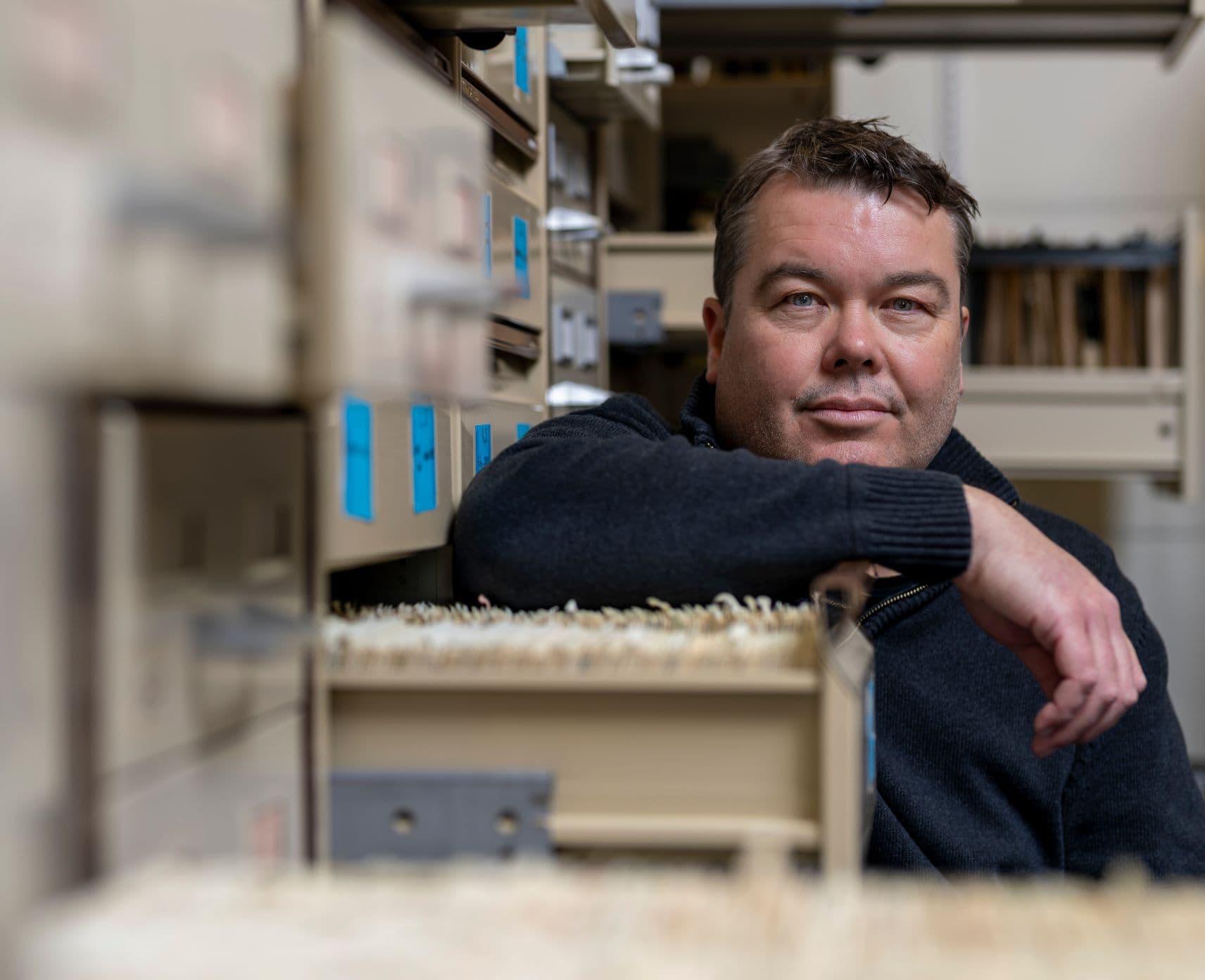
Top image: ANDC Senior Researcher Mark Gwynn is calling for sporting words and phrases. Photo: Jamie Kidston/ANU
Featured experts

Contact the media team
You may also like

The archaeologist unearthing a new chapter in the history of Southeast Asia
Professor Dougald O’Reilly’s new book breathes life into the prehistoric pasts of Myanmar, Malaysia, Indonesia, Cambodia, Thailand and Vietnam.
Remembering Ernie: the man behind Llewellyn Hall
As Llewellyn Hall marks its 50th anniversary, Emeritus Professor Larry Sitsky reflects on the musician and friend for whom the hall is named.
One historian, centuries of gossip and a fresh look at Ancient Rome
What did ordinary Romans really think of their rulers? Professor Caillan Davenport’s new book draws on juicy rumours and gossip to reveal the answer.