
Discovery could lead to new malaria treatments
A study led by researchers at The Australian National University (ANU) could lead to new treatments for combating drug-resistant malaria, as well as boost existing drugs.
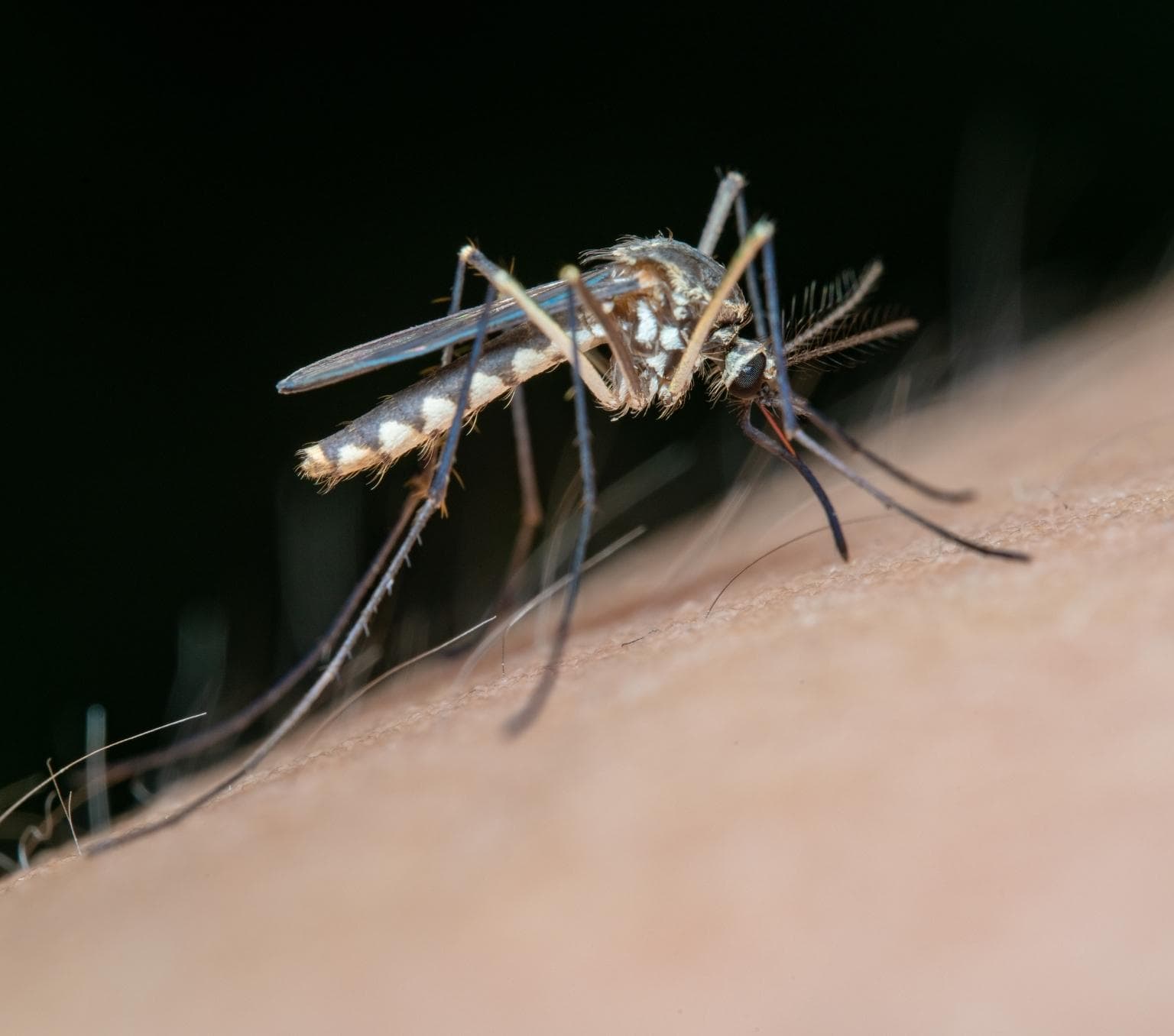
Malaria is caused by Plasmodium parasites, which are spread to people through the bites of infected mosquitoes.
According to the lead authors, Dr Rowena Martin and PhD student Sarah Shafik, the ongoing evolution of parasites that are resistant to existing drugs is a significant threat to the control and elimination of malaria.
Dr Martin’s team looked at PfCRT, a protein that is pivotal to multidrug resistance in the malaria parasite and is also itself a promising drug target.
“For 20 years, researchers around the world have been trying to understand the function of PfCRT and why it is essential for parasite survival. We have succeeded in answering these long-standing questions,” Dr Martin said.
“There is a real need to identify new drug targets for malaria, as well as to learn more about the parasite’s biology and the proteins responsible for multidrug resistance,” Ms Shafik said.
“Our study of PfCRT contributes to all of these goals.”
The research shows PfCRT can be inhibited by drugs, indicating its natural function is a ‘druggable’ target, as well as paving the way for the design of novel therapies.
“Knowing how PfCRT functions will help develop drugs that block it,” Dr Martin said.
“In addition to killing the parasite outright, these drugs could be used in combination therapies to nullify the multidrug resistance caused by PfCRT and thereby restore the activities of existing drugs.
“Therapies that target the parasite in multiple ways are crucial for combating multidrug resistant malaria.
“We are now also in a position to understand the causes and constraints that are dictating the evolution of PfCRT in different parts of the world where malaria is of concern.”
According to the latest World malaria report, there were 228 million cases of malaria in 2018.
There were also an estimated 405,000 malaria deaths in 2018, making the search for more effective treatments even more crucial.
The study was funded by the Australian Research Council (ARC), the National Health & Medical Research Council (NHMRC), and the L’Oréal Australia For Women in Science program.
It has been published in the journal Nature Communications.
Top image: Jimmy Chan/Pexels
Contact the media team
You may also like

Not just a label: rethinking psychosocial disability under the NDIS
Whether you like it or not, labels matter for the NDIS. So, why don’t we include participants from the get-go when making them?
ANU discovery could lead to more effective cancer treatment
ANU researchers are closer to developing smarter, more effective treatments for Hodgkin lymphoma, a common blood cancer.

A promising new cancer treatment for people living with Kaposi sarcoma in Africa
ANU researchers and global partners are launching a clinical trial to improve treatment for Kaposi sarcoma, one of the most common and deadly cancers in sub-Saharan Africa.