
Handbook empowers citizens to debunk fake news
The battle against fake news has a powerful new tool, with leading experts across the globe penning a free new handbook describing the best ways to combat misinformation.
The new book comes in a year where misinformation and fake news has had immediate consequences – including on our public health, general wellbeing, and democracy, the researchers say.
The authors hope the new book will help drive collective efforts against fake news by every day citizens.
Dr Eryn Newman, from The Australian National University, joined 21 other prominent scholars to author Debunking Handbook 2020.
“We know false information and fake news is sticky. We know it travels rapidly on social media,” Dr Newman said.
“Debunking 2020 is a collaborative effort from experts in the field, where we take the existing science on misinformation and translate that into how we can combat it effectively.”
The handbook unpacks the science of debunking for engaged citizens, policy makers, journalists, and other professionals.
“The book describes how we can combat misinformation and fake news through intensive debunking or inoculating people against misleading information before it is encountered,” Dr Newman said.
The authors say to prevent misinformation from sticking, people can build their resilience to manipulation by understanding misleading strategies – a technique known as inoculation.
The book explains another technique — debunking often and properly. It also suggests an effective debunking clearly explains why the information is false and what is true instead.
“Cognitive biases that lull us into believing information are insidious and even when we know we are susceptible, it can be difficult to fight them off,” Dr Newman said.
Debunking Handbook 2020 has been published online and is free to read in a collaborative effort from experts to gather the science of misinformation for practical use.
It is available to read at: http://sks.to/db2020.
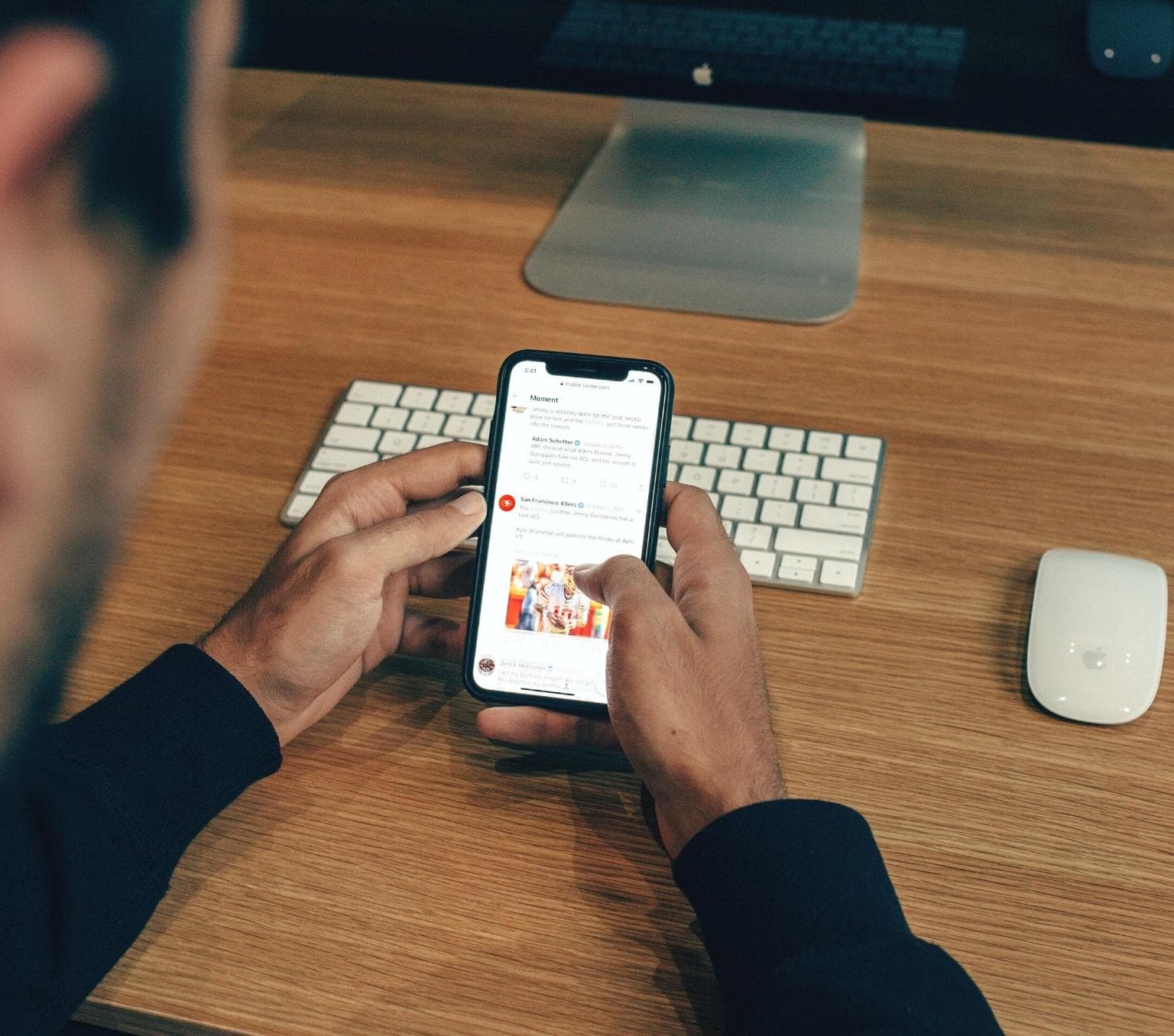
Top image: charlesdeluvio/Unsplash
Contact the media team
Related tags:
You may also like
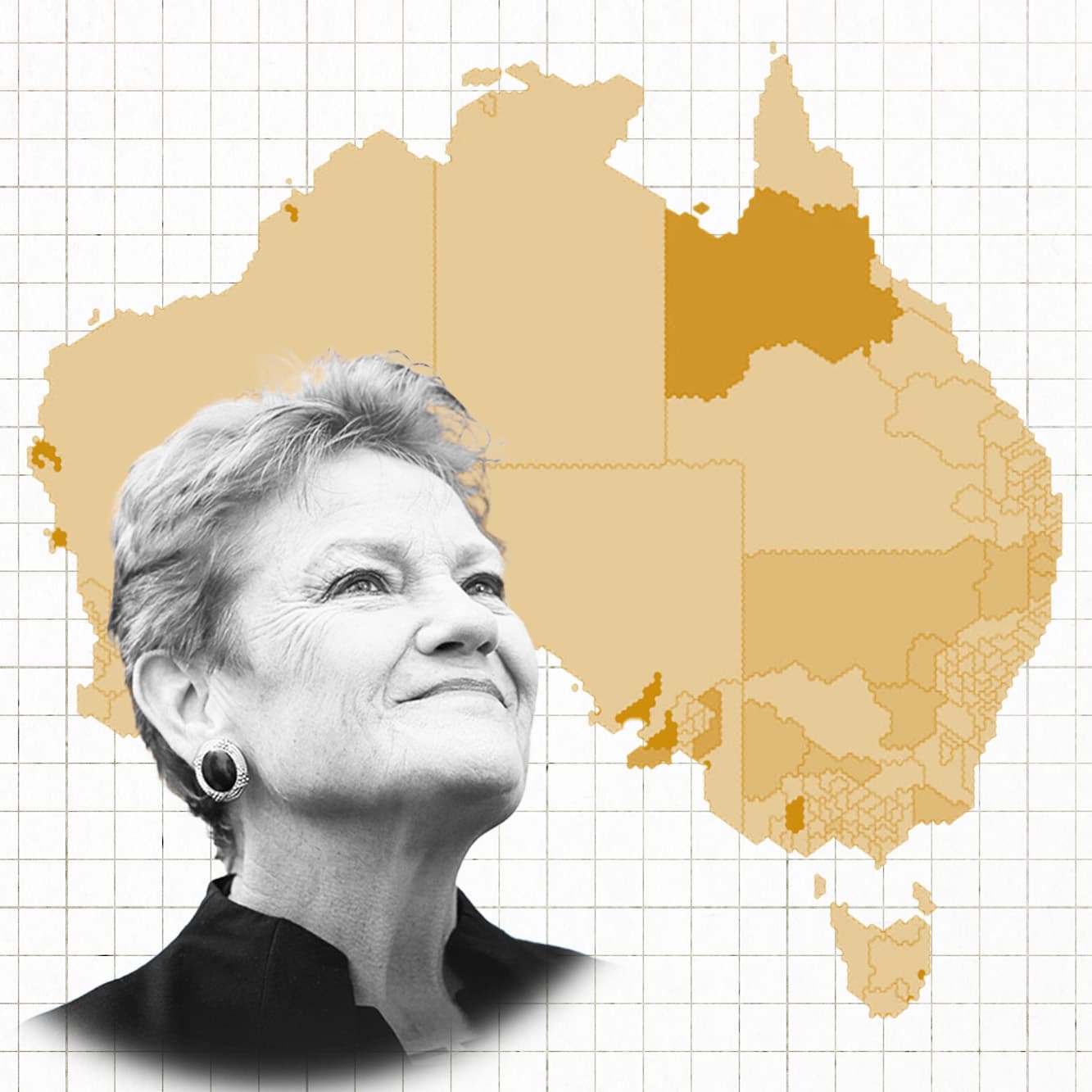
Democracy Sausage: The One Nation vote: a map of government neglect
Redbridge Group director Kos Samaras joins Mark and Marija to unpack the new Australian Resilience Index. It maps the financial, health and social resilience of communities across all 150 federal electorates.

Democracy Sausage: Not here to fix Labor
On this episode, Professor Mark Kenny and Dr Marija Taflaga look at what was behind the Greens' first truly competitive leadership contest. They discuss why personal relationships carry so much weight in a party room that could fit in a minivan, and whether the Greens are really just a privatised left faction of the ALP.

Democracy Sausage: The Alchemy of Leadership
Historian and biographer Paul Strangio joins Mark to dissect what makes — and breaks — an Australian prime minister, drawing on his newly shortlisted book The Alchemy of Leadership: Seven Australian Prime Ministers in a Turbulent Twenty-First Century.