
Low quality carbon offsets weakening global decarbonisation efforts
With world leaders set to gather in Brazil for COP30 in November, new analysis from an international team of climate policy experts warns that carbon offsets are creating a critical barrier to achieving the Paris Agreement’s temperature targets.
The authors of the Nature article, including Professors Andrew Macintosh and Don Butler from The Australian National University (ANU), argue policy makers need to act on the evidence and phase out offsets from government-run carbon pricing schemes.
“Achieving the Paris Agreement’s temperature targets requires rapid, deep cuts in greenhouse gas emissions. Carbon offsets – tradable credits from projects claiming to reduce or remove emissions – are impeding progress,” Professor Macintosh said.
“Offsets distract from the critical task of ending fossil fuel use. By allowing low-quality credits into carbon pricing schemes, governments jeopardise the benefits of carbon pricing and effectively allow private credit sellers to collect what should be public revenue.”
Currently, around 27 per cent of global emissions are covered by carbon pricing, but only 3.2 per cent face a carbon price above the minimum level (A$92) that research suggests is currently needed to limit warming to less than 2°C.
According to Professor Macintosh, Australia’s carbon pricing scheme – the Safeguard Mechanism – is being distorted by low-integrity Australian carbon credit units (ACCUs).
“Low-integrity credits from human-induced regeneration, avoided deforestation and landfill projects have helped suppress carbon prices, ensuring they have remained between A$26-A$43 since mid-2022,” he said.
“This is roughly one-third of the levels needed to align with the objectives of the Paris Agreement to keep warming below 2°C.
“Emissions from facilities covered by the Safeguard Mechanism have remained largely unchanged since the scheme started in 2016, partly due to the low carbon price.”
The authors call on policymakers to phase out offsets from carbon pricing schemes and set progressively rising caps that require facilities to pay government when unable to meet their obligations.
They also argue companies should focus on cutting their own emissions rather than relying on offsets.
Co-author Professor Johan Rockström, Director of the Potsdam Institute for Climate Impact Research at the University of Potsdam, Germany, said carbon offsets have “very little room” in a world that has all but consumed the remaining carbon budget to have a chance of limiting global warming to 1.5°C.
“Now the world needs to accelerate the phase-out of fossil fuels and invest in nature, simultaneously, not one or the other,” he said.
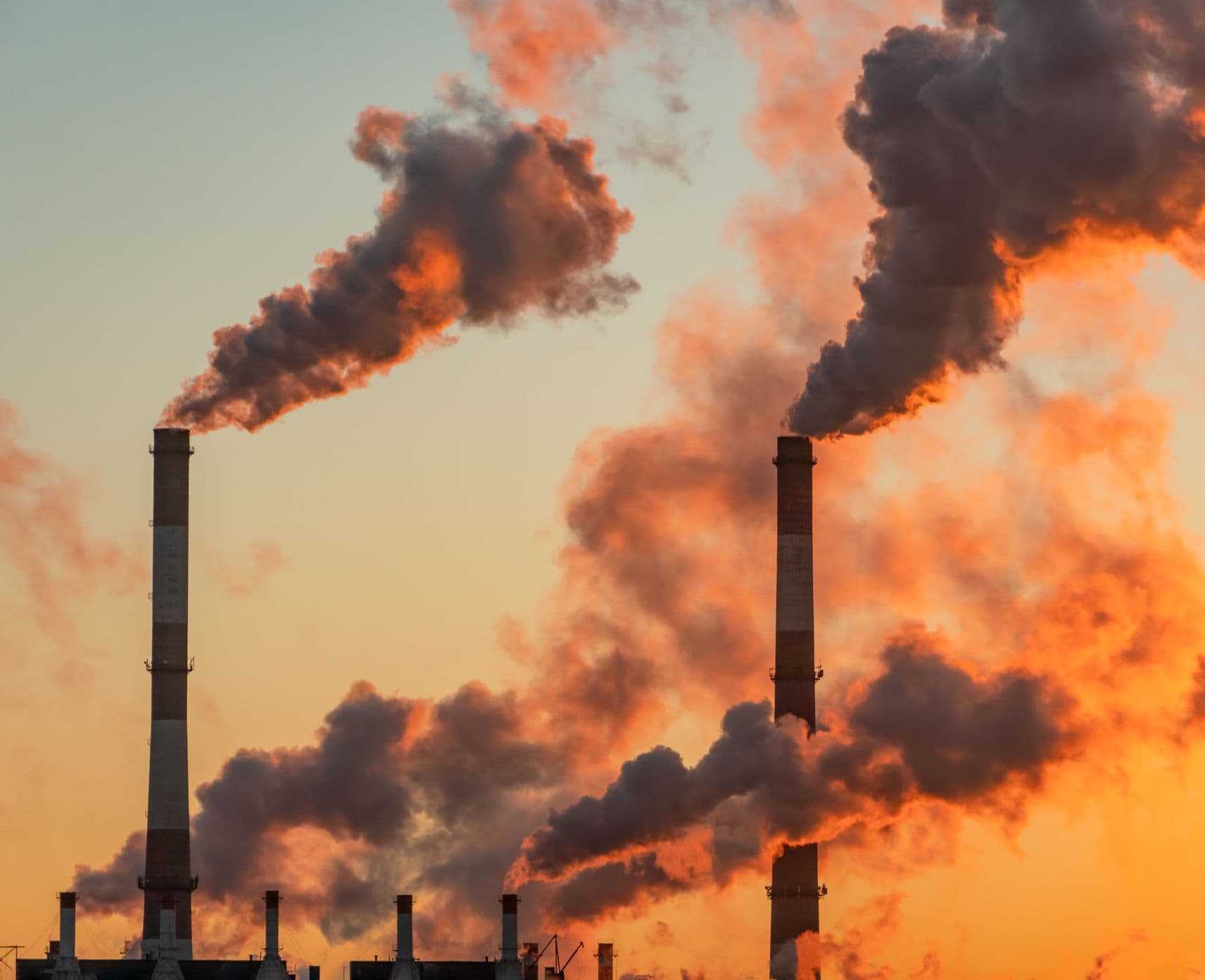
Top image: Leonid Sorokin/Shutterstock.com
Featured experts

Contact the media team
Related tags:
You may also like

Tiny atomic tweak makes plastic-eating enzymes more powerful
A new approach that changes just one atom in plastic-degrading enzymes could help make them more efficient while maintaining their stability, according to new research from The Australian National University (ANU).

Australia doesn’t need more gas to meet energy needs, research finds
Pumped hydro and battery storage can enable Australia to meet its energy needs without increasing the use of gas to fuel electricity plants, according to a new paper by researchers at The Australian National University (ANU).

Mapping the shadows: scientists predict the ‘hidden highways’ of Mexico’s illegal wildlife trade
Researchers have mapped the hidden routes of Mexico's illegal parrot trade, using almost 30 years of data to predict trafficking hotspots.