

Oldest evidence of mummification uncovered by ANU experts
The earliest known evidence of mummification has been uncovered by archaeologists at The Australian National University (ANU), with the remains from burials at sites across southeastern Asia dating back more than 10,000 years.
According to the researchers, it was common for ancient hunter-gatherer communities in China and Southeast Asia to honour the dead by folding and binding the body and hanging it over a smoky fire for a long period of time.

Co-author of the study Emeritus Professor Peter Bellwood said this “smoke-dried” mummification allowed the dead to be kept on view, potentially for years, in sheltered places such as dwellings, caves or rock shelters.
“This type of smoke-drying is, so far, the oldest demonstrated method of the intentional preservation of corpses that we have on record anywhere in the world,” Professor Bellwood said.
“The technique differs from what we know of methods used in arid climates such as Egypt, central Asia and the Andes where bodies could become desiccated naturally. This would not have been possible in Southeast Asian given the humid monsoonal climate.
The researchers used specialised lab techniques to identify traces of ancient smoking and burning on bones from 54 pre-neolithic burials found at 11 archaeological sites across southern China and Southeast Asia. Some of them were radiocarbon-dated, in one case in northern Vietnam to 14,000 years ago.
“We can learn much about the human past from the study of ancient skeletons,” Professor Bellwood said.
“All human societies, ancient and modern, have respected their beloved ancestors. So, it follows naturally to want to keep those ancestors around in some form after death, either through the creation of a tomb or as a mummified corpse—free, at least for a time, from any decay and corruption.”
The study’s lead author Dr Hsiao-chun Hung said similar methods of smoke-dried mummification were recorded amongst Indigenous communities in Australia and the New Guinea Highlands at the time of European contact.
“Burials found at Broadbeach in Queensland in the 1960s, for example, show striking similarities in their bundled postures. Ethnographic descriptions of binding align closely with the practices observed in our study,” she said.
“Our findings link ancient hunter-gatherer populations in Southeast Asia with more modern Indigenous communities in New Guinea and Australia,” she said.
“Archaeological evidence suggests this tradition of smoked mummification may have been known among hunter-gatherer societies across a vast region for many millennia—extending from northeastern Asia and Japan to western Oceania and Australia.” The study is published in the journal PNAS.
Top image: Dave Fanner/ANU
Contact the media team
You may also like
Ancient maritime voyagers carried symbolic art 4,000 years ago
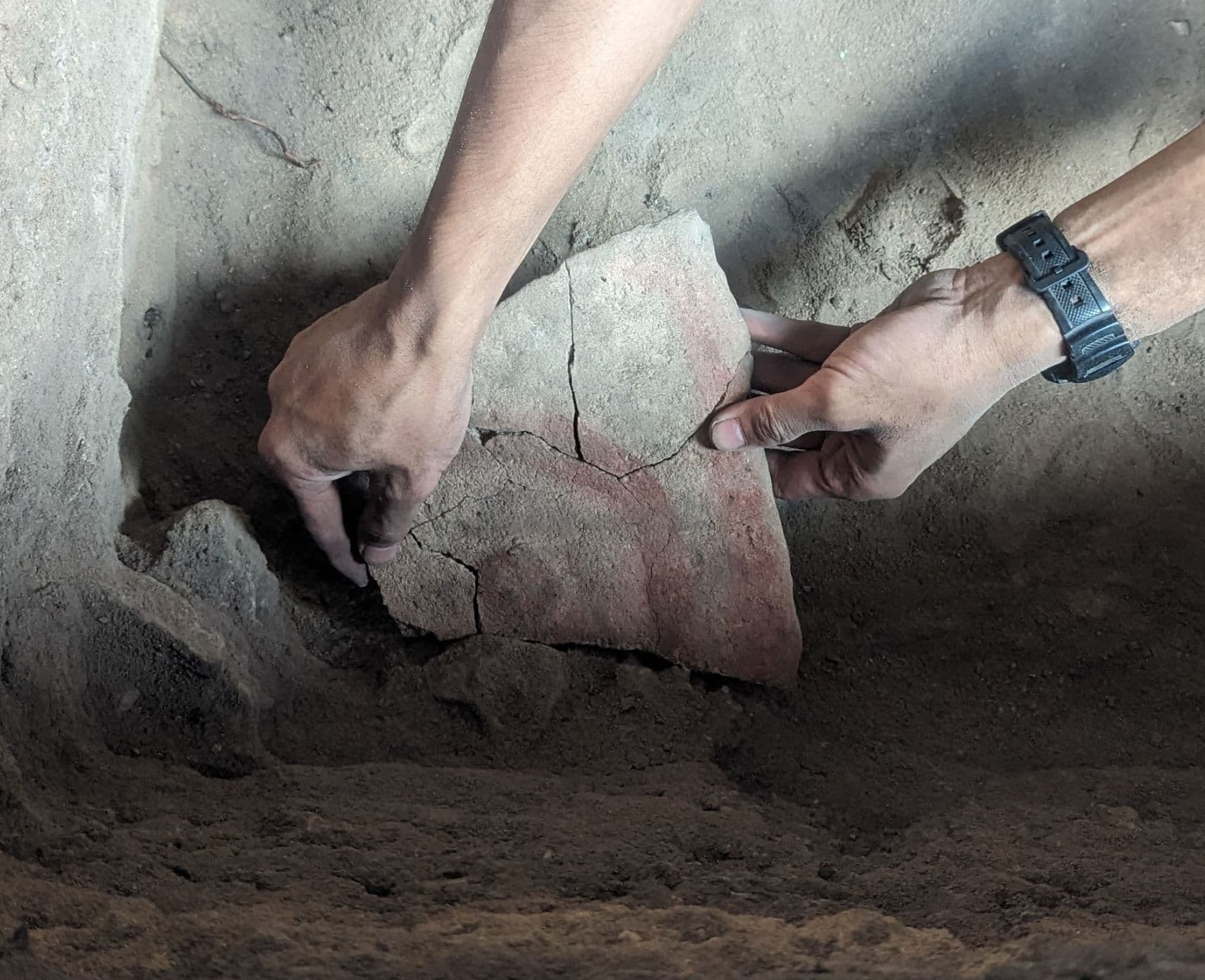
A 4,000-year-old painted stone plaque discovered on a remote Indonesian island is the first known example of portable art belonging to the Austronesian Painting Tradition (APT), providing a rare glimpse into the symbolic world of some of history’s greatest maritime voyagers.
Australian cave discovery shows grass was burned for magic, healing and cursing for 25,000 years
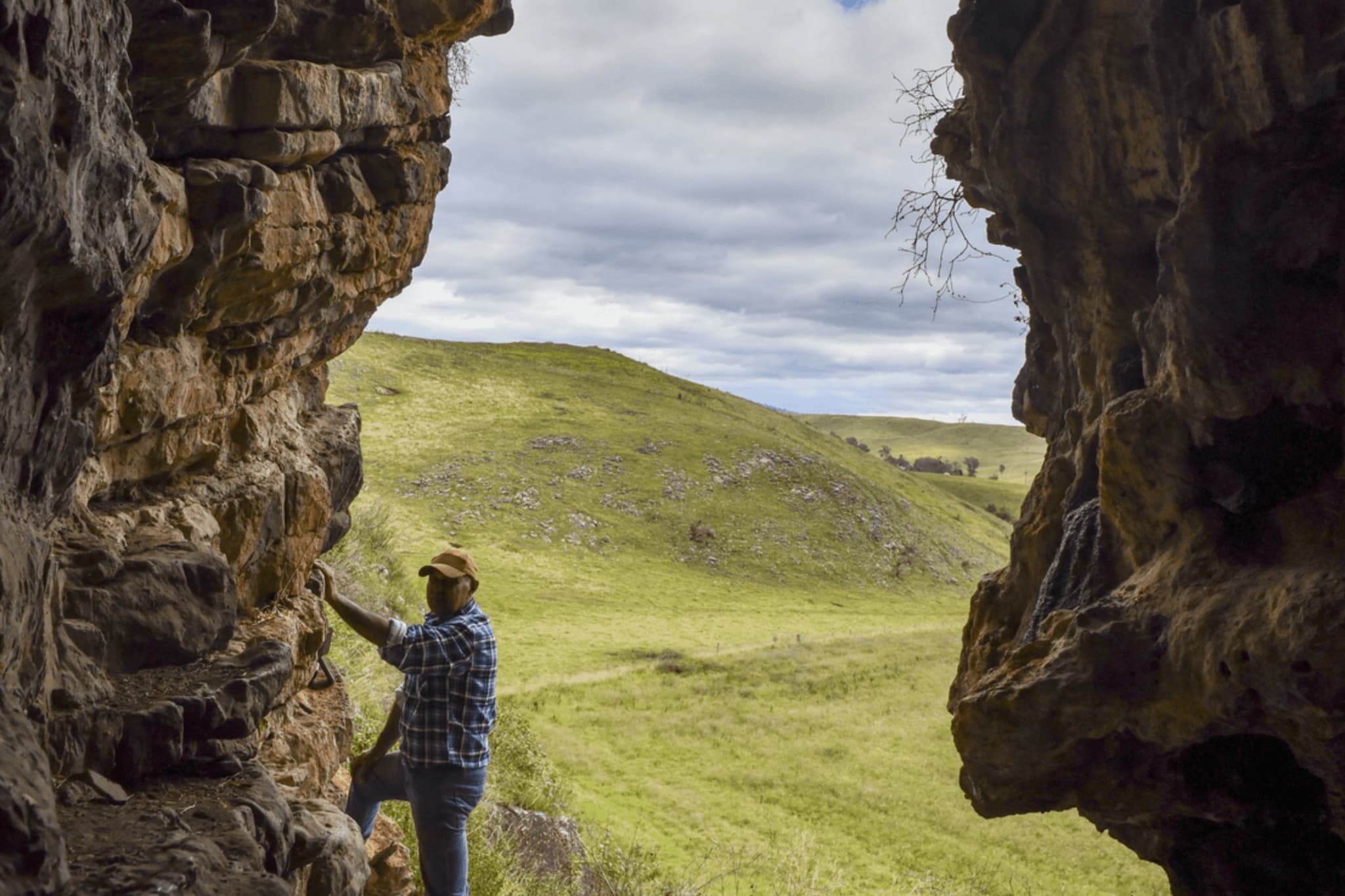
Perfectly preserved ‘phytolith’ plant crystals reveal that Indigenous Australians took grasses into a cave for ritual burning since last Ice Age.

The fuel crisis has hit the Pacific hard. The region is responding – but tough choices lie ahead
The fuel crisis poses a bigger challenge to Pacific Island countries than many other nations.