
Research to power up Australian solar cells
ANU researchers will help develop cheaper and more efficient solar cells, as well entirely new types, thanks to more than $3.2 million in Australian Government funding.
Five projects in the ANU College of Engineering and Computer Science have received funding from the Australian Renewable Energy Agency (ARENA).
Funding worth $15.14 million in total has been awarded to research teams from ANU, Macquarie University, University of Melbourne, University of New South Wales, University of Sydney and Swinburne University.
The projects will also tackle end of life issues for solar panels.
Minister for Energy and Emissions Reductions the Hon Angus Taylor MP said Australia’s solar photovoltaics sector does not have a sustainable solution for managing used solar panels at the end of their life.
“Solar power is playing an increasing role in Australia’s energy mix,” Minister Taylor said.
“Australia is a world leader in the renewable sector, with around one-in-four Australian households having installed solar panels.
“Managing used solar panels at the end of their life is an emerging issue and why the Government is backing Australian researchers to find ways to improve the efficiency and cost-effectiveness of solar PV technologies while also reducing waste.”
The ANU projects will research silicon solar cells, perovskite modules, and high-efficiency hybrid cells. One will examine how to take tech developed at ANU to the world.
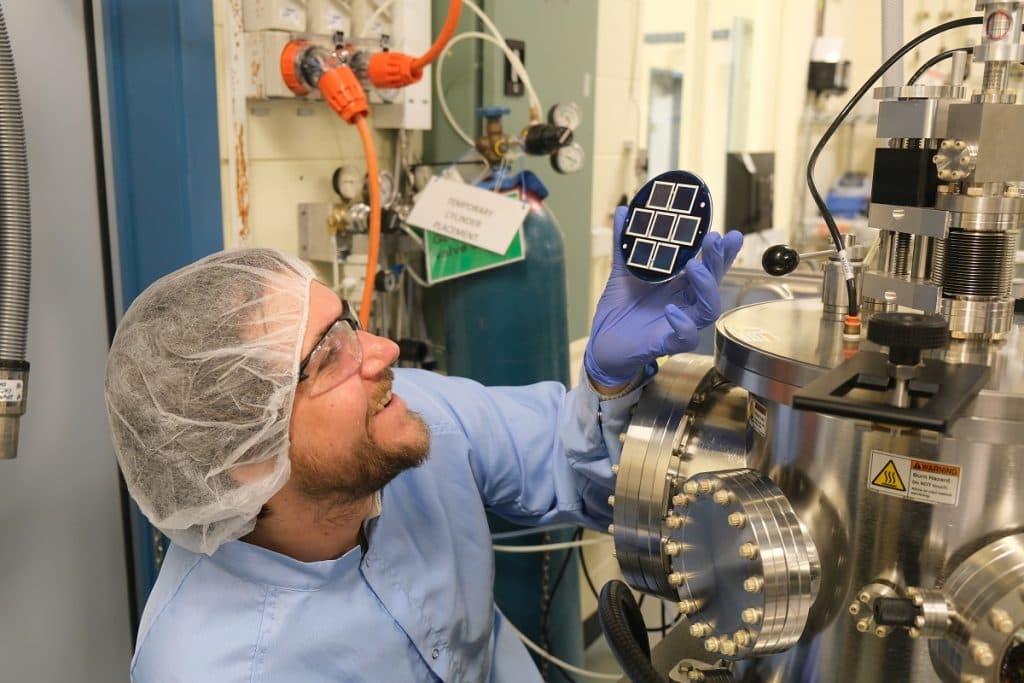
The ANU funding and projects include:
- $404,000 to Dr Josua Stuckelberger to commercialise an ANU-patented technology enabling simpler, safer and cheaper fabrication of next-generation silicon solar cells
- $455,000 to Dr Lachlan Black to simplify the processing of high-efficiency silicon solar cells
- $1.13 million to Professor Kylie Catchpole to develop innovative concepts and advanced designs for commercially-viable silicon-perovskite tandem solar cells
- $735,000 to Associate Professor Klaus Weber to improve the stability, durability and reliability of perovskite solar cells in shade and other real-world conditions; and
- $507,000 to Dr Teng Choon Kho to develop Heterocontact-Polysilicon Hybrid interdigitated back contact, or IBC, solar cells, which are potentially highly-efficient and currently under-utilised.
Dr Kean Fong and Associate Professor Thomas White from ANU are also involved in additional ARENA funded projects in collaboration with the University of Sydney and the University of Melbourne respectively.
Dr Stuckelberger said it has never been more important to invest in renewable technology.
“After the record bushfires here in Australia and now in California, it has become increasingly clear that we need to act on climate change. The question is not why is it important to fund renewable energy, but when do we really start to act and bring about real change,” he said.
His project aims to make a more efficient, low-cost silicon solar cell. Dr Stuckelberger said ARENA’s funding will go a long way in making this a reality.
“This funding enables us to take a proven Australian technology to global mass production,” he said.
ARENA received over 50 applications for the Solar Research and Development funding round, with all five applications submitted by ANU successful.
Related tags:
You may also like
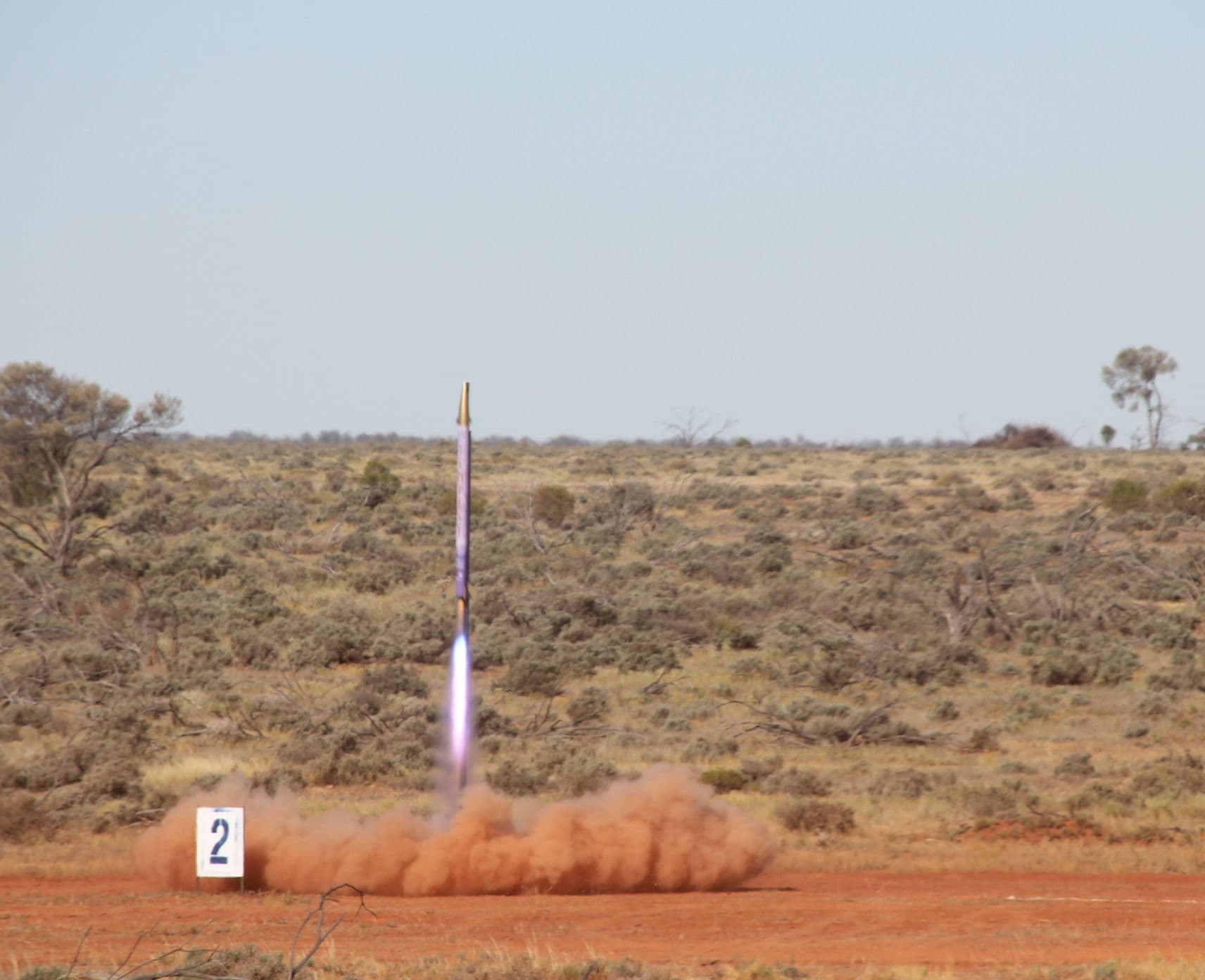
ANU Rocketry reaches new heights with national competition win
After months of design, testing and preparation, ANU students have soared to victory at the 2026 Australian Universities Rocket Competition.
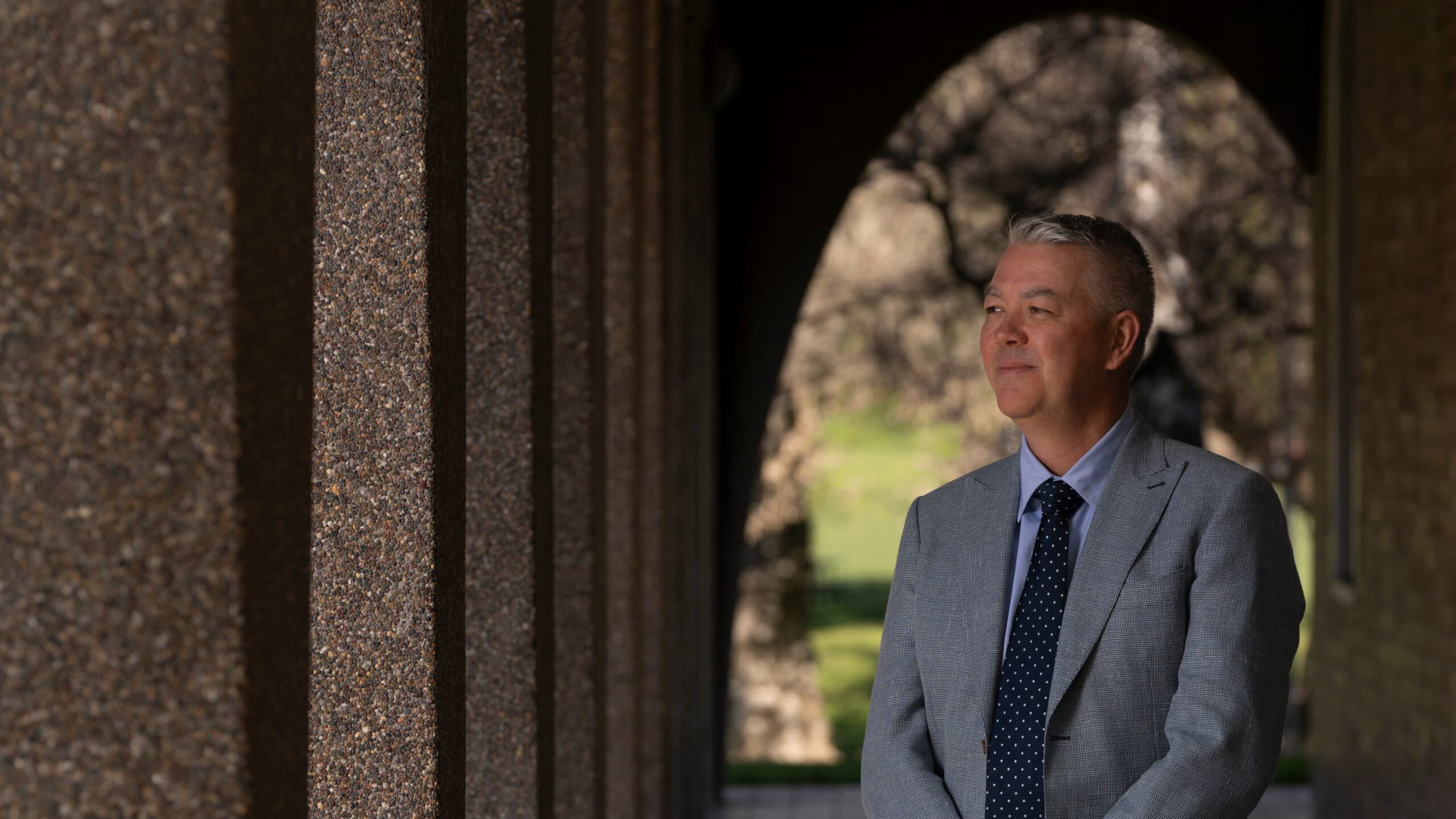
Tom Foley on stewardship, trust and the future of the ANU Library
As he steps into the role of University Librarian, Tom Foley reflects on the job he calls “an honour, a custodian role” and what makes a library worth trusting.
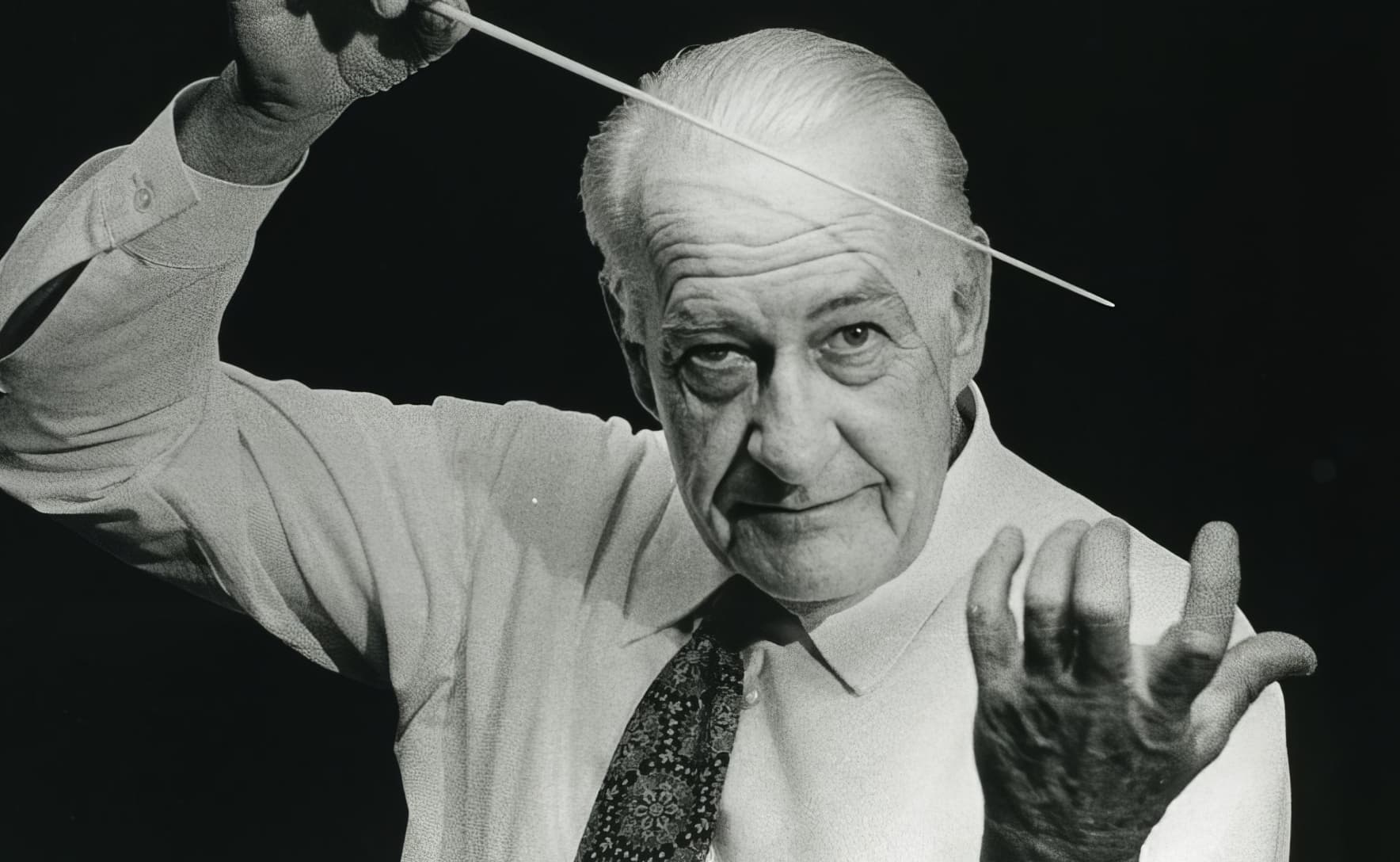
Remembering Ernie: the man behind Llewellyn Hall
As Llewellyn Hall marks its 50th anniversary, Emeritus Professor Larry Sitsky reflects on the musician and friend for whom the hall is named.