
This physicist wants every Australian to know that nuclear matters
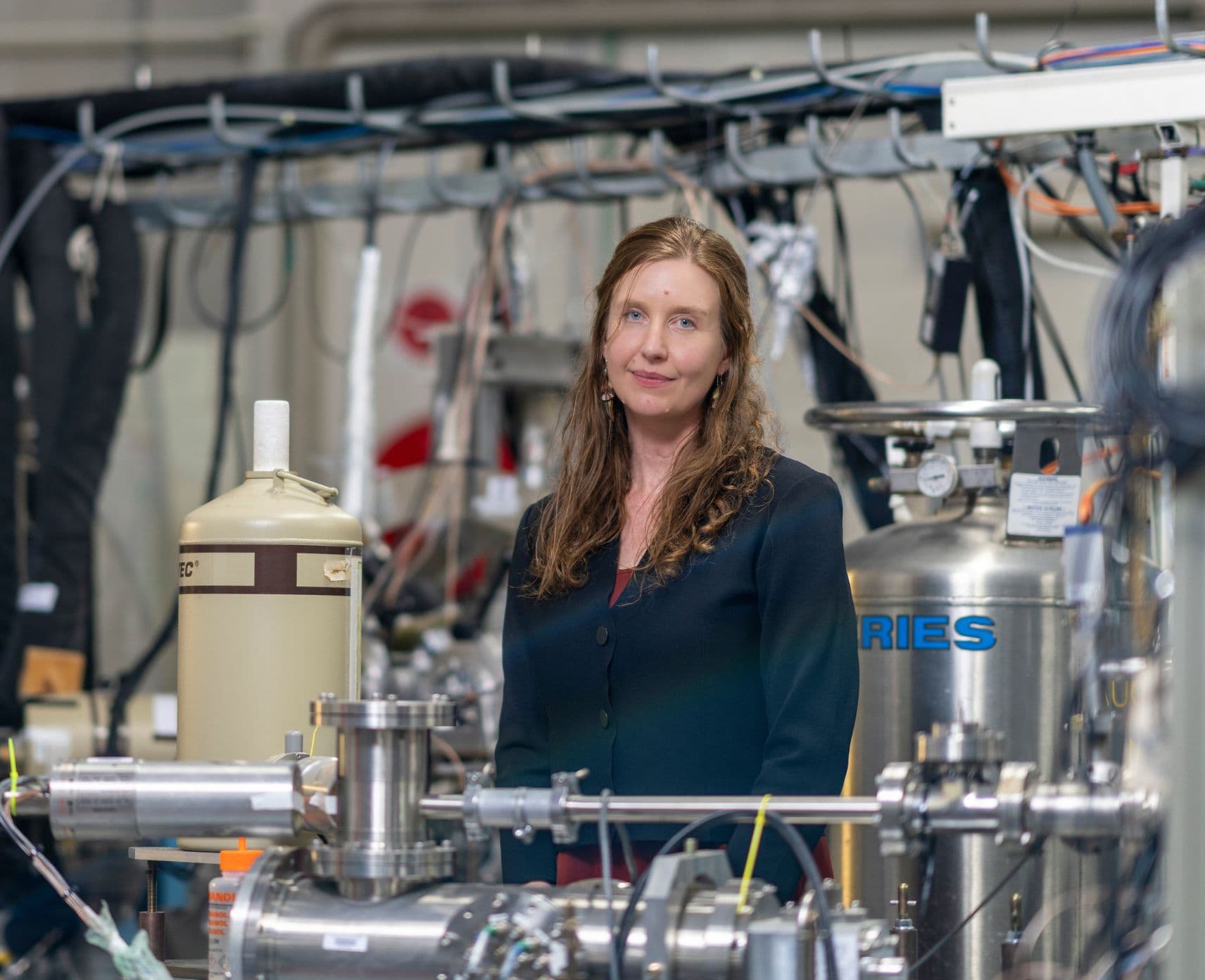
As Australia expands its ambitions in nuclear technologies, Associate Professor Elizabeth Williams says the country is grappling with a question that doesn’t have a simple answer.
Article by:

Kathryn Vukovljak
Contributing writer
“When working in nuclear science and engineering, we need to think about how to harness the enormous benefits these technologies offer – in medicine, in energy, in research – while also being clear-eyed about the responsibilities they carry,” Associate Professor Elizabeth Williams says.
“That’s not a problem to solve. It’s a balance to keep working at.”
In terms of for or against nuclear, Williams is an advocate for understanding its many dimensions. As the new Interim Director of the ANU Nuclear Stewardship Network (NSN), her work has been building the expertise, the institutions and the public trust that would mean Australia can make that decision on solid ground.
As a teenager in the US, Williams would read Cold War histories, especially the ethical questions behind nuclear decision-making.
“I was fascinated by how choices made by various nations and scientists played out,” she says.
“The complexity of those decisions has stayed with me and led me into this field.”
Williams studied physics at Yale, where alongside her degree she wrote for the Yale Daily News. Science communication is still something she’s passionate about, and she now hosts the “Nuclear Matters” podcast which makes conversations about nuclear science, technology and policy accessible to people outside the nuclear space.
Having trained as a nuclear physicist, she came to ANU for a doctoral experiment and later joined the ANU Research School of Physics. She served as an ARC DECRA Fellow, working on nuclear reactions, and moved to the School of Cybernetics, working on AI in safety-critical contexts.
When she learned ANU was thinking of standing up a new nuclear major as part of their systems engineering offering, she volunteered to lead that work and now leads the nuclear discipline in the School of Engineering. It was the start of her deeper involvement in a community that would grow to become the ANU Nuclear Stewardship Network.
For Williams, the link back to nuclear science felt like a natural extension of the same core questions she had always been thinking about.
“The thread is always the same: how do you make good decisions about something when you can’t anticipate the consequences in advance?” she said.

Nuclear’s moment
Through AUKUS, Australia has committed for the first time in its history to conventionally armed nuclear-powered submarines. The workforce, regulatory systems and institutional knowledge to support this are still being built.
For Williams, this places Australia in a much broader context.
“Australia is involved in the entire nuclear fuel cycle – from mining all the way to waste,” she said. “AUKUS grows our commitment to doing that – and doing it well. We need to understand our role internationally and domestically in managing that and managing it well.”
The ANU Nuclear Stewardship Network (NSN) – built over years of collaboration across the ANU – is part of that answer. Williams now leads it as Interim Director.
“Australia’s nuclear needs don’t sit neatly inside any single discipline. They span physics, chemistry, engineering, biology, ecology, policy, law, regulation and governance, psychology, sociology, computing and Indigenous studies,” she said.
This includes reckoning with Australia’s own nuclear history, including the legacies of uranium mining and weapons testing on Country and their ongoing significance for First Nations communities.
“ANU is one of the few places in the country where genuine expertise across all those fields exists under one roof. The NSN makes that proximity count.”
The educational offerings that have emerged under the Network focus on everything from nuclear systems engineering to safeguards and security – the latter developed with the Australian Safeguards and Non-Proliferation Office.
“These programs are a direct response to a workforce gap that, if left unfilled, will constrain every decision Australia tries to make in this space,” she said.
The NSN also coordinates ANREN (Australian Nuclear Research and Education Network), which represents 11 universities and functions as a connective layer for the tertiary sector: supporting early career researchers, sharing expertise across institutions and ensuring reliable voices are available when the public conversation demands them.
The long game
Williams says the harder conversations in this field are about trust.
“The word nuclear means many things to many people,” she said.
“Its darkest associations are bound up in Australia’s own history – the legacy of testing on Country, and what that has meant for First Nations communities. For others, it’s a cure for cancer or a longer life. What it means depends on what communities you’re part of, how old you are, what you grew up with, and what you have experienced.”
Williams said that Australia’s neighbours are increasingly thinking about nuclear energy pathways of their own, and that Australia’s long record in non-proliferation gives it a credible voice in those conversations. Williams says that’s an opportunity, but only if the capacity and capability is there to meet it.
“We first need to ensure Australia will have the expertise, the institutions, and the public understanding to make that choice, whatever it turns out to be,” Williams said.
“We will be in a much better place if we can inform our decisions on expertise, on evidence, on that deep understanding of these technologies. But it takes a long time to develop a workforce suitably equipped to support that.”
“The decisions we make today will affect this country for generations.”
Top image: Associate Professor Elizabeth Williams. Photo: Jamie Kidston/ANU
You may also like
ANU Rocketry reaches new heights with national competition win
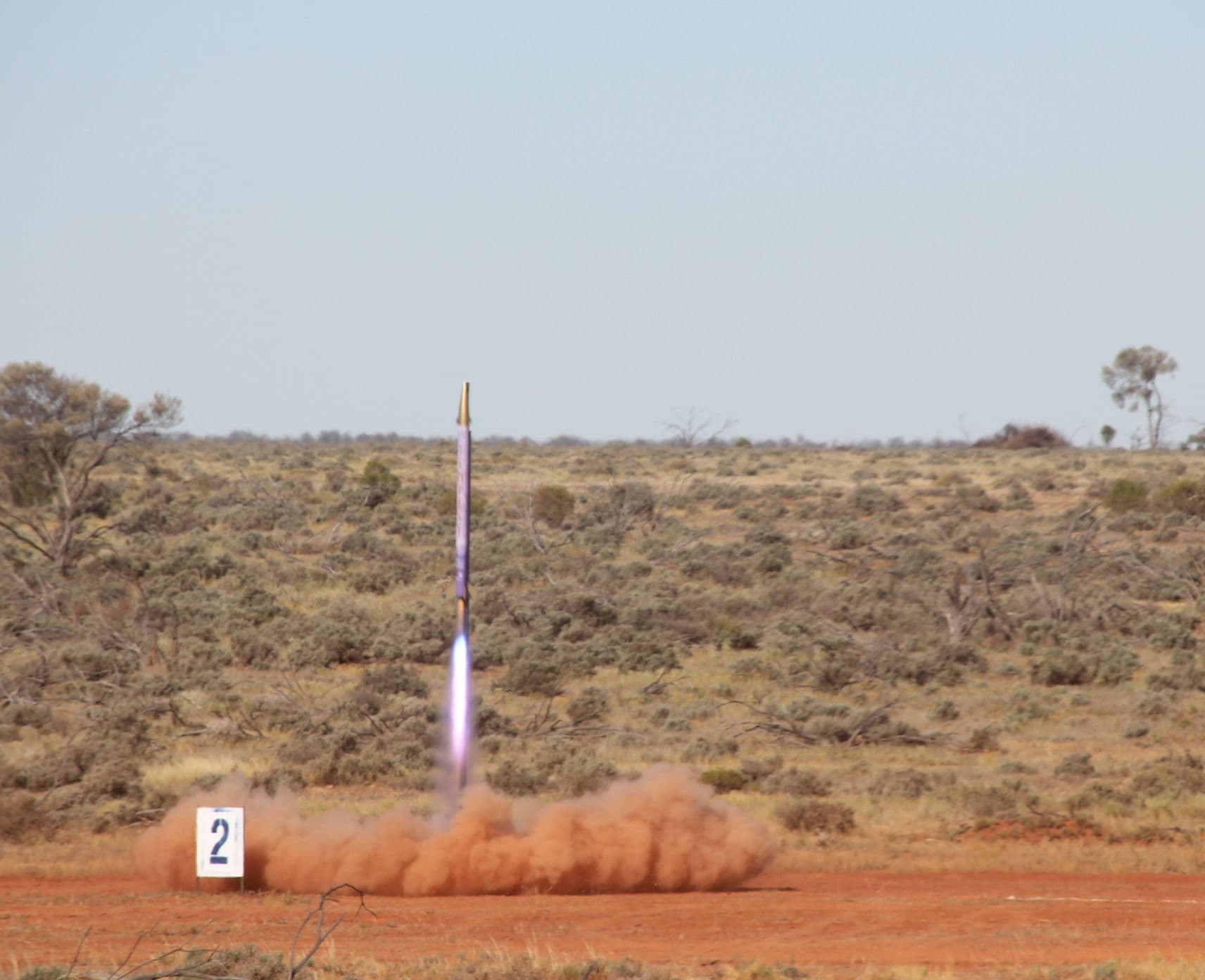
After months of design, testing and preparation, ANU students have soared to victory at the 2026 Australian Universities Rocket Competition.
Codebreakers tackle cancer drug resistance with machine learning
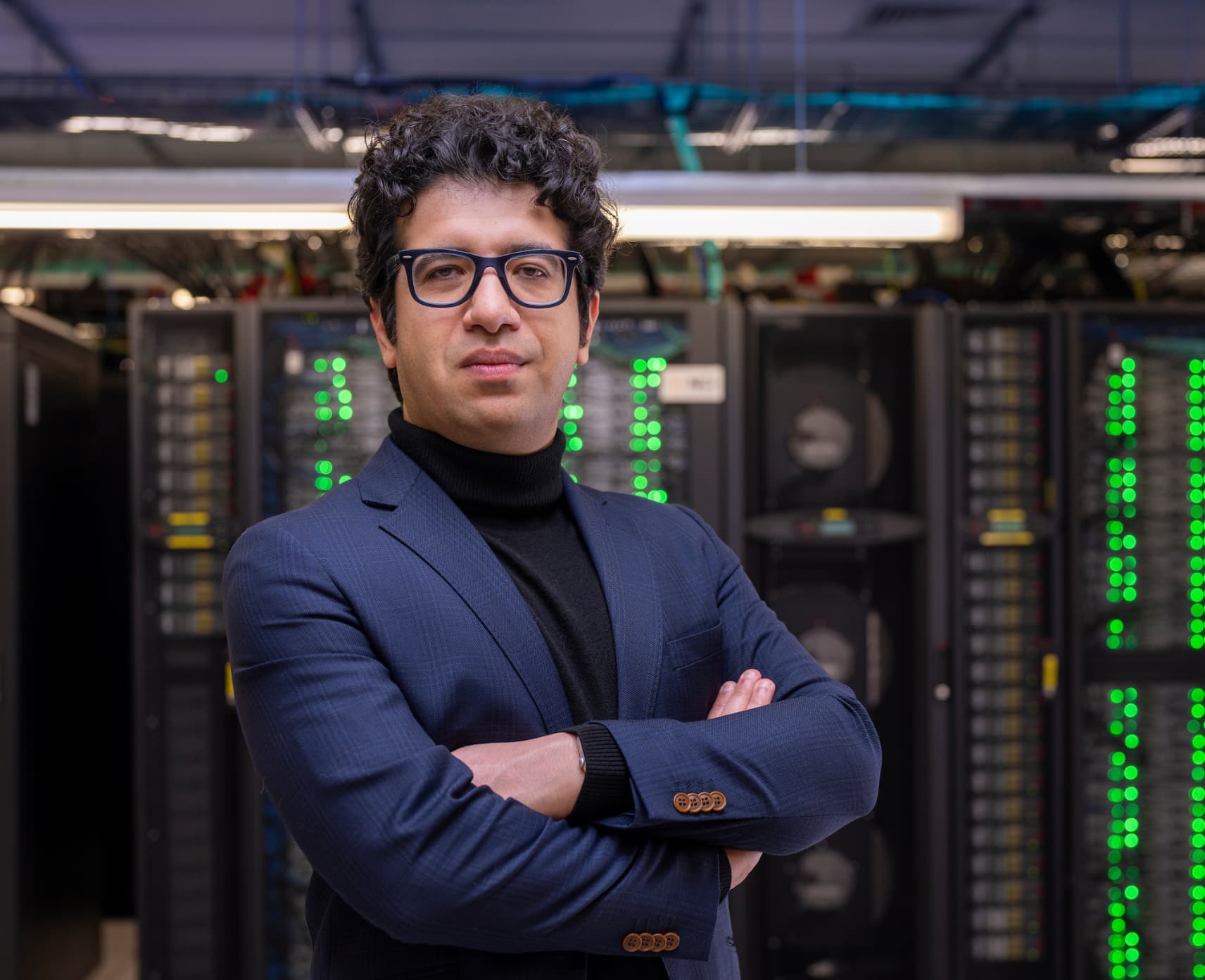
Dr Eli Niktab is building a genome atlas to tackle chemotherapy resistance – and is attracting significant global funding.
Ultra-precise ANU coatings help power the next generation of gravitational wave detectors
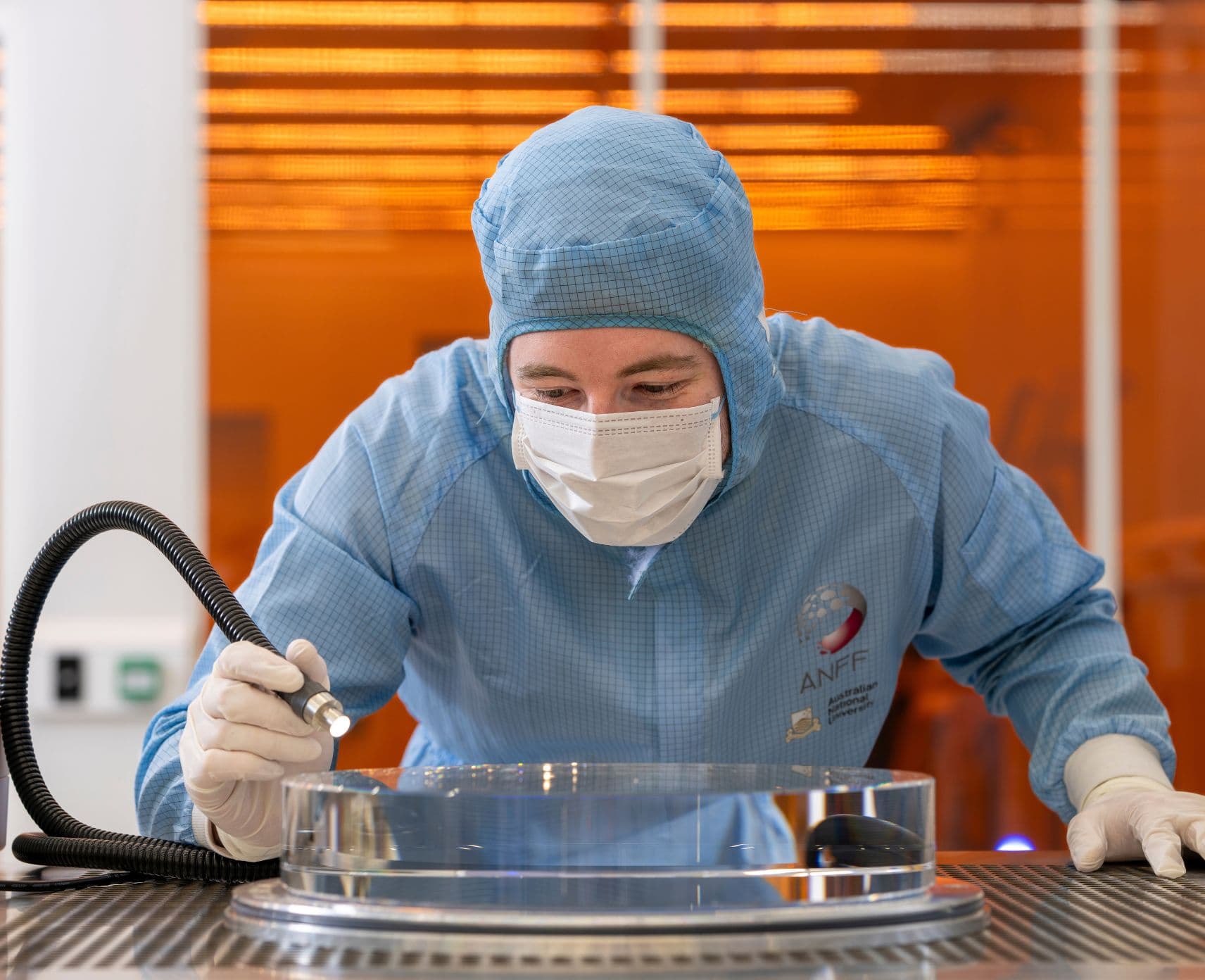
ANU researchers have developed ultra-precise optical coatings for LIGO’s specialised beamsplitters, helping improve the observatory’s ability to detect faint gravitational waves from across the universe.