
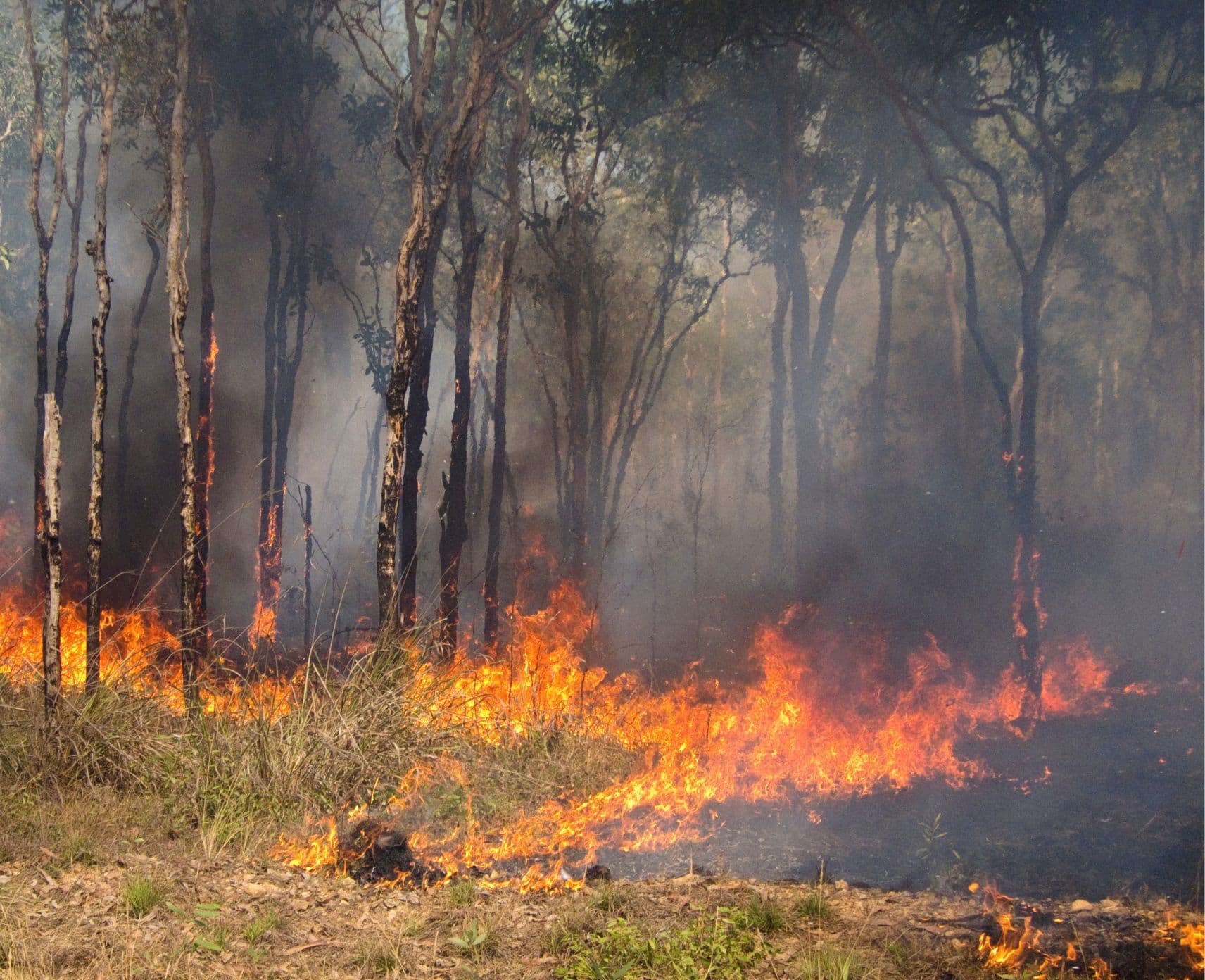
Water cycle instability drove global water-related disasters in 2025
Ongoing shifts in the global water cycle amplified floods, droughts and heat extremes in 2025, according to a new report involving an international team of researchers, led by The Australian National University (ANU).
The 2025 Global Water Monitor Report demonstrates continued warming is altering how water moves, is stored and is exchanged between the atmosphere, land and oceans, with significant consequences for societies and ecosystems.
Led by Professor Albert van Dijk from the Fenner School of Environment and Society, the Report revealed water-related disasters in 2025 caused nearly 5,000 deaths, displaced around 8 million people, and resulted in economic losses exceeding US$360 billion globally.
Losses arose from floods, tropical cyclones, droughts and wildfires, which interact and cascade through water, food and energy systems.
“Changes to the water cycle are influencing the timing and location of disasters,” Professor van Dijk said.
“In 2025, floods, droughts and heat-related hazards repeatedly hit the same regions in quick succession, amplifying their combined impacts.”
Rapid swings between wet and dry extremes, sometimes referred to as climate whiplash, are placing unprecedented strain on water systems, ecosystems and infrastructure, worsening the overall impact of climate-related events.
This pattern was recently observed in Spain and Portugal, where a wet spring drove strong plant growth before a sudden heatwave and flash drought that rapidly dried soils and fuels, contributing to severe wildfires.
“The Report documents how changes in atmospheric moisture, soil and groundwater conditions, river flows and surface water extent were closely associated with many of the year’s most damaging climate disasters,” Professor van Dijk said.
Global temperatures over land were only slightly lower than record year 2024, with the last three years ranking the hottest three on record, in line with rapid warming.
“Extreme heat remained a major driver of impacts during the year, as the number of hot days continued to increase globally, raising exposure to hazardous conditions,” Professor van Dijk said.
In Europe, prolonged summer heatwaves were linked to large numbers of heat-related deaths, while the hot and dry conditions contributed to many wildfire outbreaks.
“The close link between warming and the water cycle was evident in 2025, as growing instability saw unprecedented glacial lakes bursting their banks in the Himalayas following warm weather,” Professor van Dijk said.
“A major tropical cyclone near the equator in Indonesia further highlighted that water-related hazards are emerging in regions where they were once rare.”
Flooding also caused widespread disruption in 2025. Globally, river flows and surface water extent were above long-term averages, with record-high flows recorded in several regions.
South and Southeast Asia experienced extensive flooding linked to monsoon rainfall and tropical cyclones.
While some regions experienced repeated flooding, others faced persistent or rapidly emerging dryness, including Somalia in the Horn of Africa.
“In several cases, soil moisture and terrestrial water storage declined sharply over short periods — conditions consistent with so-called flash drought, where drought develops rapidly due to high temperatures, low humidity and reduced rainfall,” Professor van Dijk said.
“Several major disasters showed clear signals of climate change influence, with warmer atmospheric and ocean conditions contributing to heavier rainfall, stronger storms and more intense heat during floods, cyclones and wildfire events.”
The Report highlights the importance of preparedness, such as early-warning systems and evacuation planning, in determining disaster impacts even as hazards increase.
“The impact of a disaster depends on how well-prepared society is to manage them,” Professor van Dijk said.
“In 2025, preparedness saved many lives, but there were failures and the fast-changing planet keeps throwing new surprises at us.”
Conditions at the close of 2025 suggest an increased drought risk for 2026 in parts of the Mediterranean, the Horn of Africa, Brazil and Central Asia. At the same time, flood risks are projected to be above average in the Sahel, southern Africa, northern Australia and much of Asia.
The Global Water Monitor provides free, rapid, global information on climate and water resources, using data from thousands of ground stations and Earth-observing satellites to track rainfall, temperature, soil moisture, river flows, flooding and water storage.
The 2025 Report is available on the Global Water Monitor website.
Top image: Bushfire in Kakadu National Park, Australia. Photo: Uwe/stock.adobe.com

Contact the media team
You may also like
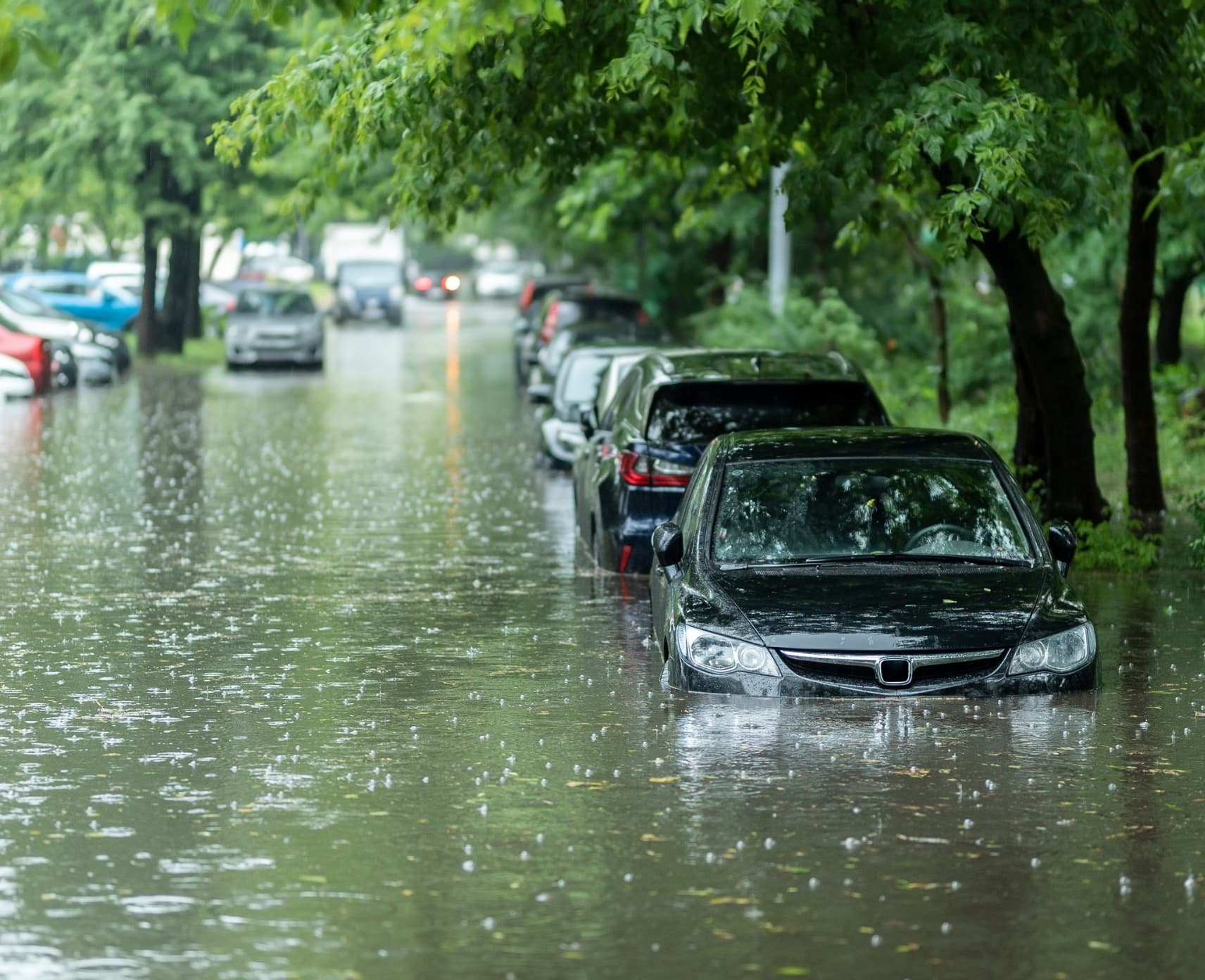
Climate extremes in 2024 ‘wreaking havoc’ on the global water cycle
2024 was another year of record-breaking temperatures, driving the global water cycle to new climate extremes.
Australia should invest in new environmental monitoring systems: ANU expert
A new report led by ANU examines 25 years of changes to Australia's environment and biodiversity.

Tiny atomic tweak makes plastic-eating enzymes more powerful
A new approach that changes just one atom in plastic-degrading enzymes could help make them more efficient while maintaining their stability, according to new research from The Australian National University (ANU).