

Democracy Sausage: Safety nets below and a roof above
Political scientists Mark Riboldi and Pandanus Petter join Democracy Sausage to discuss housing policy, safety nets and the fair go.
How do politicians talk about housing, and does it impact policy?
Who are the villains (or scapegoats) in the Australian housing narrative?
And what does living with dignity mean in our current society; is it universal basic income?
On this episode of Democracy Sausage, Dr Mark Riboldi and Dr Pandanus Petter join Dr Marija Taflaga to discuss housing and social policy.
Mark Riboldi is a Lecturer at the Business School at the University of Technolgy Sydney (UTS). Mark has previously worked as a media and policy adviser in NSW Parliament, an advocacy and communications manager at Community Legal Centres NSW, and as the collaborative research and policy manager at the Sydney Policy Lab.
Pandanus Petter is Postdoctoral Research Fellow at the ANU School of Politics & International Relations.
Marija Taflaga is the Director of the ANU Australian Politics Studies Centre and a Senior Lecturer at the ANU School of Politics and International Relations.
Democracy Sausage with Mark Kenny is available on Apple Podcasts, Spotify, Pocket Casts, Google Podcasts or wherever you get your podcasts. We’d love to hear your feedback on this series, so send in your questions, comments or suggestions for future episodes to democracysausage@anu.edu.au.
Top image: Aerial shot of suburban Australia. Photo: Taras Vyshnya/adobe.stock.com
You may also like

Democracy Sausage: Midterm reckoning: Trump, Texas and a test for democracy
Mark Kenny and Dr Marija Taflaga are joined by the United States Studies Centre's Bruce Wolpe as they reflect on the attack on the Member for Indi and the US midterms.
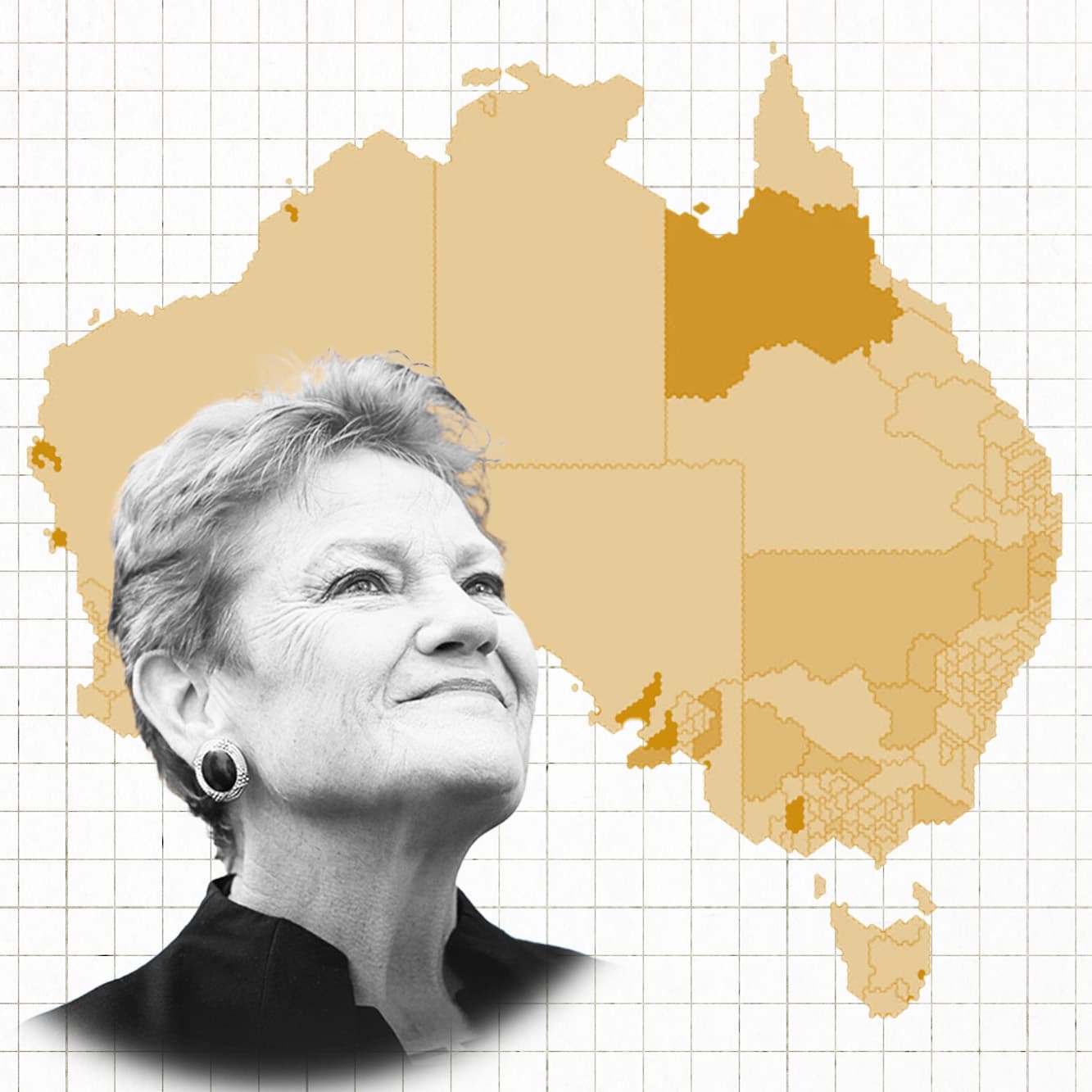
Democracy Sausage: The One Nation vote: a map of government neglect
Redbridge Group director Kos Samaras joins Mark and Marija to unpack the new Australian Resilience Index. It maps the financial, health and social resilience of communities across all 150 federal electorates.

Democracy Sausage: Not here to fix Labor
On this episode, Professor Mark Kenny and Dr Marija Taflaga look at what was behind the Greens' first truly competitive leadership contest. They discuss why personal relationships carry so much weight in a party room that could fit in a minivan, and whether the Greens are really just a privatised left faction of the ALP.