
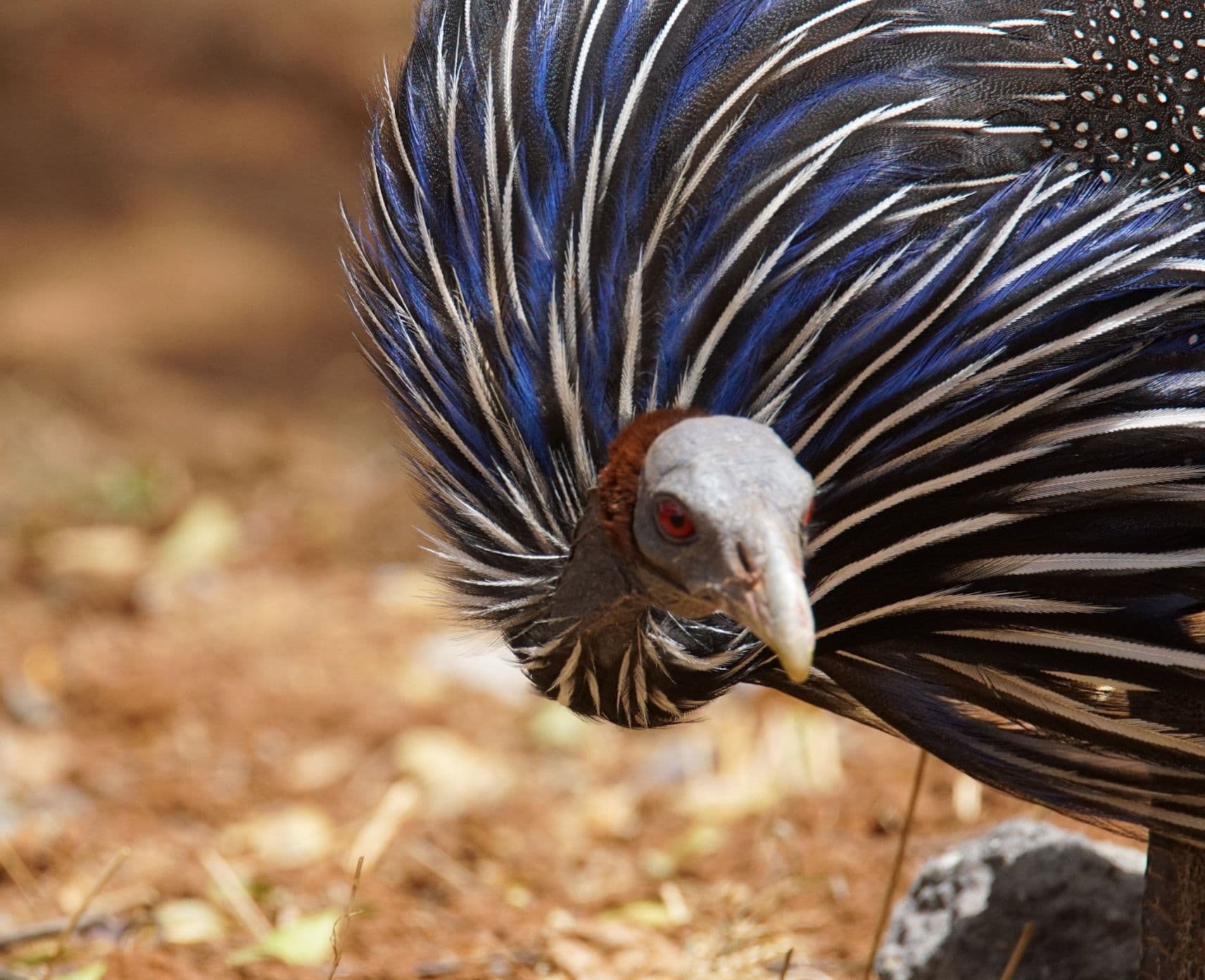
Leading the way comes at a cost for feathered friends
Like humans, animals can become stressed when trying to lead a group of peers in a particular direction, a new study from The Australian National University (ANU) shows.
According to study co-author Associate Professor Damien Farine, many animal groups make decisions in a very democratic way, taking a “majority rules” approach.
While effective, it can also take a toll.
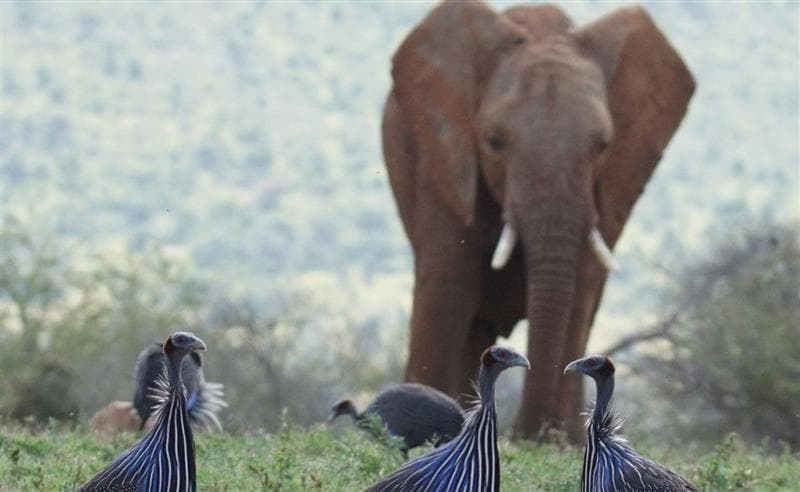
“We already have evidence of how this decision-making can work – it’s like a voting process. So, individuals might start to move away from the group in the direction they want to go to find food and if they get enough support, the group follows. Alternatively, if no one follows then they fail and return to the group,” Associate Professor Farine said.
“The strongest predictor of the direction the group will eventually take is the option with the greatest number of votes.
“Some individuals lead more than others, while some follow more. We were interested in the consequences of this process.”
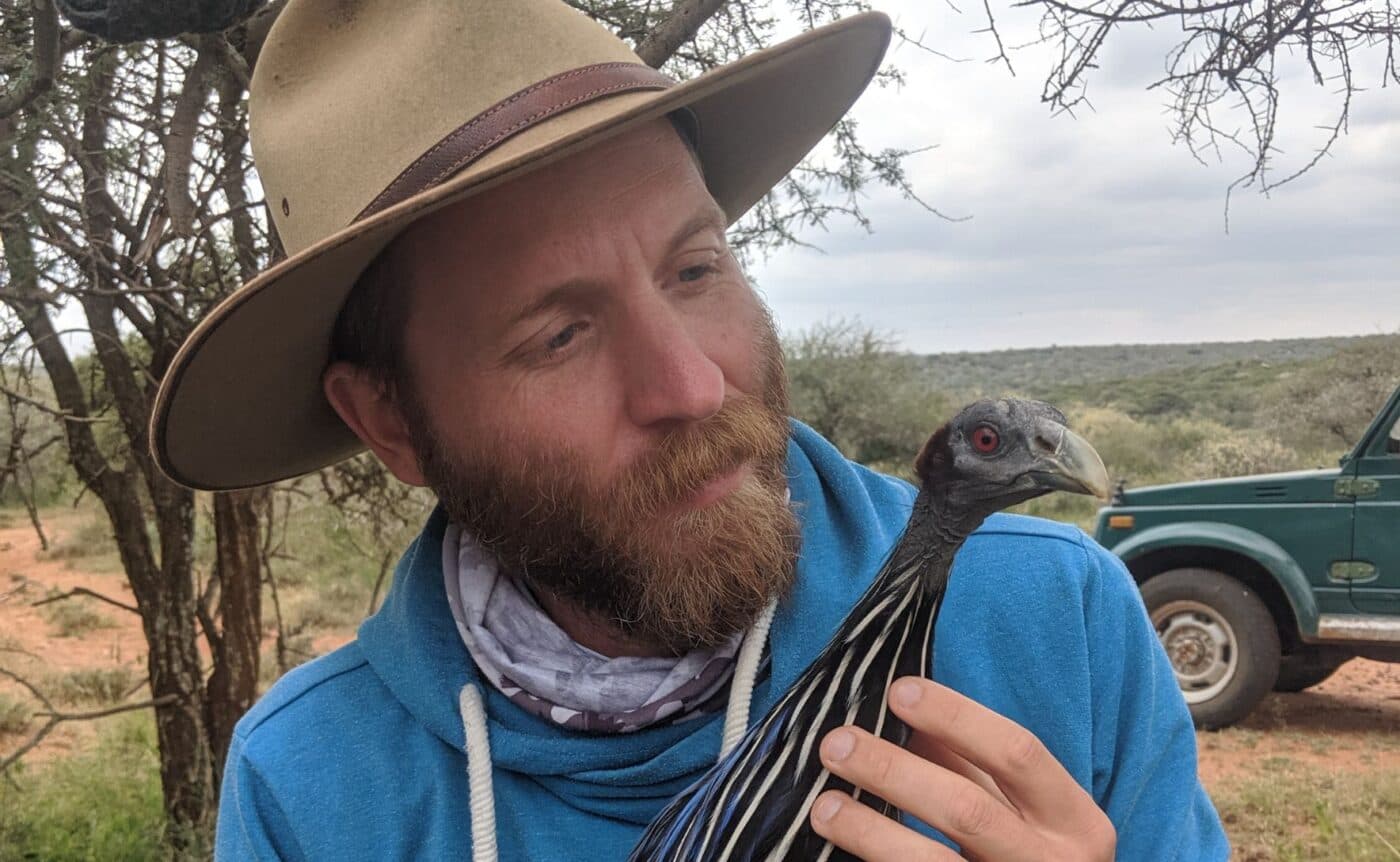
The researchers tracked a group of wild guineafowl in Kenya over a period of four months using heart rate monitors and GPS tracking devices.
The guineafowl experienced the highest heart rate when trying to lead their group by initiating movements, especially when trying to do so against the majority of their group members.
“It is noticeable when they’re trying to do something that very few individuals in their group would want to do. They also experience a much higher heart rate when they fail to lead in these situations,” co-author Dr James Klarevas-Irby said.
“We also found that just moving as part of a group had a noticeable impact on the heart rate of the birds, which was much higher than when they were moving on their own.
“Most of us can relate – it’s like when you’re with a bunch of friends and you’re trying to decide where to go for dinner, and you really want to go to a particular restaurant but most of your friends want to go somewhere else.
“While initiating and leadership are beneficial in theory for animals like the guineafowl, because if they succeed, they get to go to the ’restaurant’ of their choice, if they find themselves in the minority, it comes at a substantial cost.”
The study is published in Current Biology.
Top image: Dr James Klarevas-Irby/ANU
Contact the media team
Related tags:
You may also like
Bake your PhD: Can you have your doctorate and eat it too?
The tastiest annual tradition has returned in 2026.

We need to chat to our kids about AI chatbots
AI is changing childhood. ANU researchers are talking to children aged 9–12 to understand how AI chatbots affect their wellbeing and friendships.

The universe is full of strange ‘little red dots’. A new study shines light on their real nature
Scientists have found potential evidence of the earliest supermassive black holes. They could hold clues to how stars and galaxies formed in the earliest years of the universe.