
Shining new light on the secret world of cell-to-cell communication
A new nanoscopy technique developed at ANU has uncovered hidden networks used for communication between cells, opening new ways to understand human diseases.
Article by:

Amanda Cox
Contributing writer
A new nanoscopy technique developed at The Australian National University (ANU) has uncovered hidden networks used for communication between cells, opening new ways to understand human diseases.
Published in Nature Communications, the breakthrough allows researchers to observe how living cells interact with their environment over several days, revealing three-dimensional behaviours that were previously invisible to conventional microscopes.
“Using gentle, label-free imaging means we can finally witness the secret, dynamic life of cells in real time and 3D,” says the senior investigator, Dr Steve Lee from The John Curtin School of Medical Research (JCSMR).
“The technique allows for faster and more accurate breakthroughs in how we understand and treat human disease at the nanoscale.”
The team used the new method, called RO-iSCAT, to observe thin, thread-like nanoscale extensions from cells. The team uses nanoscopy to produce exceptionally high-resolution imaging, allowing them to view structures that are not visible with conventional microscopy.
Over days of continuous imaging, these structures were seen extending, retracting and reconnecting, forming intricate networks that transfer biochemical messages to neighbouring cells.
Lead author and PhD researcher Junyu Liu helped develop the new technique by rotating the angle of light illuminating the sample and combining images at different heights.
“Under rotational illumination, the background noise is stripped away, revealing various nanoscale cellular structures in three dimensions,” says Mr Liu.
“I still remember showing the first video to everyone. My supervisor Steve immediately recognised that this was something new.”

The team began experimenting with how this three-dimensional tracking technique can measure the often elusive, thread-like cellular extensions, which are critical for almost all cellular signalling, communication, and movement.
“Our technique boosts a nearly undetectable amount of light signal bouncing off living cells by tenfold in real time,” explains Dr Lee.
“It’s incredible that this technique doesn’t require the use of chemical dyes, or ‘labels’, that are ubiquitous in nanoscopes but can be toxic to the very cells they are studying due to phototoxicity.” For senior imaging scientist Dr Daniel Lim, the ability to watch these thin, thread-like tubes extend from cells and connect with each other in real time was a breakthrough.
“It was like watching the most fascinating short film for me,” says Dr Lim. “Every time you watch it, you see something new or interesting that raises more questions.”
Their footage revealed that these connections are not as static as previously thought. In highly dynamic motion, the structures twist around each other before forming a stable bridge.
“Seeing interactions between cells happening at the nanoscale so spontaneously and frequently right under our noses was truly exciting,” says Dr Lee. “They looked nothing like the static images in textbooks. We’ve been hooked ever since.”
The team quickly used their new capability to investigate different cell types. Including investigating how pancreatic cancer cells and human blood vessel cells, from medical researchers at the Garvan Institute of Medical Research and elsewhere within JCSMR, form multiple ‘tight’ bridges with the surrounding connective tissue cells. These interactions are thought to help tumours grow and resist treatment by shaping their local environment or assist in forming new blood vessels.
The same approach could also help scientists understand how viruses move between cells, as some are thought to spread through these cellular bridges.
“Now we have the tool to better understand these nanoscale interactions within larger cell populations,” says Dr Lim. “This could help us learn how to block specific pathways to treat diseases or deliver drug therapies more precisely.”
Reflecting on the importance of their discovery, Dr Lee highlights that the journey was never straightforward.
“As biophysicists, we push ourselves to develop new instruments to discover biological processes that drive further inquiry. An approach that is quite unique in the field of biological and medical sciences.”
Their work demonstrates the value of curiosity-driven science.
“Having a diverse team of people with different skills, including maths, optics, biochemistry, physics and cell biology, working together to solve an unfamiliar problem, is a career highlight for me.”
In doing so, this team just happened to reveal an aspect of life that may have always been present but, until now, remained just out of view.
The paper, Using rotational integration of oblique interferometric scattering to track axial spatiotemporal responses of tubular membrane protrusions, is published in Nature Communications.
This article was first published by ANU College of Science and Medicine. Read the original article.
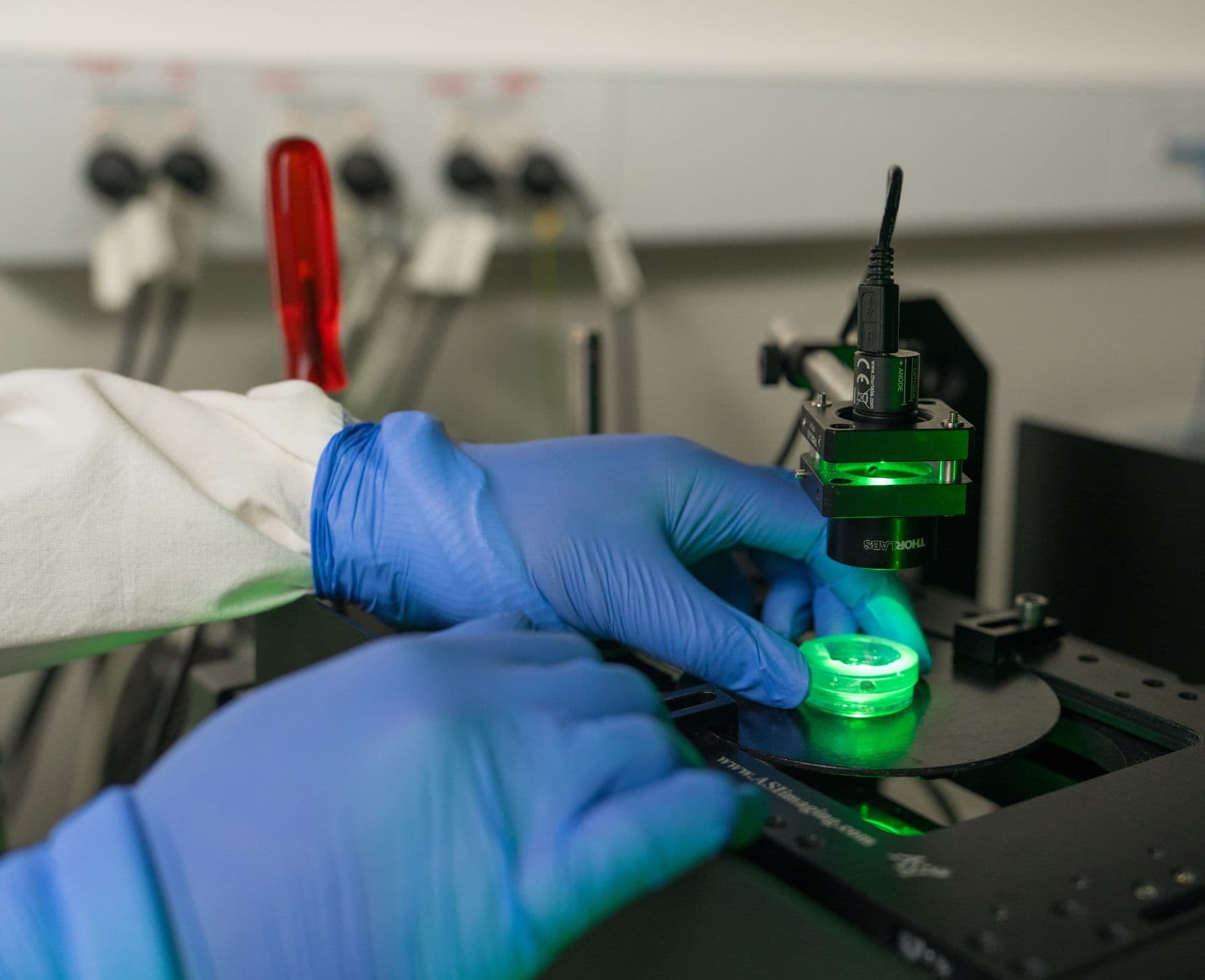
Top image: Microscopy instrument used to uncover the hidden communication networks in cells. Photo: Nic Vevers/ANU.
You may also like
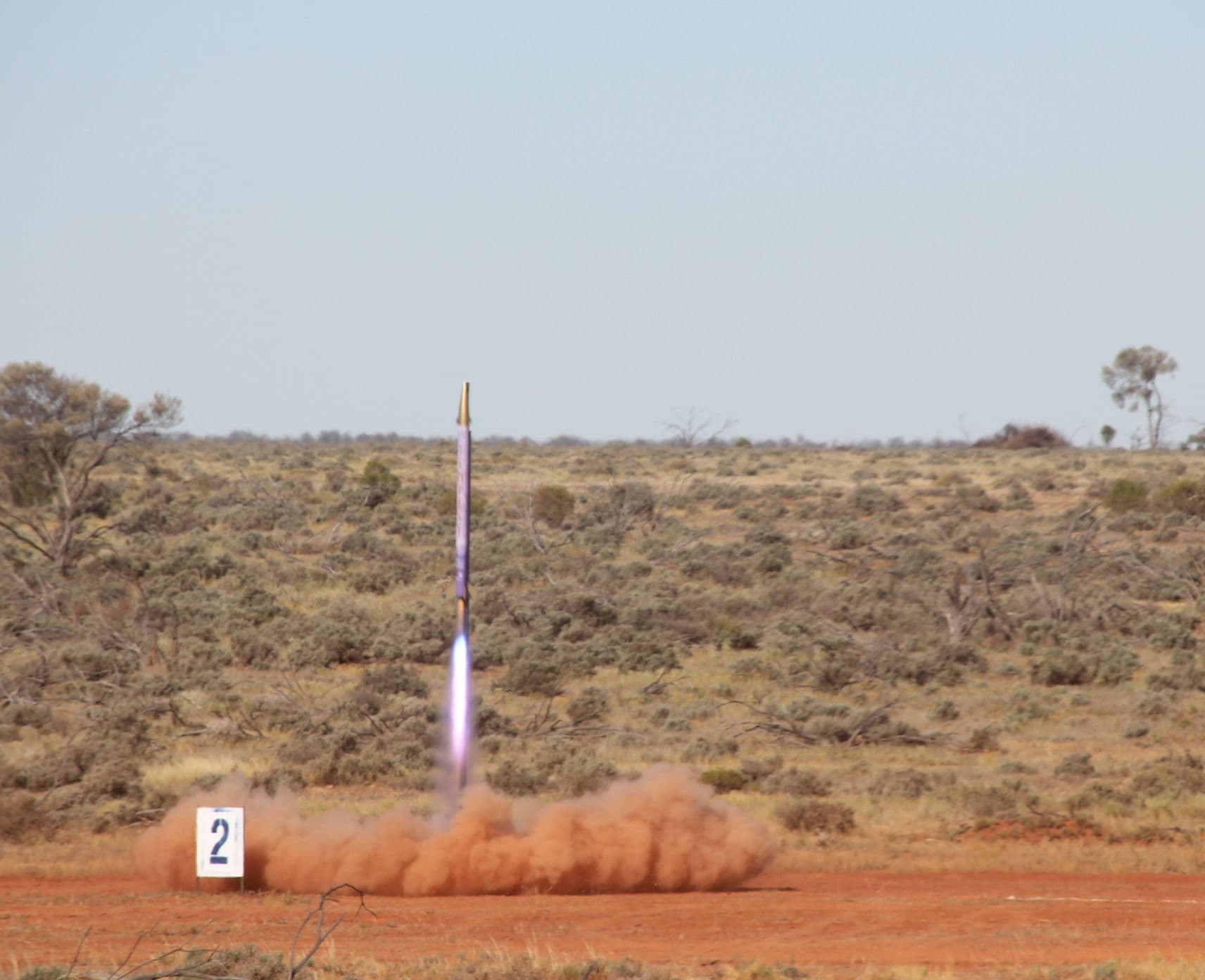
ANU Rocketry reaches new heights with national competition win
After months of design, testing and preparation, ANU students have soared to victory at the 2026 Australian Universities Rocket Competition.

Codebreakers tackle cancer drug resistance with machine learning
Dr Eli Niktab is building a genome atlas to tackle chemotherapy resistance – and is attracting significant global funding.
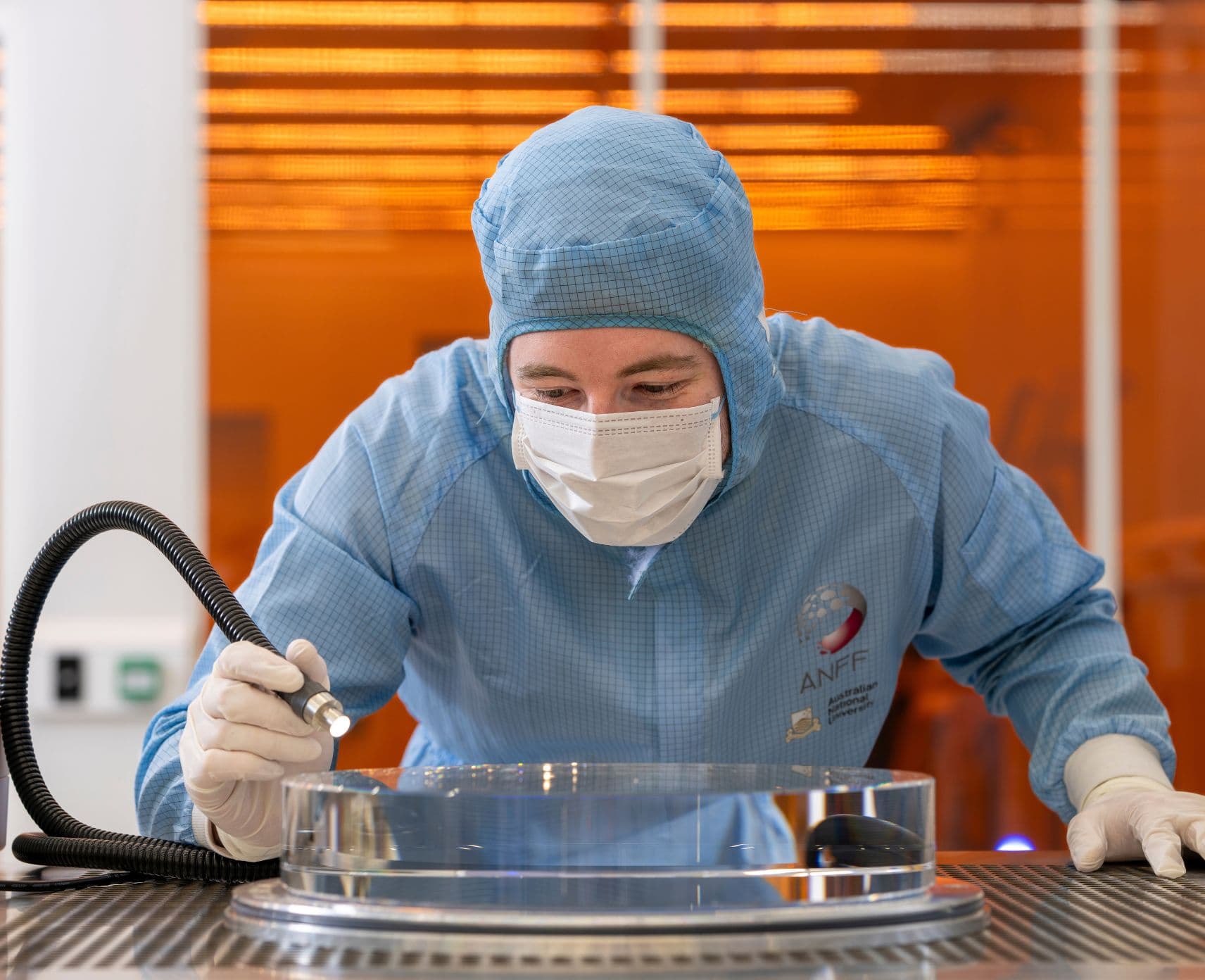
Ultra-precise ANU coatings help power the next generation of gravitational wave detectors
ANU researchers have developed ultra-precise optical coatings for LIGO’s specialised beamsplitters, helping improve the observatory’s ability to detect faint gravitational waves from across the universe.