
STEM Superstars step into the spotlight
Four stellar ANU scientists have been recognised as STEM Superstars.
Article by:

Natalia Burgess
Media and Communications Officer
Four researchers from The Australian National University (ANU) have been announced as STEM Superstars for 2025.
Dr Sarah Clement, Dr Georgy Falster, Dr Alison Bentley and Dr Amanda Parker have been recognised by Science and Technology Australia for their innovative investigations into machine learning technologies, plant breeding for cereal crops, and solutions for environmental problems including biodiversity loss and natural disasters.
Created in 2017, STEM Superstars aims to shatter gender stereotypes about women and non-binary people in STEM fields, inspiring future generations of researchers.

Dr Sarah Clement is an environmental social scientist with the ANU Fenner School of Environment and Society.
Clement conducts research into cutting-edge solutions to the biggest environmental issues we currently face, including the impacts of climate change on biodiversity loss and natural disasters.
Her interdisciplinary approach blends both technical fixes and human-centred solutions to address the causes of man-made environmental deterioration.
She also explores how changing governance can help society confront fundamental environmental challenges, and the poverty and inequality they cause.
With a decade of practical experience, Clement is committed to mentoring future generations of problem solvers.
Computing expert Dr Amanda Parker from the ANU College of Engineering, Computing and Cybernetics is developing artificial intelligence models to overcome the challenges of domain specific scientific data.
Her transdisciplinary approach is comprised of high-performance computing, computational science and applied machine learning.
Parker is an active member of high-performance computing and eResearch communities.
Dr Georgy Falster from the ANU Research School of Earth Sciences is uncovering how climate change affects rainfall and other extreme events.
Whilst we know the combined ocean and land temperatures are increasing rapidly each year, little is known about other aspects of the climate changing.
Falster is solving this through a mixture of information gathered from weather observations, modelling and simulations, and natural climate archives including tree rings and other paleoclimate proxies.
Her research aims to identify the impacts of climate change in Australia and to protect our environment.
Dr Alison Bentley’s work is ensuring we all have access to safe and sustainable food through the adaptation of our crops.
Through plant breeding, Bentley is making our staple cereal crops, such as wheat, resilient to climate change.
Bentley, from the Agrifood Innovation Institute at ANU, aims to enhance agricultural productivity and eradicate global food insecurity.
She is also designing and implementing new interdisciplinary approaches to train the next generation of plant geneticists. Bentley is the founder and lead of Women in Crop Science – an initiative established to increase visibility and promote gender equity in the field.
The full details of the 2025 STEM Superstars are available on the Science and Technology Australia website.
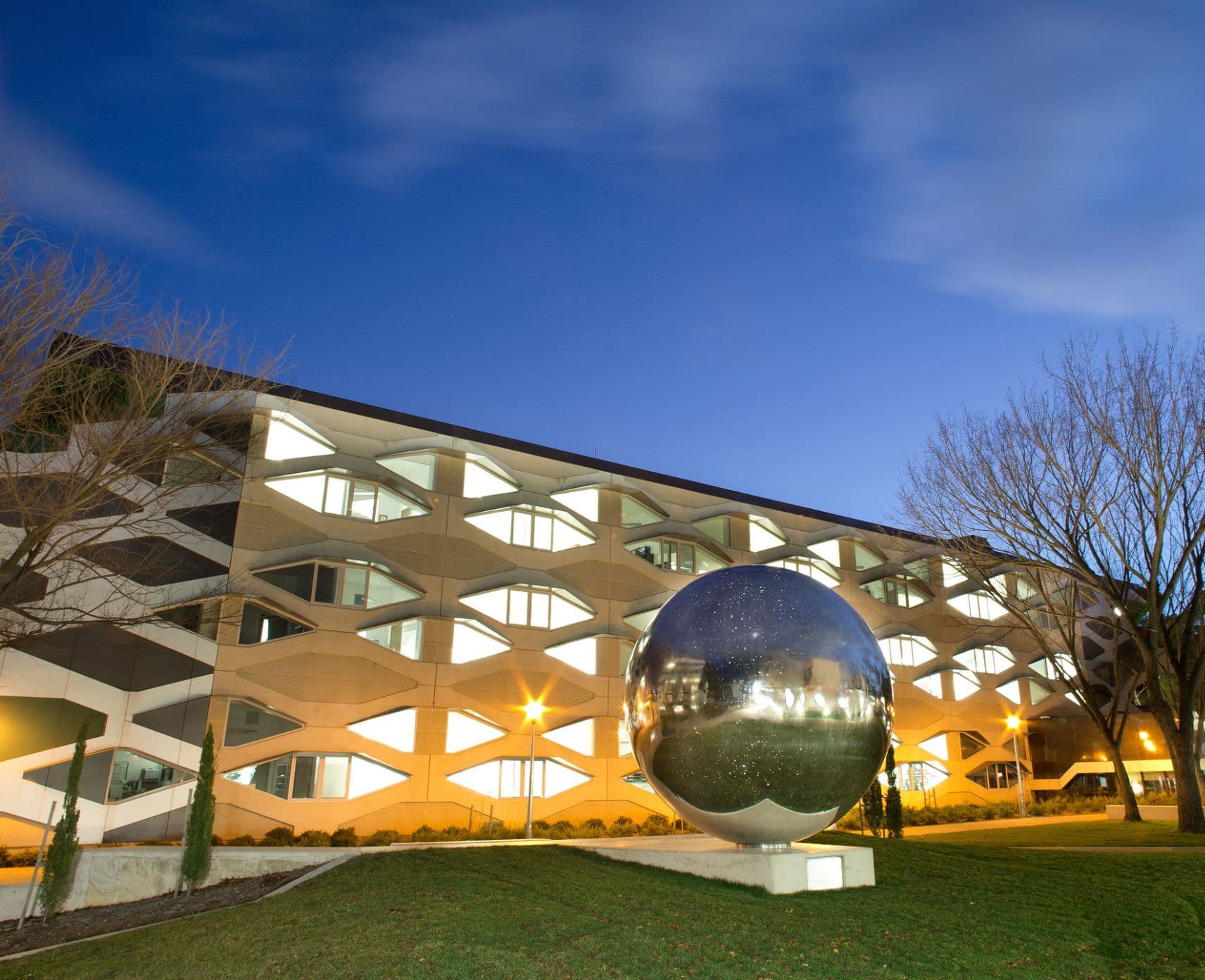
Top image: The ANU science precinct. Photo: Stuart Hay/ANU
You may also like
ANU Rocketry reaches new heights with national competition win
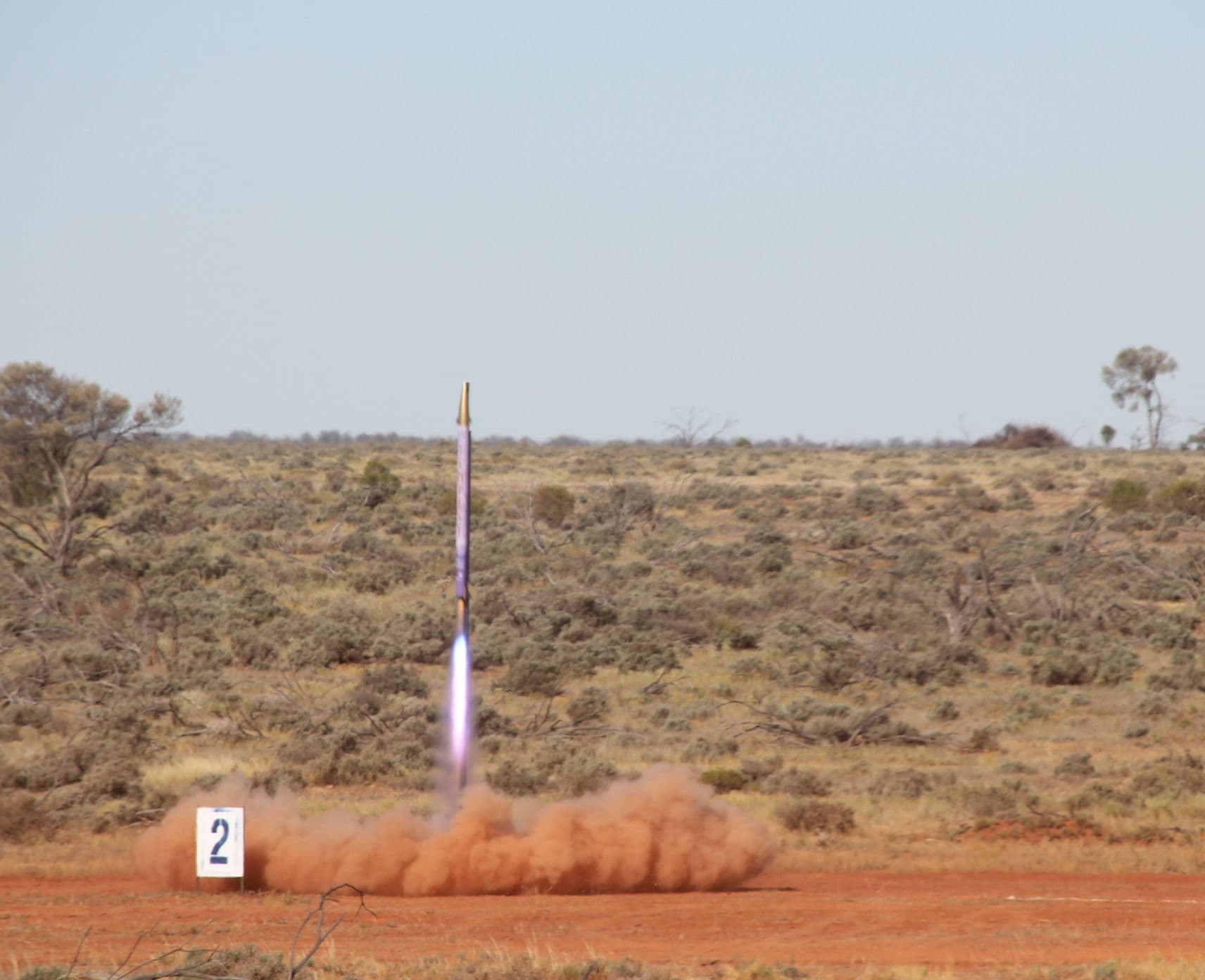
After months of design, testing and preparation, ANU students have soared to victory at the 2026 Australian Universities Rocket Competition.

Codebreakers tackle cancer drug resistance with machine learning
Dr Eli Niktab is building a genome atlas to tackle chemotherapy resistance – and is attracting significant global funding.
Ultra-precise ANU coatings help power the next generation of gravitational wave detectors
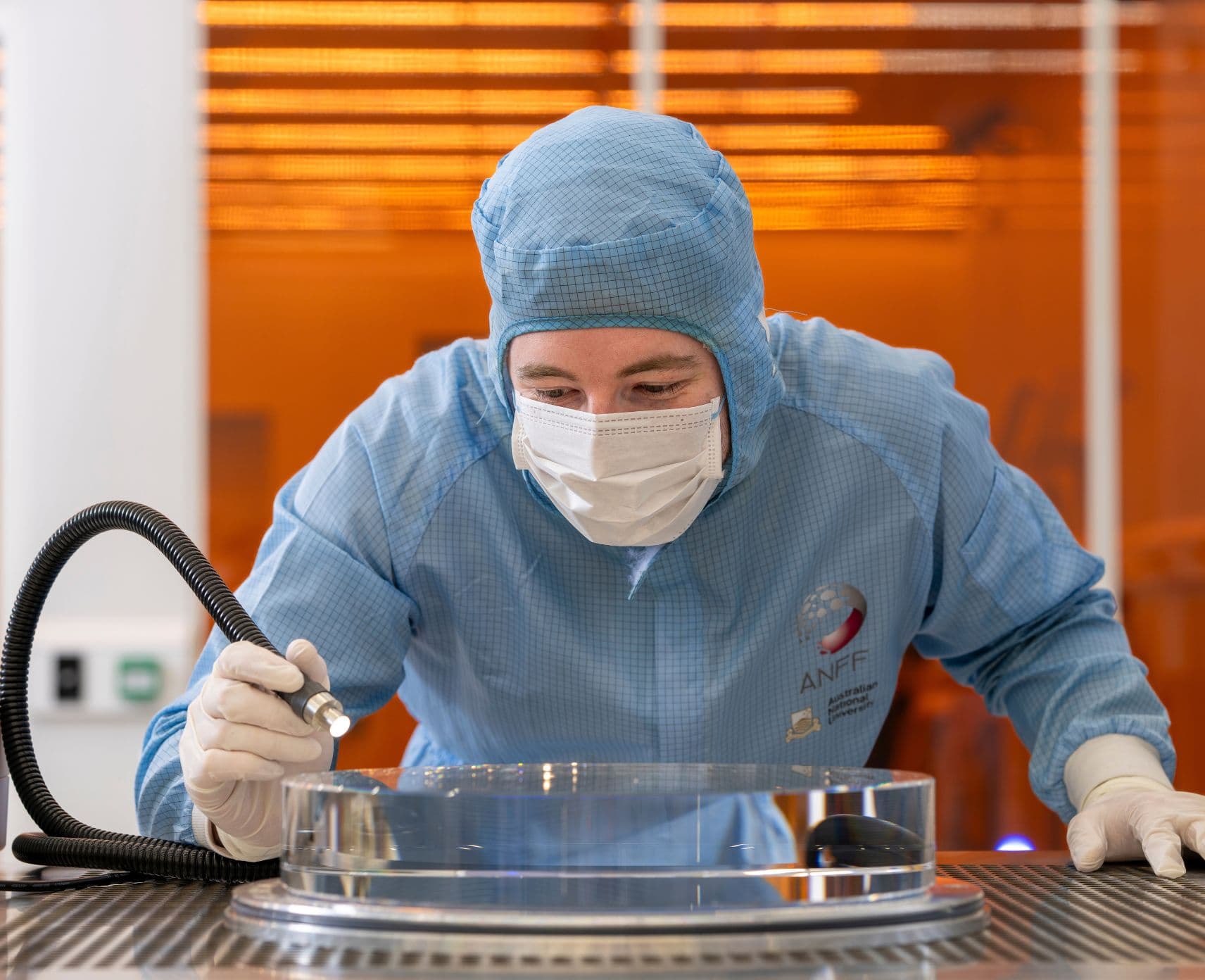
ANU researchers have developed ultra-precise optical coatings for LIGO’s specialised beamsplitters, helping improve the observatory’s ability to detect faint gravitational waves from across the universe.