
The ANU Centre for Personalised Medicine launches to transform how complex autoimmune diseases are diagnosed and treated
A new ANU centre at The Canberra Hospital is using genetics and cellular science to find the root cause of complex autoimmune diseases, and match patients with targeted treatment.
The Australian National University (ANU) Centre for Personalised Medicine (CPM) has officially launched at The Canberra Hospital, marking the next stage of a personalised medicine program that has already delivered life-changing diagnoses and treatments for patients with complex autoimmune diseases.
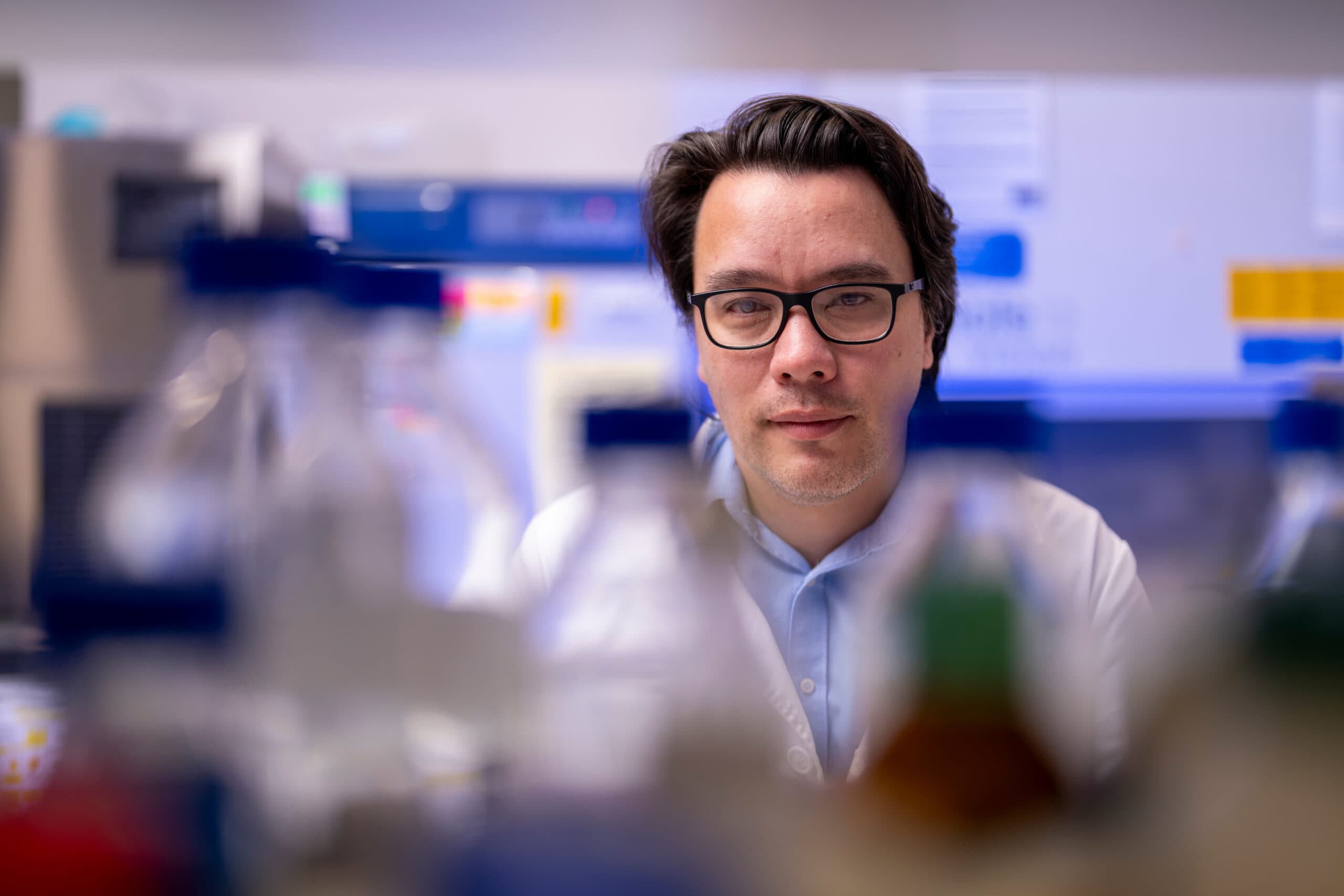
Led by Associate Professor Simon Jiang, the Centre takes a unique approach to working out what is causing a patient’s autoimmune disease.
The Centre brings together experts in genetics, immunology and clinical medicine to diagnose and treat complex autoimmune and autoinflammatory conditions.
The research laboratory is based at the ANU John Curtin School of Medical Research (JCSMR), while patients are seen through the hospital clinic, run in partnership with Canberra Health Services. The clinic is the ACT’s first quaternary referral service of its kind and already receives referrals from across Australia.
Deputy Vice-Chancellor (Research and Innovation) Professor Stuart Wyithe said the launch reflected the University’s commitment to research that delivers real impact for patients.
“This Centre draws on 20 years of immunogenomics research at ANU to do something patients have often waited years for: find the actual cause of their disease, not just manage its symptoms,” he says.
Jiang’s team uses a combination of DNA sequencing and molecular assays to identify the underlying cause of each patient’s autoimmune disease.
“By understanding an individual’s unique causes of illness, we attempt to provide personalised diagnosis and treatments, potentially leading to better outcomes for each patient,” Jiang says.
“My clinical expertise in autoimmune disease allows me to bridge the gap between research and patient care, translating our findings into effective treatments for patients.”
Autoimmune and autoinflammatory diseases are often chronic, recurring and difficult to treat, and are estimated to affect around four to five per cent of Australians.
Even relatively common conditions have a diagnosis rate of only around 20 per cent, leaving many patients moving between specialists for years, treating symptoms rather than causes, and managing side effects from medications like steroids that can be as hard to live with as the illness itself.

More than 1,100 genomes have passed through the Personalised Medicine program at JCSMR, uncovering previously unknown disease mechanisms behind rare gene variants associated with conditions including lupus, dermatomyositis and kidney disease, helping to deliver more accurate diagnoses and targeted treatments for patients.
“On the laboratory side, there is a consistent stream of discovery – new insights into immune function and biological processes, finding new gene variants with surprising consequences,” Jiang says.
“On the clinical side, I’m still amazed and excited how we can translate our laboratory discoveries into effective ways to help people with immune diseases directly.”
The Centre’s launch builds on a $4.5 million commitment from The McCusker Charitable Foundation, which has backed Jiang’s work since 2023 and is now funding the Centre’s expansion.
ACT Minister for Health, Rachel Stephen-Smith welcomed the Centre’s launch, saying it reflected the strength of Canberra’s research and health sectors working together.
“The Centre for Personalised Medicine offers a breakthrough for people living with complex immune conditions, who will benefit from the Centre’s unique combination of advanced technologies, innovative research, and world-class clinical expertise,” Stephen-Smith says.
“This exciting partnership between the Australian National University and Canberra Health Services is a great example of the ACT leading the way when it comes to cutting-edge medical research and frontline care.
“Canberra is now home to Australia’s first personalised medicine clinic dedicated to immune disease, which will have a profound impact on how these rare and complex conditions are treated, now and into the future.”
Top image: Associate Professor Simon Jiang. Photo: Jamie Kidston/ANU.
Related tags:
You may also like

Beyond zero tolerance: what it will take to end sexual harassment in medicine
Drawing on years of global research and testimony, Clinical Associate Professor Louise Stone examines why sexual harassment persists across medical cultures worldwide – and why policy and law alone have never been enough to stop it.
How art uncovers the hidden pain of endometriosis
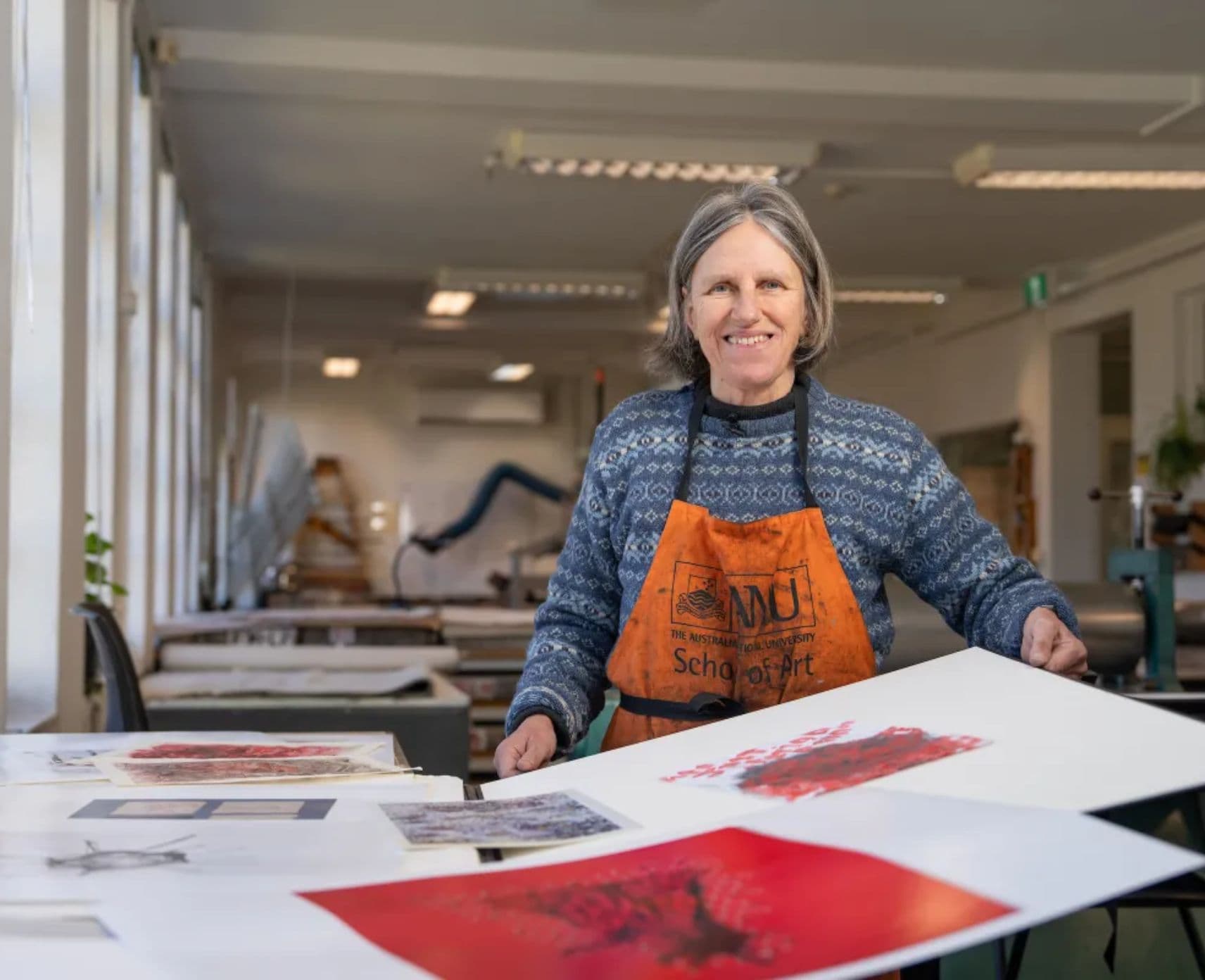
ANU PhD candidate Susanne Ilschner is combining visual art, patient experiences and laboratory research to better understand the emotional, social and biological impacts of a condition affecting up to one million Australians.

Strong and healthy: How Mob-driven leadership is transforming Indigenous health research
The history of Indigenous health research in Australia is deeply entwined with practices that were often extractive, exploitative and driven by non-Indigenous agendas. Now, Yardhura Walani and the National Centre for Indigenous Genomics are leading the way to change that.