

We count livestock losses during natural disasters. We should be doing the same for our iconic wildlife
George Wilson argues that if we value our native wildlife, we should monitor their numbers systemically.

As climate change-driven extreme weather events intensify across Australia, a more integrated approach to assessing impacts on both livestock and abundant native wildlife on working lands would strengthen policy coherence, improve ecological understanding, and support more informed management.
Australia has well-developed systems for quantifying livestock losses following natural disasters such as fires, floods and drought, yet losses of abundant native wildlife species such as kangaroos is not systematically recorded.
Extending existing animal monitoring and reporting systems to include abundant wildlife across working landscapes would improve transparency, strengthen environmental accounting, and provide a more complete understanding of Australia’s ecological reality.
Existing wildlife surveys are designed to track long-term population trends, but they do not capture episodic mortality associated with extreme weather events. Incorporating wildlife mortality into current monitoring frameworks would improve transparency in animal management, support recovery planning, and strengthen environmental decision-making.
In 2026, media reports estimated losses of more than 50,000 cattle and sheep across flood-affected pastoral regions of Queensland. These losses followed earlier Queensland floods between March and May 2025, during which approximately 220,000 livestock were reported dead or missing, according to the Queensland Department of Primary Industries.
Previously, flooding in January–February 2019 killed an estimated 457,000 head of cattle. Across these same pastoral regions, large kangaroo populations occupied the same landscapes and were exposed to the same conditions. Yet there has been no systematic attempt to estimate how many died.
Funding patterns reinforce this gap. Following the 2019–20 Black Summer bushfires, approximately $150–200 million was raised for wildlife recovery, alongside $200 million in government funding. Most of this supported rescue, rehabilitation and habitat restoration. Only a small proportion – around $28 million – was allocated to scientific assessment and monitoring.

Shared landscapes, incomplete accounting
Kangaroos are not peripheral to these systems. They occupy the same rangelands as sheep and cattle, number in the tens of millions, and in some regions represent comparable biomass. Long-term aerial surveys used in the management of the commercial kangaroo industry reveal pronounced cycles of decline during drought and recovery following favourable seasons.
During the ten-year Millennium Drought beginning in 2000, kangaroo populations across eastern Australia declined by an estimated 30 million animals. Some of this decline reflects reduced recruitment, but the scale also points to substantial unrecorded mortality. These drought-related losses occur alongside mortality from fire and flood yet remain largely unmeasured.
At the same time, kangaroo populations can recover rapidly following improved seasonal conditions, reflecting their adaptation to Australia’s highly variable climate. This cycle of sharp decline and recovery is well established. By 2014, populations had recovered to near-peak levels of approximately 47 million animals. What remains poorly quantified is the mortality component within that cycle.
Why this matters
Several converging trends make this gap increasingly important. Climate extremes are becoming more frequent and more severe, with fires, floods and droughts occurring in closer succession. At the same time, landscape fragmentation – through fencing, water-point distribution and infrastructure – may increasingly restrict animal movement and reduce the ability of wildlife to respond to extreme events.
Effective management depends on sound evidence. Kangaroo harvest quotas across several states rely on long-term aerial surveys designed to detect gradual population change. These systems are scientifically robust, but they were not designed to measure episodic mortality associated with major natural disasters. Without accounting for these losses, post-disaster population trends may be incomplete or misinterpreted.
There is also an issue of consistency. Public concern for wildlife welfare during the Black Summer fires was profound and genuine. If that concern is to be applied consistently across species, then some form of systematic estimation – even if imperfect – is preferable to having no estimates at all.
What is feasible
No entirely new bureaucracy is required. Australia already possesses much of the necessary capability. Targeted post-disaster aerial transects could be integrated into existing wildlife survey programs in affected regions. Remote sensing of fire severity and flood extent could be combined with population-density data to generate transparent and reproducible mortality estimates.
Citizen science initiatives could also contribute valuable local observations, particularly in peri-urban and agricultural landscapes. Most importantly, wildlife mortality estimates could be reported alongside livestock losses in disaster summaries. Even broad confidence intervals would represent a substantial improvement on the current absence of reporting.
Current research is beginning to address this gap. A PhD project by Jess Bracks at the ANU Fenner School of Environment and Society is examining how kangaroo management programs can be better integrated into broader land-use systems, including the influence of fire, flood and drought on kangaroo population dynamics. This work points toward a more comprehensive framework for understanding how multiple pressures interact across Australia’s working landscapes.
Accounting for agricultural losses after natural disasters is essential, but it provides only a partial picture. Counting livestock reflects economic value; counting wildlife helps us understand ecological reality. What we choose to measure shapes what we understand – and ultimately, what we manage.
Top image: Jamie Kidston/ANU
You may also like

Tiny atomic tweak makes plastic-eating enzymes more powerful
A new approach that changes just one atom in plastic-degrading enzymes could help make them more efficient while maintaining their stability, according to new research from The Australian National University (ANU).

Australia doesn’t need more gas to meet energy needs, research finds
Pumped hydro and battery storage can enable Australia to meet its energy needs without increasing the use of gas to fuel electricity plants, according to a new paper by researchers at The Australian National University (ANU).
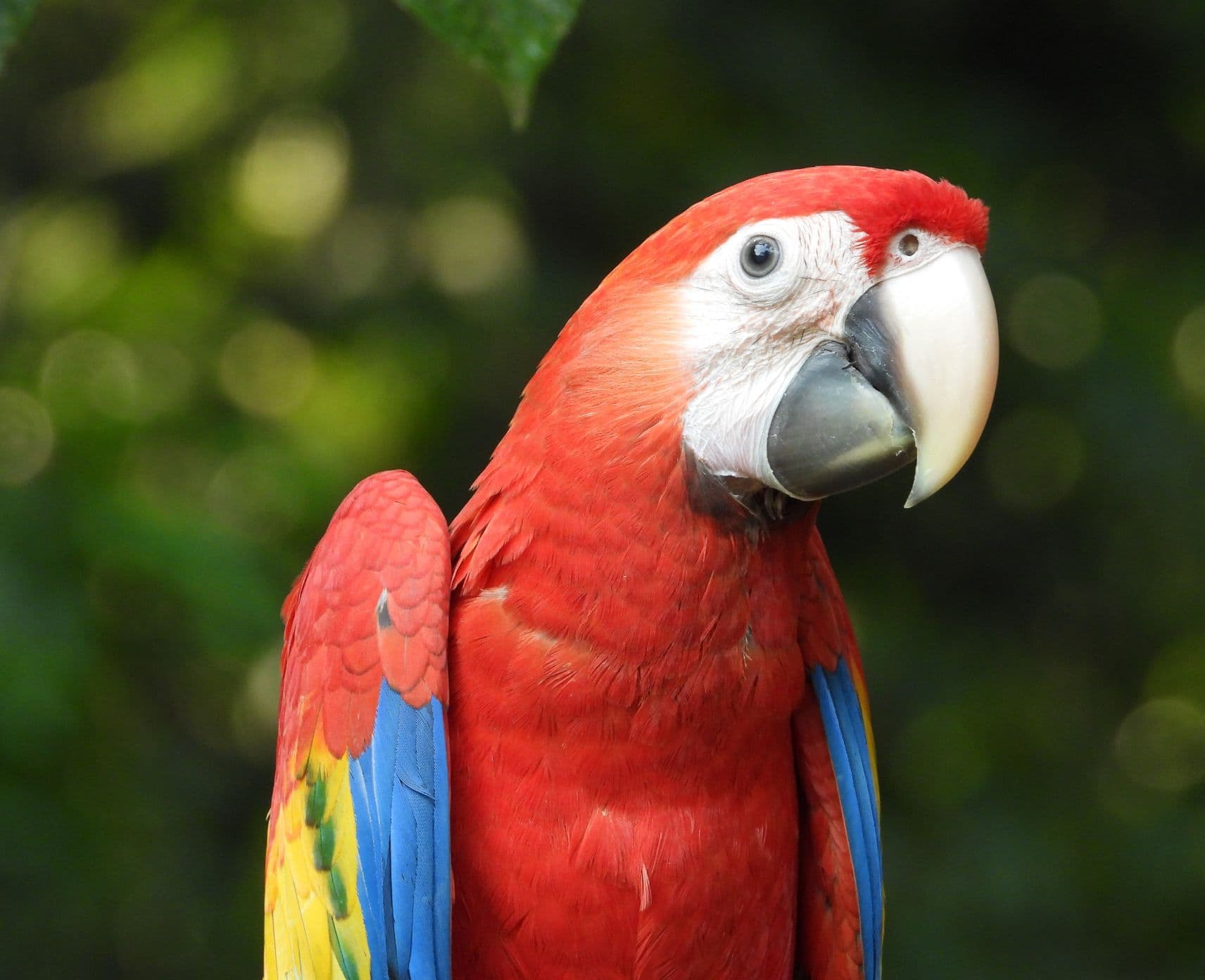
Mapping the shadows: scientists predict the ‘hidden highways’ of Mexico’s illegal wildlife trade
Researchers have mapped the hidden routes of Mexico's illegal parrot trade, using almost 30 years of data to predict trafficking hotspots.