
Youth programs key to reducing family violence
Teaching young people how to identify healthy and respectful relationships helps mitigate experiences of family violence for Aboriginal and Torres Strait Islander people, according to a report led by The Australian National University (ANU).
In the FaCtS study, which is a first of its kind, researchers analysed responses from 1,600 Aboriginal and Torres Strait Islander people to understand how to reduce family violence in their communities.
The Indigenous-led study, commissioned by the Department of Social Services, found support services must be orientated around families and broader kinship systems.
“We found that culturally informed education programs work,” study director Dr Jill Guthrie, from the ANU Research School of Population Health, said.
“It is important to have Aboriginal Torres Strait Islander communities lead the change.
“Programs like Young Luv engage with Aboriginal teenagers at a stage when destructive patterns in relationships may have started to happen or become normalised.”
Minister for Indigenous Australians, Ken Wyatt, said family and community violence disproportionately impacts Aboriginal and Torres Strait Islander peoples and communities.
“We are committed to finding solutions – solutions that not only treat the impacts of violence with frontline services but go to the heart of the problem with prevention and early intervention services that address the structural drivers of violence,” he said.
Primary prevention programs such as The Strong Family Program in NSW, The ADRS Family Violence Project in northeast Arnhem Land and Young Luv in Victoria were highlighted as solutions.
Kelly Faldon, Community Engagement Manager at Djirra, said Young Luv is an innovative program developed by Aboriginal women, for Aboriginal women, and delivered in community and school settings right across Victoria.
“The success of this program highlights the extent to which the girls value the opportunity to come together in a culturally safe environment to discuss important issues for them with Aboriginal facilitators who understand and share their culture and community,” Ms Faldon said.
“Aboriginal girls and young women discuss the dynamics of healthy relationships, safety and how to recognise inappropriate or unsafe behaviour at a time in their lives when forming independent and positive relationships takes on a special urgency.”
Acute services such as The Family Wellbeing Program developed in Adelaide, Red Dust Healing and The Australian Nurse Family Partnership Program (ANFPP) have also been recommended by researchers and published in the FaCTS study.
Red Dust Healing Founder, Uncle Tom Powell, said the program’s primary focus is on restoration of families.
“Participants are often trained to become workshop facilitators themselves,” Mr Powell said.
“I believe if the problem lies in the community, so too does the answer. If you train up local people, who better than to be delivering this than those that come from there or are living there.”
The ANFPP supports new mums during pregnancy and into their baby’s infancy and toddlerhood.
Programs such as The Strong Family Program by Family Planning NSW work with Indigenous youths in yarning circles with culturally respectful “men and boys” and “women and girls” business.
“We researched best practice examples and found education programs for people at a young age that are working to prevent problems before they ever happen,” Dr Guthrie said.
“Their programs are Indigenous-led and talk about what constitutes healthy relationships and deliver reproductive and sexual health education.”
The researchers say approaches to reduce violence need to be underpinned by addressing intergenerational violence and trauma.
“Winding back the normalisation of violence in some families and communities, which has emerged from the damaging effects of colonisation, requires understanding of healthy relationships and strong culture,” Dr Guthrie said.
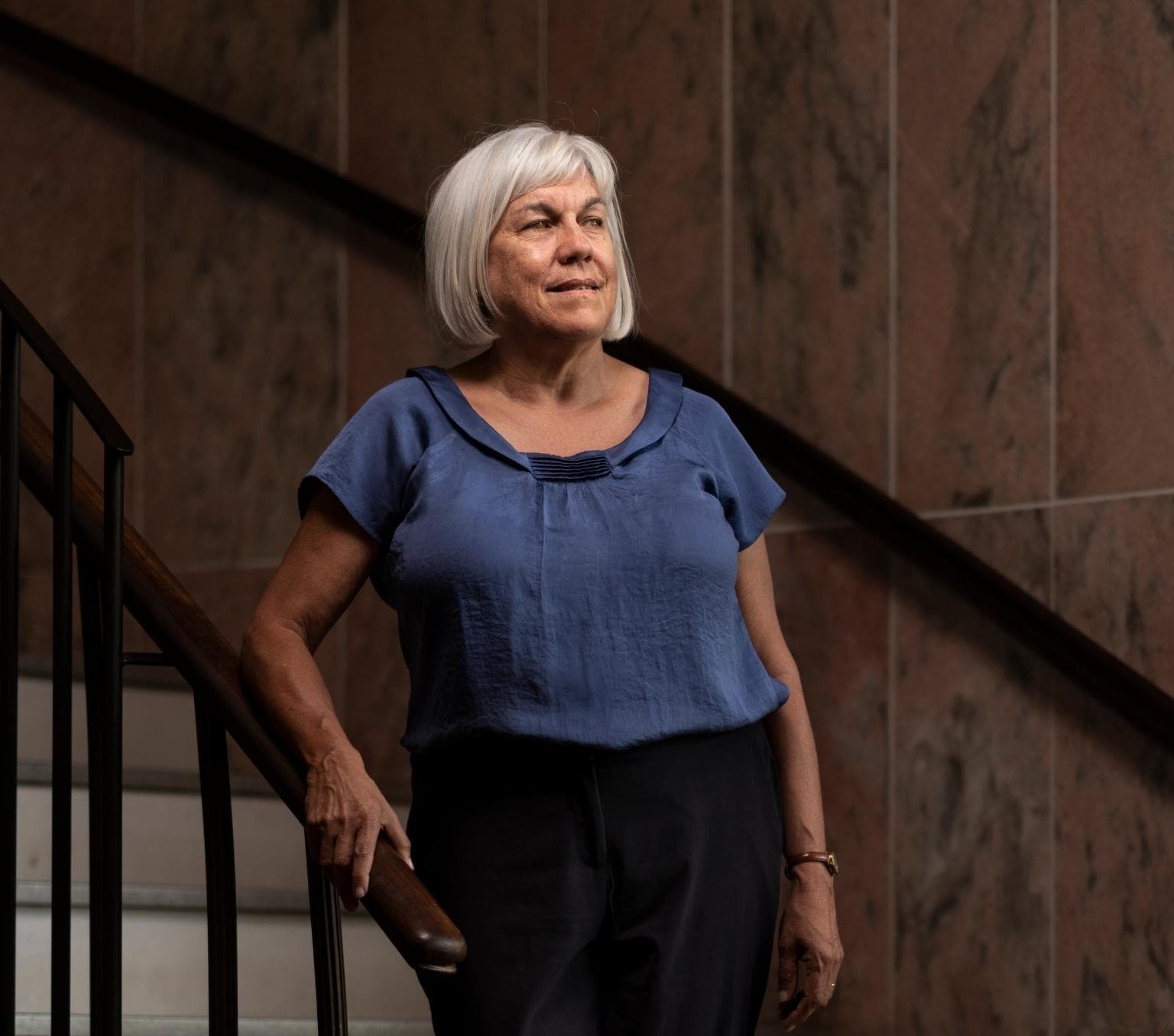
Top image: Dr Jill Guthrie. Photo: Jamie Kidtson/ANU
Contact the media team
You may also like
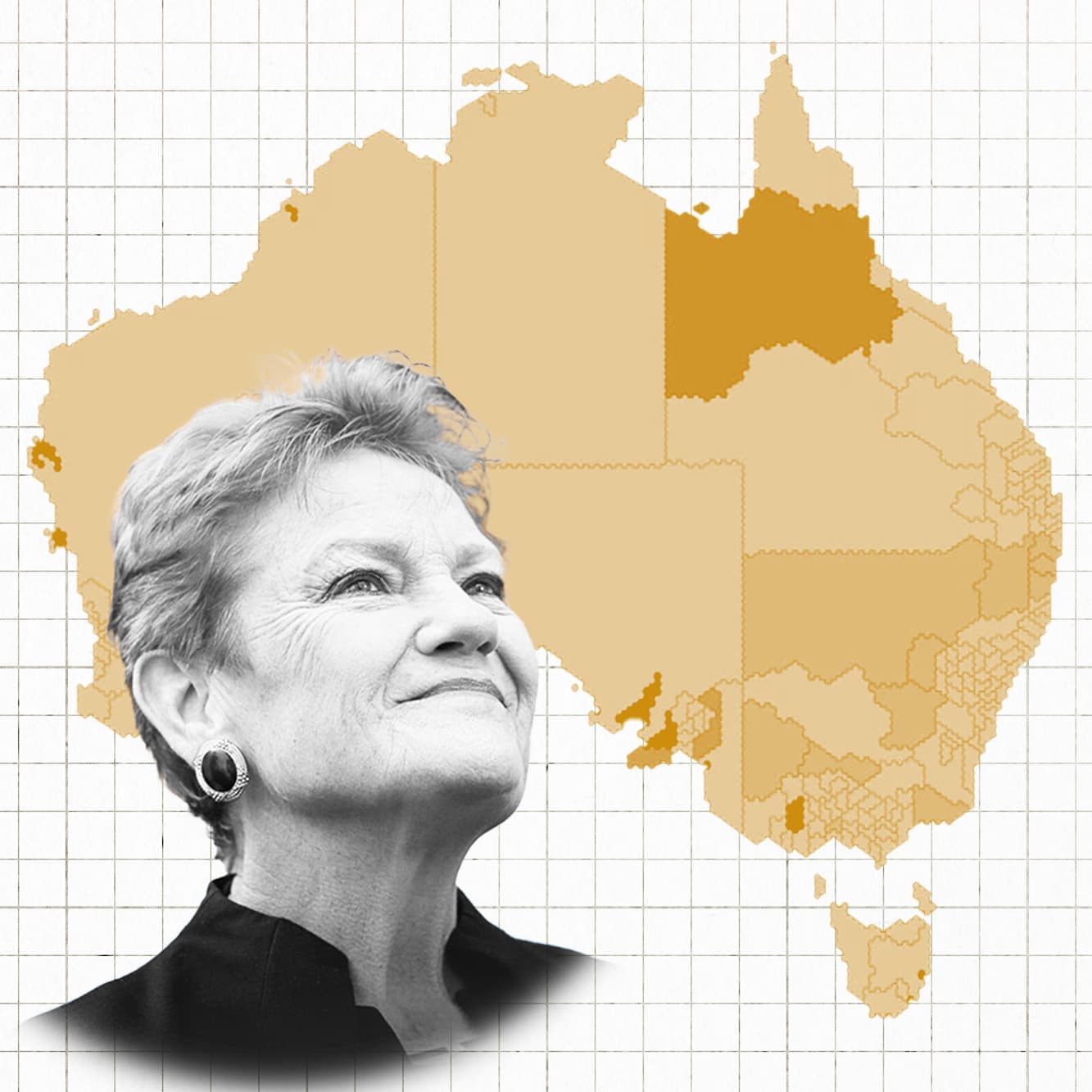
Democracy Sausage: The One Nation vote: a map of government neglect
Redbridge Group director Kos Samaras joins Mark and Marija to unpack the new Australian Resilience Index. It maps the financial, health and social resilience of communities across all 150 federal electorates.

Democracy Sausage: Not here to fix Labor
On this episode, Professor Mark Kenny and Dr Marija Taflaga look at what was behind the Greens' first truly competitive leadership contest. They discuss why personal relationships carry so much weight in a party room that could fit in a minivan, and whether the Greens are really just a privatised left faction of the ALP.

Democracy Sausage: The Alchemy of Leadership
Historian and biographer Paul Strangio joins Mark to dissect what makes — and breaks — an Australian prime minister, drawing on his newly shortlisted book The Alchemy of Leadership: Seven Australian Prime Ministers in a Turbulent Twenty-First Century.