
This game-inspired innovation is empowering collaboration across Australia
The research-backed initiative Cobeo is helping make teamwork the dream work.
Article by:

Luis Perez
Contributing writer
Dice, cards and tokens usually belong on the kitchen table on game night.
But what if they could also be used to help improve collaboration in the workplace?
That’s the idea behind a new initiative developed at The Australian National University (ANU) by Dr Maya Haviland, Professor Mitchell Whitelaw and Sejul Malde.
Called ‘Cobeo’, this innovation distils years of creative collaboration research into an accessible, hands-on way to navigate the messy, unpredictable business of working in tandem.
Chances are you’ve sat through one of those work-planning meetings where everyone enthusiastically agrees on a set of goals that later prove to be overly optimistic and nearly impossible to achieve.
Cobeo deals with that frustration, giving people tools to identify the issues that usually send projects off the rails.
“Sometimes we experience things that we don’t have names for and are hard to think clearly about. Cobeo helps make those things tangible and concrete – it generates lots of ‘aha’ moments,” says Whitelaw.
As one of the first registered ANU intellectual properties grounded in humanities and social sciences research, Cobeo is currently helping individuals across disciplines and cultures tackle shared challenges.
“Often people think they’re speaking the same language. They may all speak English, but an economist and an artist can mean very different things,” says Haviland.
“Cobeo aims to help people work across their differences and find ways to navigate collaborative processes.”
A serious game
Bringing collaboration to life isn’t easy in an age of popcorn brains and shrinking attention spans.
That challenge led Haviland, an anthropologist, to spend some time learning from tabletop role-playing game designers –masters at keeping people engaged.

“We needed to create a process that would make people want to spend time reflecting and thinking,” says Haviland.
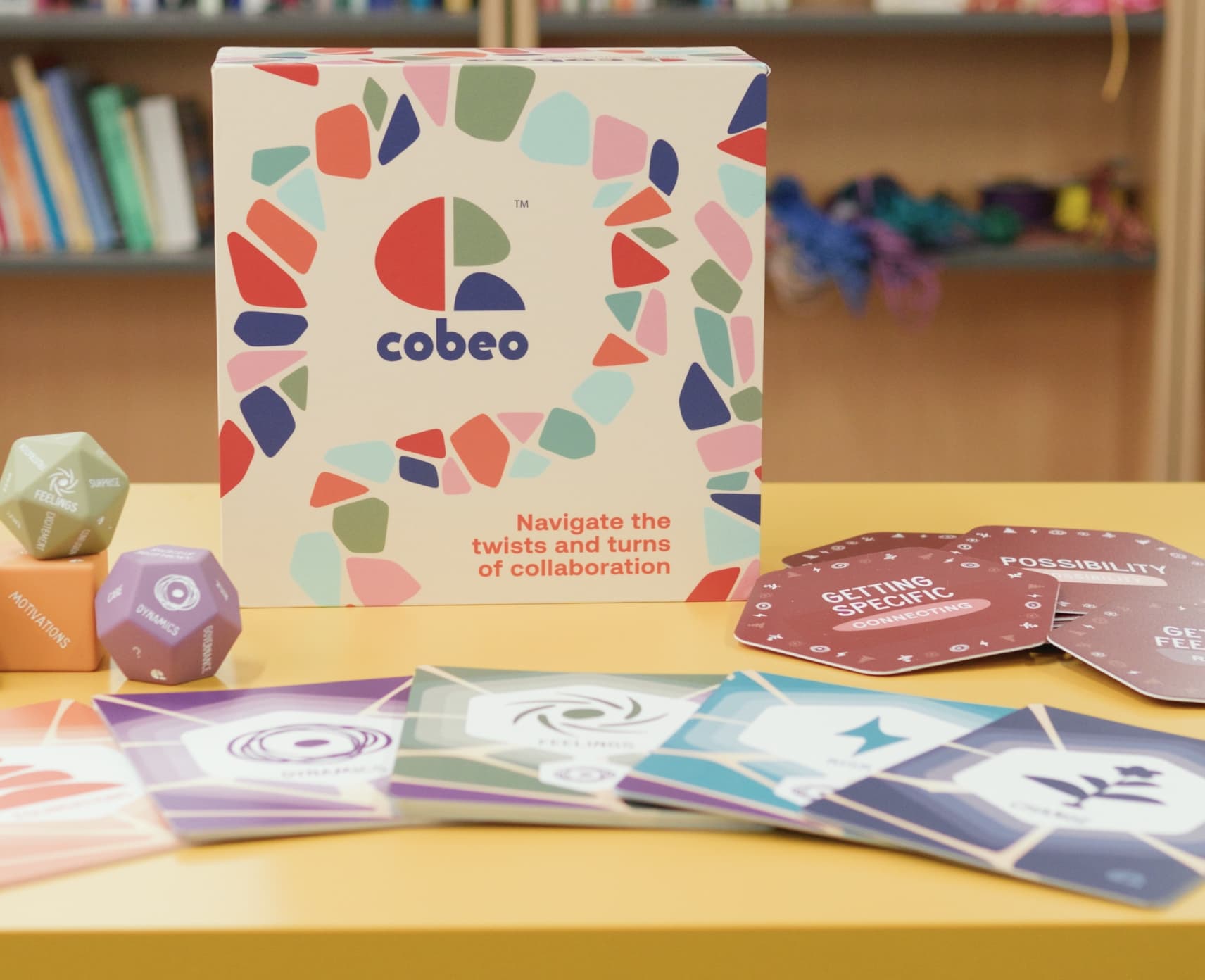
Drawing inspiration from game mechanics, Haviland developed the Cobeo tools – a carefully designed set of tokens, cards and dice that sit at the heart of the broader Cobeo initiative, helping individuals, groups and organisations tackle their challenges.
At first glance, Cobeo may look like a board game spread across the table, but the ANU researchers clarify it is not a game.
“It uses elements we are familiar with in games we’ve all played growing up, but there is no winning condition or set gameplay,” says Haviland.
“We simply draw on tools such as visual cues, randomisation and interactivity to help visualise dynamics and processes that can be intangible and hard to attend to.”
Time well spent
Cobeo tools are designed to bring people together in the same space, which requires time away from their desks.
This can feel like a luxury – but it’s one that pays off.
While Cobeo workshops are tailored to the specific people and projects in the room, the tools remain a constant in every session, helping participants think outside the box.
“One of the first things we ask people to do is locate where they think they are in the co-creation cycle,” she says.
“It’s often the moment a team realises they’re not actually in the same stage or not seeing priorities the same way.”
From there, groups work with Cobeo Navigation Cards to explore what is helping their collaboration and what might be holding it back.
“The Cobeo Navigation Cards have been developed out of my research specifically looking at what types of dynamics shape co-creative and collaborative projects across scales, contexts and sectors,” Haviland says.
Participants sit in circles, walk around, flip cards, and respond to prompts scattered across the room.
“Since you’re looking at the cards instead of directly at your colleagues – who might be frustrated at you for not being on the same page – it becomes easier to see the dynamics that make collaborative work challenging and how to navigate them,” she says.
The ANU researchers say this physical movement opens relational processes that would rarely happen online or in a conventional work meeting.
A toolkit for everyone
Anyone navigating the twists and turns of collaboration can benefit from Cobeo.
The tools are most effective when diverse groups must align priorities and make decisions together, such as government stakeholders with community organisations or Indigenous leaders with non-Indigenous partners.
Haviland has seen this firsthand while testing Cobeo across Australia.
“I’ve just returned from two days in Melbourne working with a complex, cross-cultural collaboration focused on work in Arnhem Land. The session brought together a breadth of individuals: from biomedical researchers and community development practitioners to health specialists and Yolŋu leaders,” she says.
Among the participants was Juanita Moodey, who describes Cobeo as a multi-purpose tool.
“It’s not just related to one industry. It does have this difference across culture as well as across language, as well as across levels of systems and across levels of professions,” she says.
While its impact is clear in community and public-sector settings, Haviland believes Cobeo is just as useful in the private sector – where poor teamwork can have financial consequences on project outcomes and productivity.
Chris Browne, Academic Convener at the ANU McCusker Institute and a Cobeo user, agrees that the tools can prevent far more expensive mistakes down the line.
“There’s a thing in engineering around the difference between solving the problem right and solving the right problem.
“Time sitting with the problem and time sitting with uncertainty gives you the opportunity to make sure that you’re looking at the right problem before you go and produce the thing,” he says.

Co-creating the future
Recently, Cobeo partnered with the Australian Museums and Galleries Association (AMaGA) to help museums and their stakeholders tap into new collaborative opportunities.
“Through a broader project called Assembly, Cobeo is supporting a series of convened conversations across Australia, helping to understand how museum-connected, collaborative research can be enabled in local contexts,” says Malde, who helped cement the initiative.
Katie Rusell, CEO of AMaGA, says Cobeo has marked a turning point in her Association’s day-to-day operations.
“It has transformed our organisation from one that was quite set in its ways to one that now really reflects on everything it does. I would wholeheartedly recommend it,” she says.
While much of what we call innovation today is the result of human collaboration, the ANU researchers argue that collaborative dynamics are often overshadowed by individual success.
Through Cobeo, they want to encourage organisations and individuals to think more deliberately about who they collaborate with.
“It’s a pushback against the idea of the singular genius we often get in research, art and other spaces,” says Haviland.
If you are interested in learning how you can engage with Cobeo, please contact cobeo.cass@anu.edu.au or visit www.Cobeo.net
Top image: Cobeo is designed to improve collaboration in the workplace. Photo: Jamie Kidston/ANU
Featured experts

Dr Maya Haviland
Centre for Heritage and Museum Studies
Dr Maya Haviland is a Translational Fellow and Senior Lecturer at the ANU Centre for Heritage and Museum Studies.

Professor Mitchell Whitelaw
ANU School of Art and Design
Mitchell Whitelaw is Head of the ANU School of Art and Design, and the Creative Director of Engaged ANU.
Related tags:
You may also like
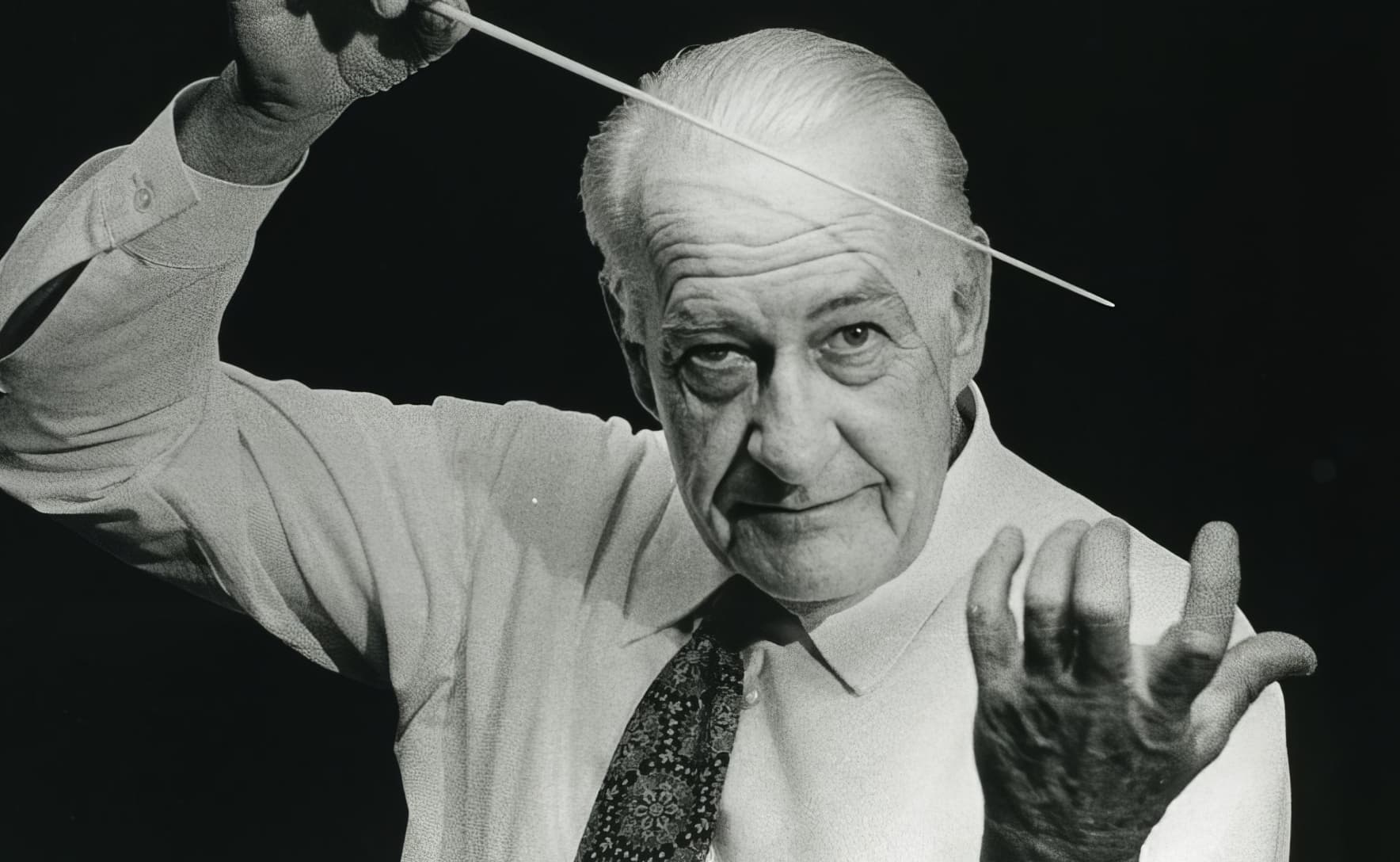
Remembering Ernie: the man behind Llewellyn Hall
As Llewellyn Hall marks its 50th anniversary, Emeritus Professor Larry Sitsky reflects on the musician and friend for whom the hall is named.
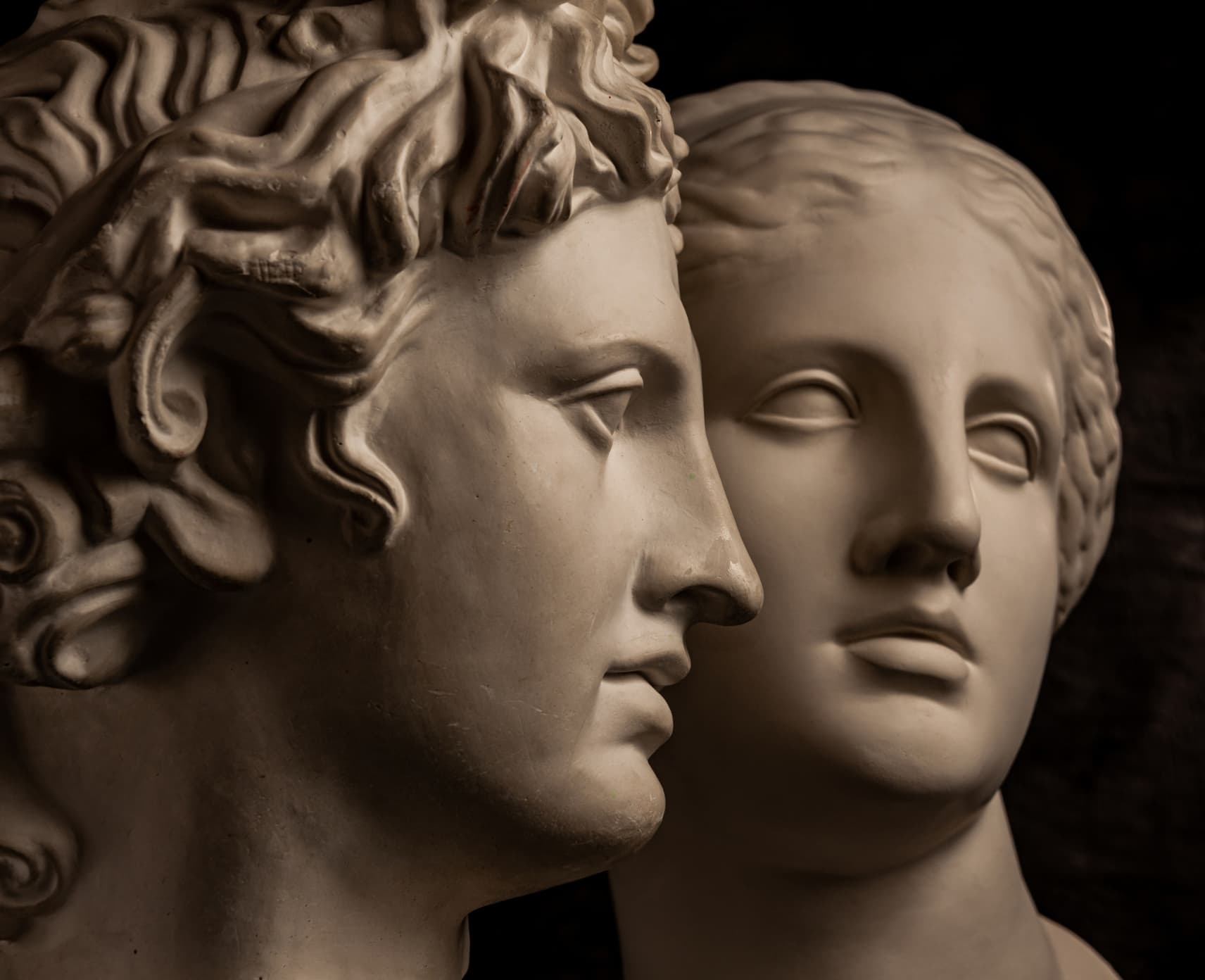
One historian, centuries of gossip and a fresh look at Ancient Rome
What did ordinary Romans really think of their rulers? Professor Caillan Davenport’s new book draws on juicy rumours and gossip to reveal the answer.
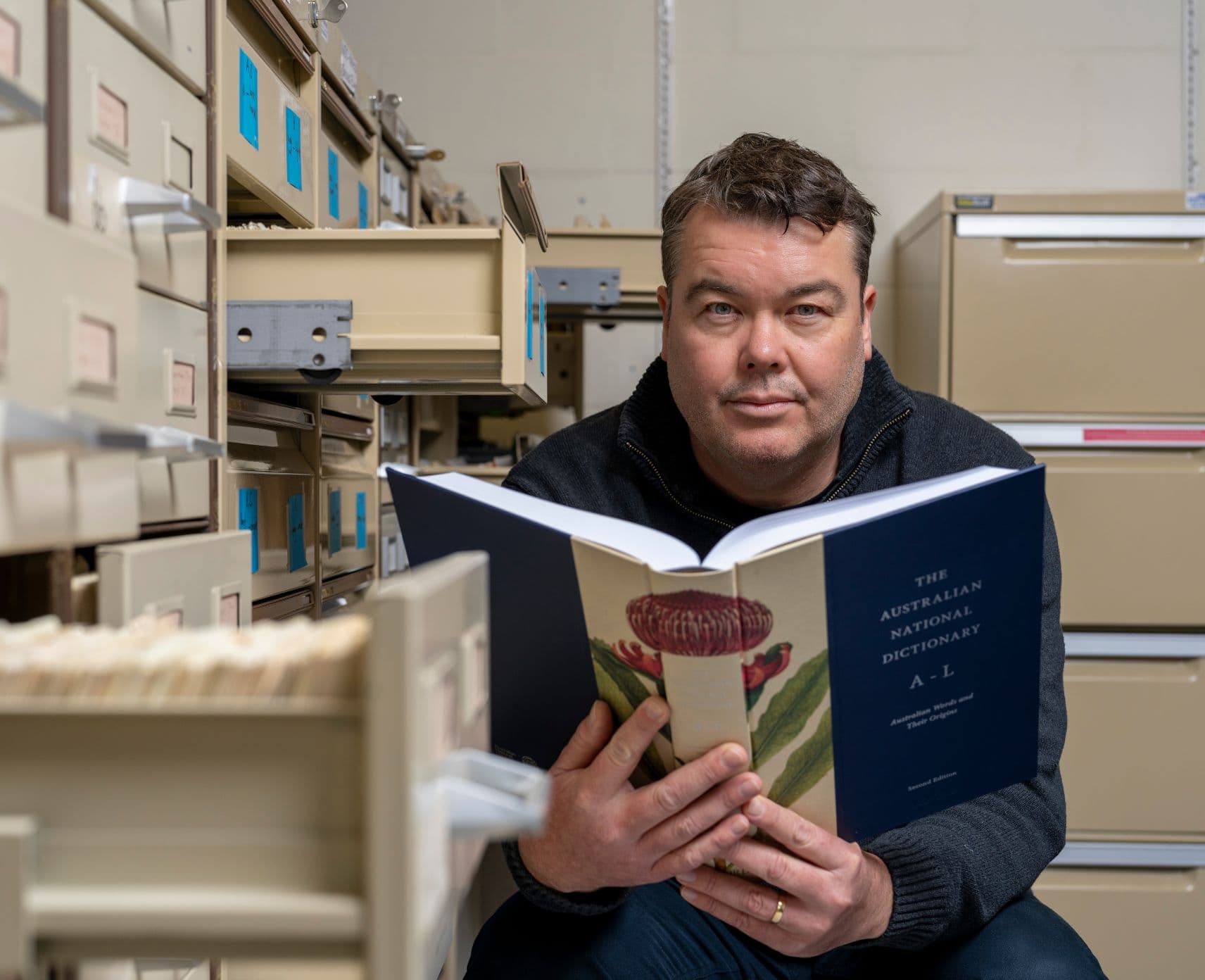
Forget potato scallops and potato cakes – the Australian National Dictionary is on the hunt for Australia’s hidden regional words
From dardy to turbo chook, ANU is calling on Australians to uncover the colourful local words and phrases that make our regional vocabulary unique.