
ANU receives Google funding to boost fusion energy research with AI
ANU researchers have secured Google.org funding to use AI and advanced computing to accelerate fusion energy research.
Article by:

Natalia Burgess
Media and Communications Officer
Researchers at The Australian National University (ANU) have received Google.org funding to modernise a key fusion energy simulation tool, using artificial intelligence (AI) and advanced computing to help scientists model plasma behaviour faster and more efficiently.
The project is funded by Google.org through their Plasma Code Modernisation and AI-Assisted Fusion Simulation Awards, a focused funding initiative aiming to make it faster and easier for scientists to design and analyse future fusion energy devices using AI and advanced computing technology.
Led by Professor Matthew Hole from the ANU Mathematical Sciences Institute and ANU School of Computing, the project will upgrade SPEC, a software tool used by fusion researchers worldwide to model the complex magnetic environments needed to develop future fusion energy devices.
Fusion energy seeks to replicate the process that powers the Sun, offering the potential for clean, reliable energy but requiring complex simulations to understand how extremely hot plasma behaves within magnetic fields.
Many established simulation tools used in fusion research were developed before the emergence of modern AI and accelerated computing technologies, creating opportunities to improve their performance and accessibility.
“Designing fusion devices like stellarators depends critically on our ability to quickly and accurately simulate how plasma behaves in complex 3D environments,” said Rainier Aliment, Senior Program Manager at Google.org.
“Supporting ANU to refactor SPEC to run on AI-first hardware and use AI to help automate parts of the simulation process directly addresses computational and operational bottlenecks.
“This work will provide foundational tools that enable researchers worldwide to explore the fusion design space with greater speed and accuracy.”
Professor Hole said modernising the software would help researchers perform complex calculations more efficiently and explore new approaches to fusion device design.
“Fusion research depends on our ability to accurately predict how plasmas behave in complex magnetic environments,” Professor Hole said.
“This project will make those calculations faster, support automated optimisation and make the technology easier for researchers to use.”
The team will rebuild SPEC to take advantage of graphics processing units (GPUs), which are widely used to accelerate AI workloads and other computationally intensive tasks.
The upgrade is expected to accelerate simulations and support new AI-assisted capabilities.
The project will also develop tools to help researchers set up, run and interpret simulations, reducing the technical barriers to using sophisticated modelling software.
These capabilities will use AI to help translate research questions into simulation inputs, check calculations, execute models and explain results in accessible language, while supporting scientific oversight of the process.
Associate Professor Charles Gretton from the ANU School of Computing, a co-investigator on the project, said AI would play a dual role in advancing the research.
“AI is both an input and an outcome of this project. We will use AI to advance fusion modelling, while developing AI-assisted capabilities that augment scientists’ ability to interrogate and develop ideas at the frontier of fusion science,” Associate Professor Gretton said.
The project will also provide opportunities to train students and researchers in advanced computing, including high-performance computing and AI-assisted research methods.
The collaboration brings together experts from ANU, Nanyang Technological University, the Swiss Plasma Centre at EPFL and other international research partners.
All software developed through the project will be made freely available as open-source software, allowing researchers around the world to access and build on the new tools.
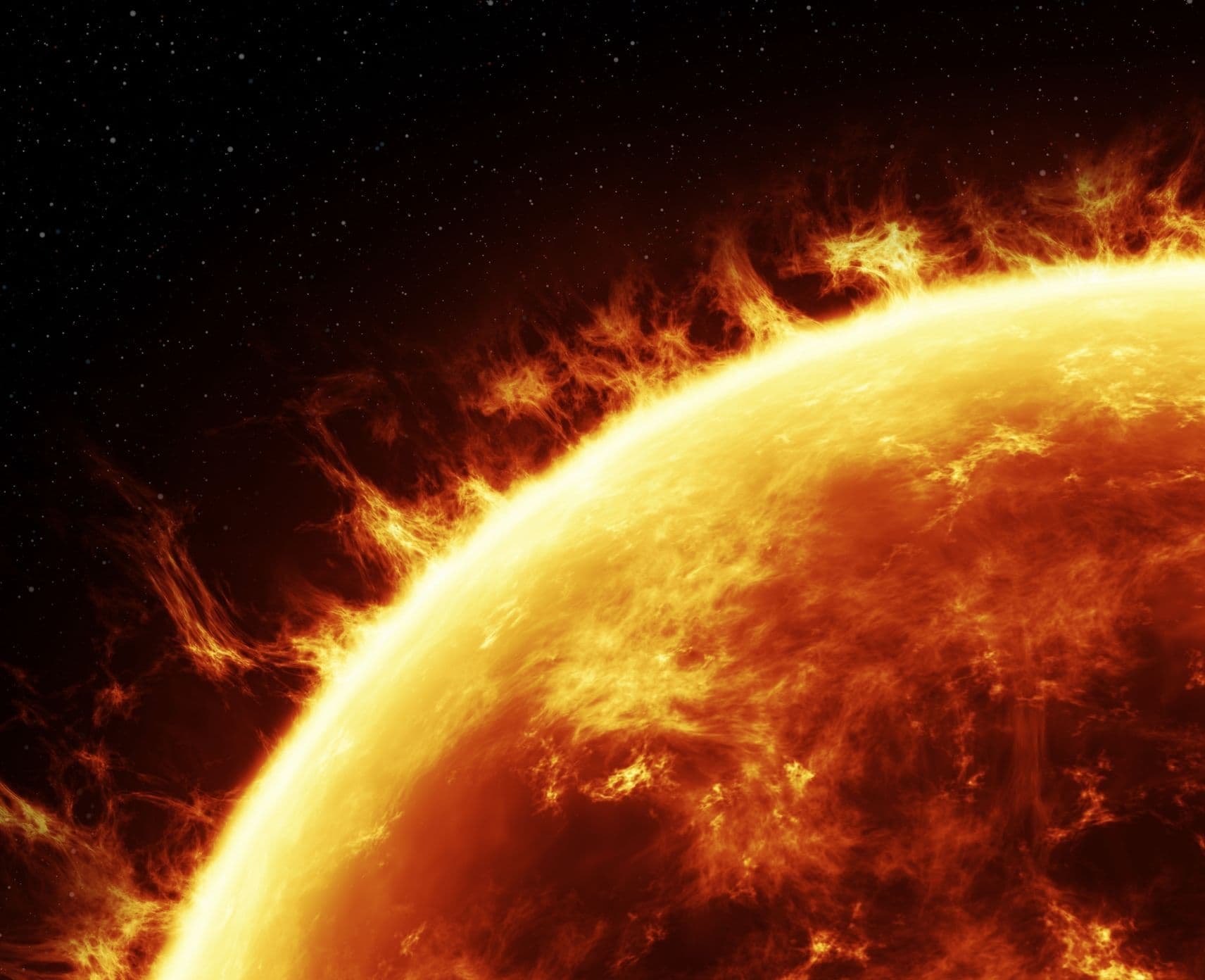
Top image: Solar flares. Photo: This Lama/shutterstock.com
Featured experts

Professor Matthew Hole
ANU School of Computing
Professor Matthew Hole is an ITER Science Fellow at the School of Computing and an expert in fusion energy science, specialising in magnetic confinement fusion.

Associate Professor Charles Gretton
School of Computing
Associate Professor Charles Gretton FIEAust is the Director of Attention and Innovation at the ANU Integrated AI Network.
Contact the media team
Related tags:
You may also like
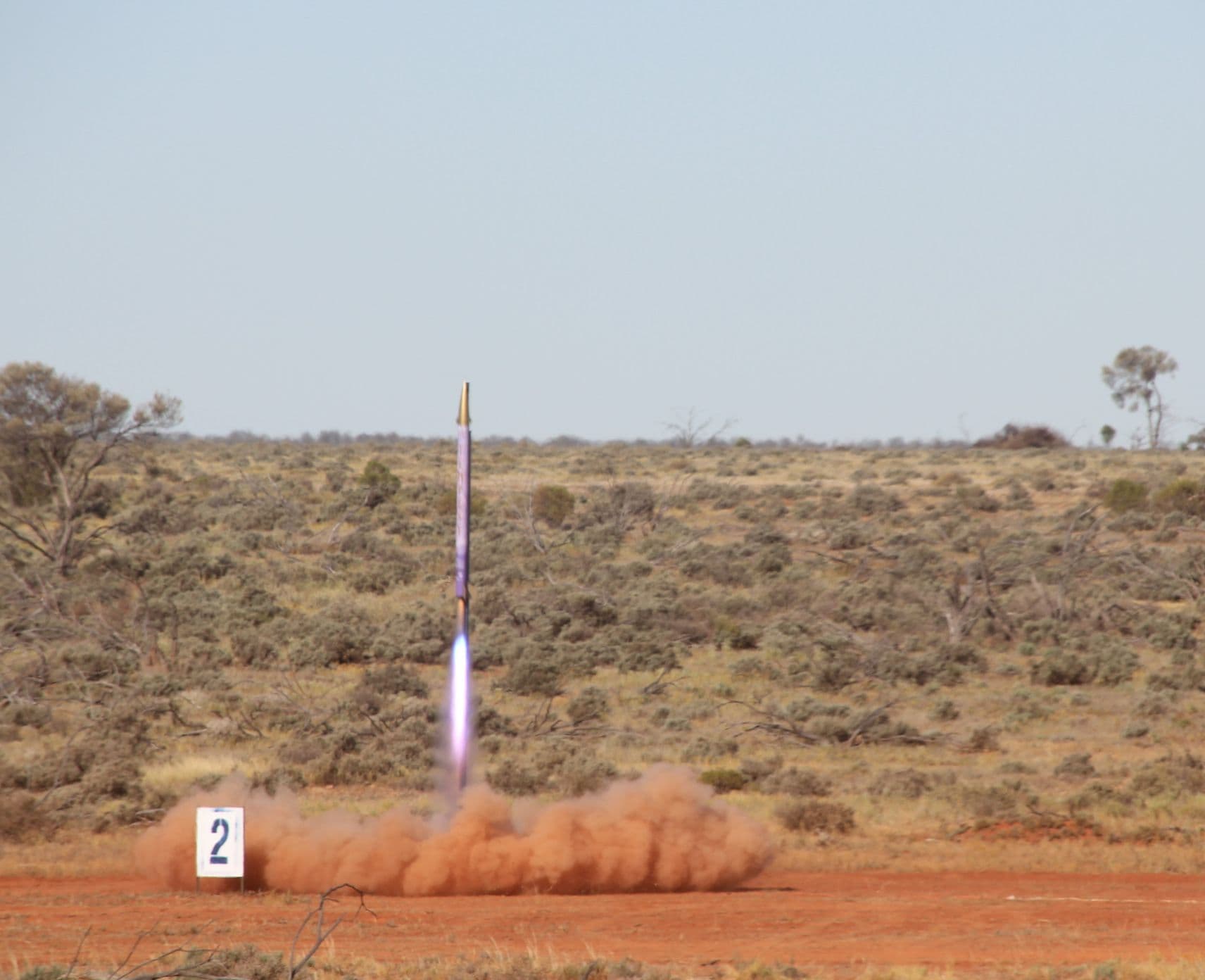
ANU Rocketry reaches new heights with national competition win
After months of design, testing and preparation, ANU students have soared to victory at the 2026 Australian Universities Rocket Competition.
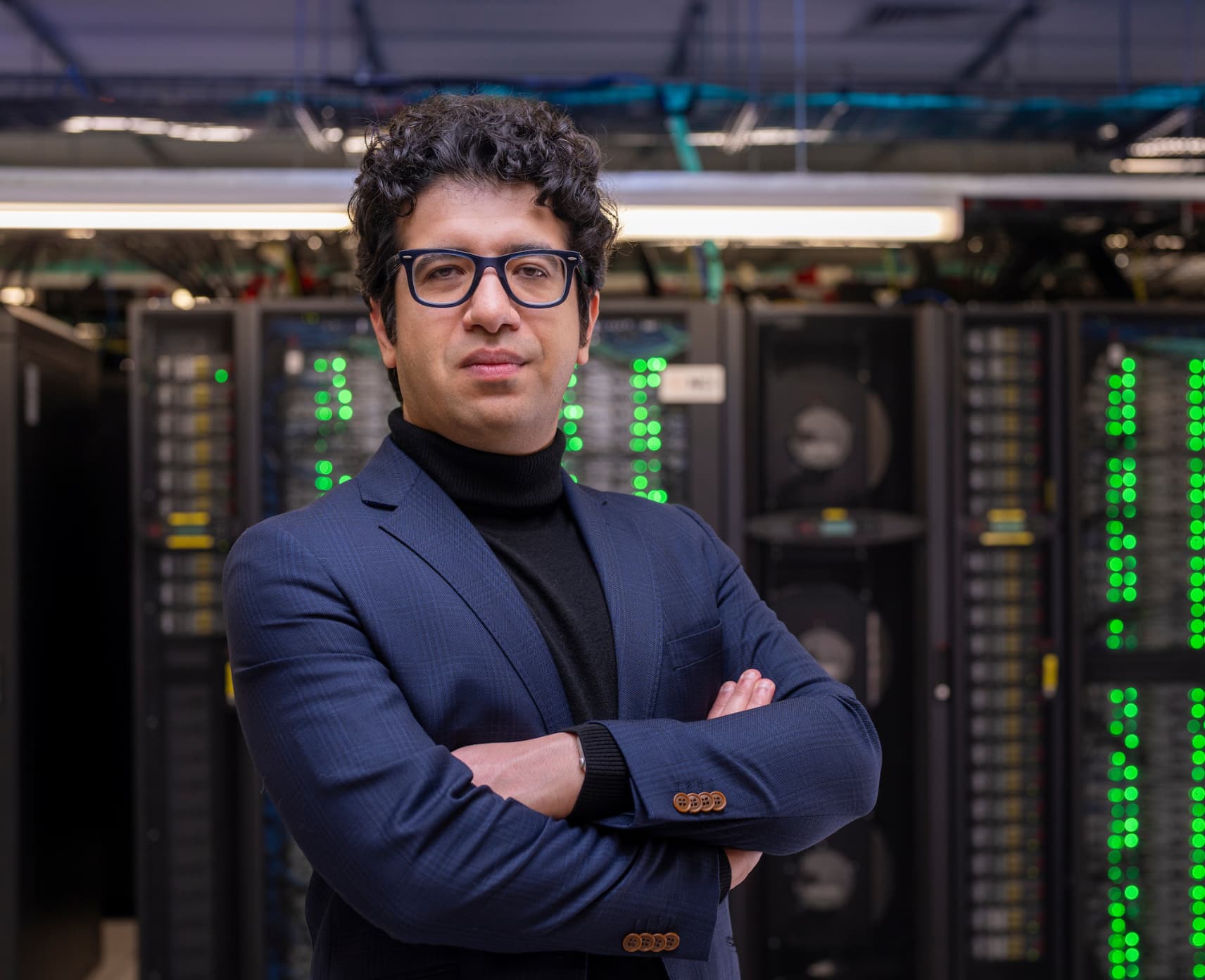
Codebreakers tackle cancer drug resistance with machine learning
Dr Eli Niktab is building a genome atlas to tackle chemotherapy resistance – and is attracting significant global funding.
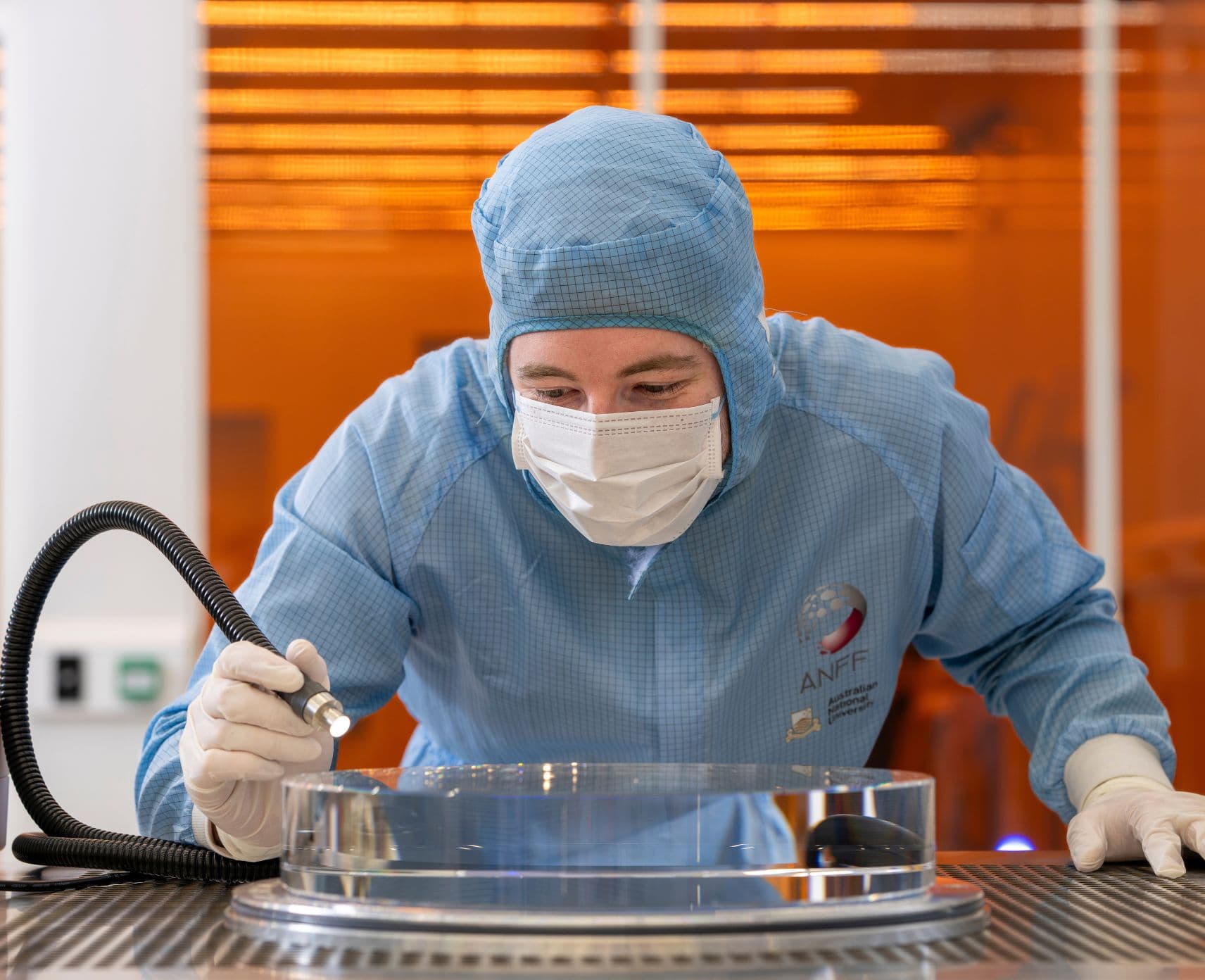
Ultra-precise ANU coatings help power the next generation of gravitational wave detectors
ANU researchers have developed ultra-precise optical coatings for LIGO’s specialised beamsplitters, helping improve the observatory’s ability to detect faint gravitational waves from across the universe.