
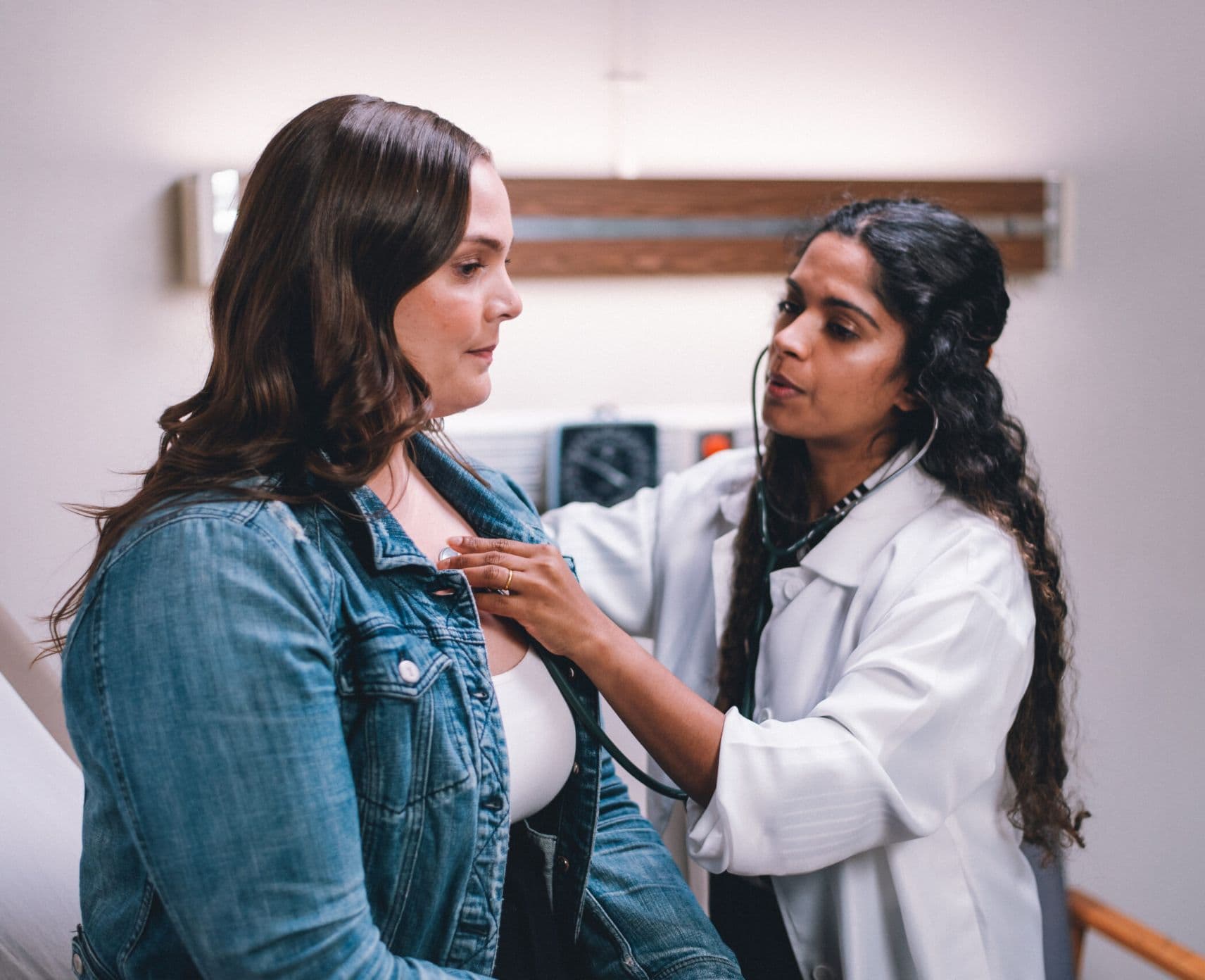
Breaking down biases: tackling weight stigma in medicine
The bad news: weight bias exists in medicine. The good news: researchers have found promising interventions to support medical students to provide weight-inclusive care.
Article by:
Olivia Congdon
Interim Editor
Imagine you’ve been experiencing severe breathlessness. You visit your GP with your concerns. The doctor looks at you and says: “you just need to lose weight”.
But you know something isn’t right with your body and you’re worried it’s a respiratory issue. You book into a specialist, only to be dismissed again: “you just need to lose weight”.
Eventually, your symptoms worsen. You end up being diagnosed with lung cancer. You are rushed to surgery to have one of your lungs removed. You live out the rest of your life with one lung, knowing that if you’d been diagnosed earlier, it might not have been this way.
This is a true story that happened to a young Australian woman. Now, that story has been used as a case study to help medical students learn how to provide weight-inclusive care.
Bias is ingrained, it’s not intentional
“Weight bias is negative attitudes, beliefs about, and behaviours towards people with larger bodies that is driven by negative stereotypes,” says Dr Joanne Rathbone, a psychologist at the ANU School of Medicine and Psychology who studies the impacts of social stigma.
Her research includes finding interventions for reducing and unpacking weight bias in medical settings.
“In the medical space, weight bias often presents as assumptions about what causes are driving health concerns of people in larger bodies,” Rathbone explains.
Those assumptions may be that a larger person must be engaging in unhealthy behaviours or laziness, causing their ill health.
But there are numerous drivers of obesity, including genetics and environmental factors, so these assumptions are often unhelpful – in fact, they can be extremely harmful.
Of course, there are so many health professionals who don’t hold these biases, Rathbone is quick to caveat. And health professionals that do hold weight bias are not trying to cause harm.
In fact, weight bias in medicine often is based on good intentions and trying to do what health professionals believe is best for a patient’s health.
But regardless of intentions, weight bias drives inequitable care.
Bias can cloud a health professional’s decision-making process, with a tendency to jump straight to weight loss as a solution, at the expense of exploring other potential health issues.
Or, in the case of eating disorder care, assumptions that a person isn’t sick enough based on their higher weight can limit the care a patient receives.
Stigma causes bad health
The inequities go beyond individual health practitioners; they’re built into our systems.
“There’s a lot of systemic issues that encourage inequitable care, so even health professionals who are trying their hardest to be more weight inclusive in caring for their patients are coming up against these structural barriers,” Rathbone says.
Body mass index (BMI) criteria, which are increasingly understood to be an inaccurate short-cut to evaluating health, are used in eligibility for certain surgeries and treatments, like access to public fertility treatments.
When weight stigma exists in society, people start to internalise negative attitudes about their own larger bodies too, and that in itself is harmful.
“It doesn’t mean that weight’s not important, but all these other health issues are important too, and stigma and discrimination is just not okay.”
“There’s increasingly more and more evidence to suggest that the internalisation of weight stigma can do so much damage to our psychological health and wellbeing. And it has been linked to increases in the risk of mental health disorders such as depression, anxiety, disordered eating, and risk of suicide ideation,” Rathbone says.
“There’s also implications for physical health – the chronic stress that being exposed to stigma and discrimination of any kind on a daily basis manifests itself physically.”
Studies suggest that more than half of people who would classify themselves as overweight or obese have experienced weight stigma from doctors and other health professionals.
That’s similar to the prevalence of weight bias in the rest of society, explains Rathbone.
It becomes an issue when medical professionals are putting people’s weight above every single other health indicator for a person, she says.
“It doesn’t mean that weight’s not important, but all these other health issues are important too, and stigma and discrimination is just not okay,” Rathbone says.
Supporting future doctors
It’s with these ideas in mind that Rathbone and her colleagues at the ANU School of Medicine and Psychology developed a course to help support students to provide weight-inclusive care.
Case studies, like the story of the young woman with lung cancer, are central to the course.
“We’re getting people to grapple with the realities of what it’s like interacting with the healthcare system as a person in a larger body, trying to develop empathy for these patients, and to be really person-centered,” Rathbone explains.
The course is not about ignoring real health issues connected with having a higher weight in health consultations, nor is it about rejecting weight management – it’s about reducing harm and doing the best for the patient.
The results of the first course were promising, with the majority of students engaging in nuanced self-reflections and over the sessions changing their assumptions. It shows that self-reflective learning approaches work in this space.
Rathbone is excited about the prospect of working further with students and health professionals on weight inclusive care, but she acknowledges that weight stigma needs to be addressed from many angles.
It is a long game.
“When it comes to weight bias prevention and reduction, we need to be catching people early on in their training and teaching them, not just about preventing weight bias, but all kinds of bias,” Rathbone says.
“Inclusive care across all groups needs to be tackled as students are commencing and going through their training, and then also as they progress in their careers.”
Top image: Obesity Action Coalition
You may also like
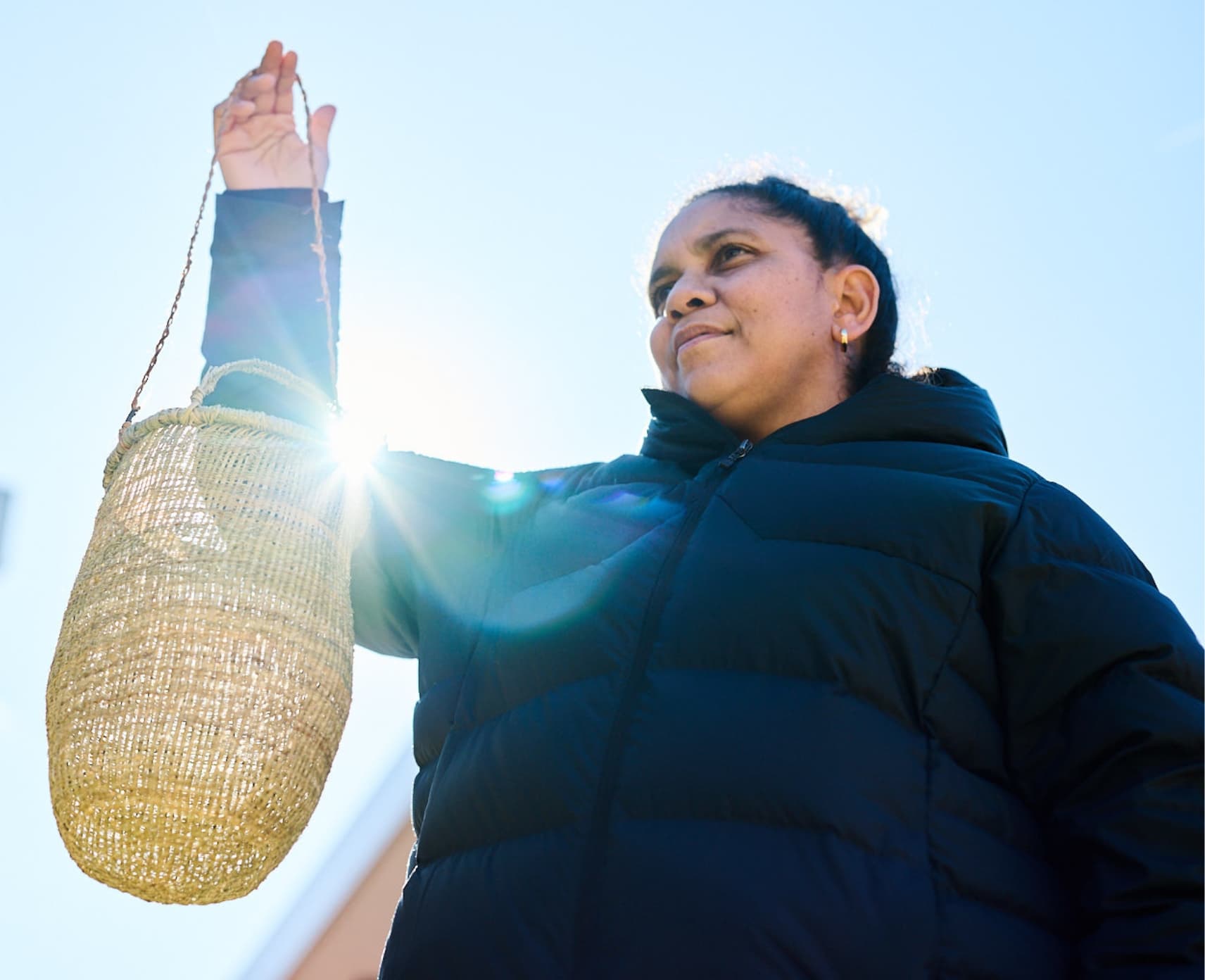
Strong and healthy: How Mob-driven leadership is transforming Indigenous health research
The history of Indigenous health research in Australia is deeply entwined with practices that were often extractive, exploitative and driven by non-Indigenous agendas. Now, Yardhura Walani and the National Centre for Indigenous Genomics are leading the way to change that.

Poor communication in hospitals is putting Australians at risk. Researchers are fighting back
The ANU Institute for Communication in Health Care is on a mission to improve the safety and quality of patient care in hospital contexts.
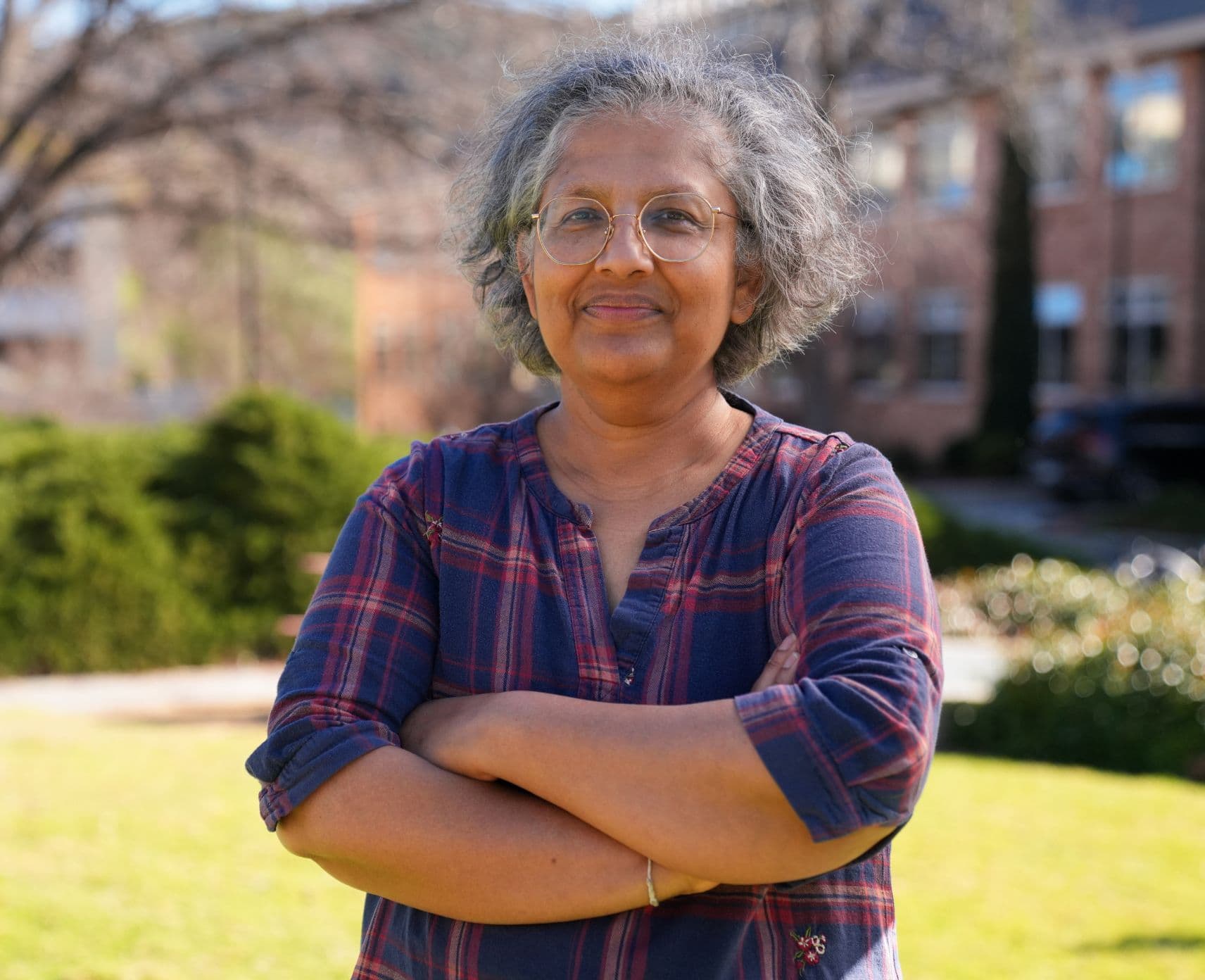
Help where you can: Professor Kamalini Lokuge on why research must serve humanity
From the Ebola outbreak to the COVID-19 pandemic, Professor Kamalini Lokuge has been driven to provide humanitarian health care wherever in the world it may be needed.