
Can we separate the music from the musician?
What do we owe the artists we can’t stop listening to?
Article by:

Cecilia Millar-Rakisits
Contributing writer
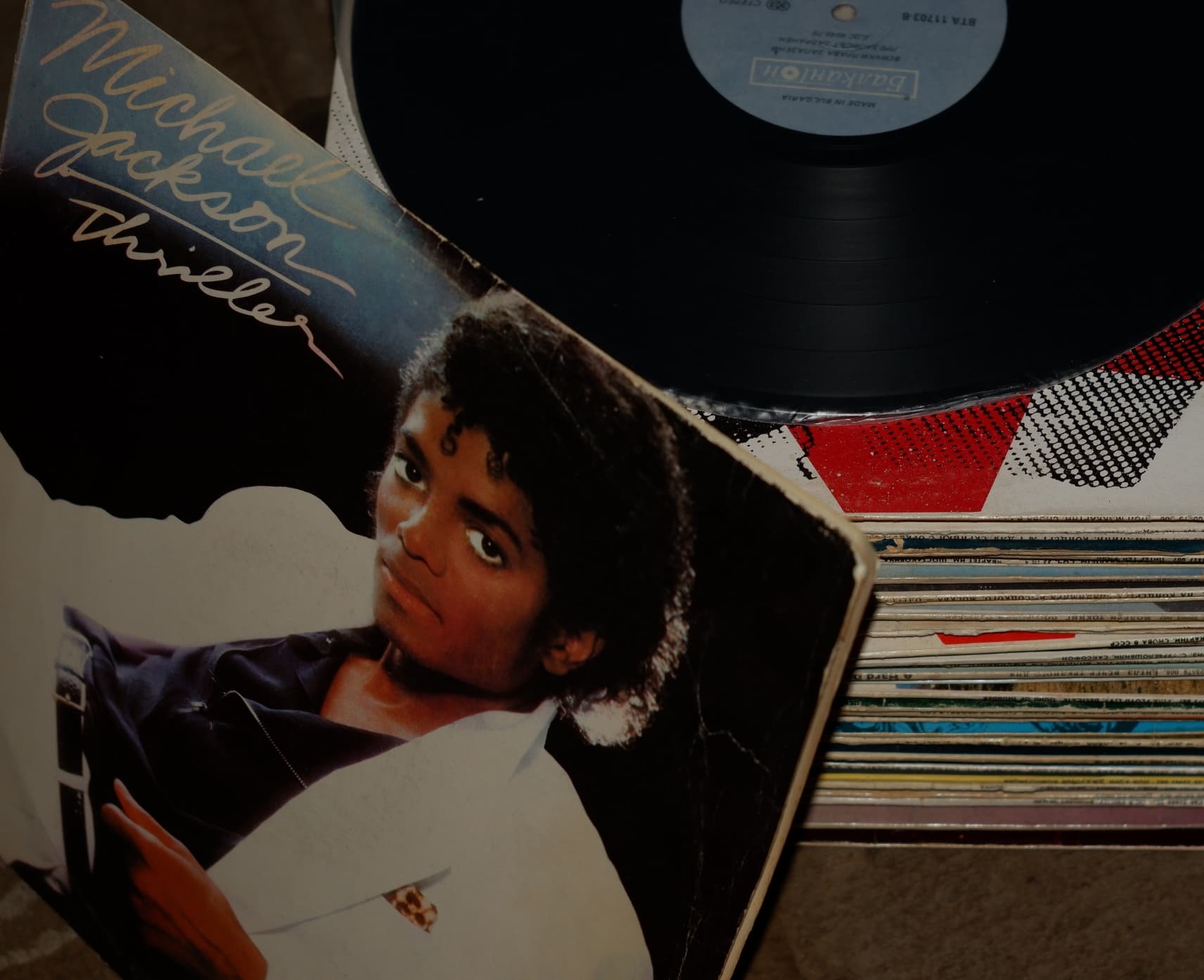
Every few years, debate around Michael Jackson resurfaces. With the release of the Michael biopic and Netflix’s Michael Jackson: The Verdict, so too does the question that reaches far beyond just one artist: can we separate the music from the musician?
Two ANU experts, Senior Lecturer Associate Professor Kristin McGee and Professor Garrett Cullity say the answer is more complicated than choosing whether to play or skip a song.
Michael Jackson is perhaps the clearest example of this dilemma.
Hailed the ‘King of Pop’, he remains one of the most influential musicians of all time. He redefined the music video and broke down racial barriers in the entertainment industry. Jackson’s songs became the soundtrack to millions of lives.
Despite this, allegations against him of child sexual abuse continue to shape public debate about his legacy, nearly two decades after his death.
There is tension between these two realities. How do we reconcile incredible artistic achievement with deeply troubling allegations?
The question isn’t if we can still enjoy Michael Jackson’s music, but whether we can do so ethically. If his songs neither endorse nor allude to the allegations against him, is it okay to turn a blind eye – or does listening become a form of support?
Jackson is one example among many. From Kanye West to Sean ‘Diddy’ Combs to Richard Wagner, audiences around the world have grappled with whether it’s possible to separate creative work from the people who created it.
Why you can’t stop listening
For Associate Professor Kristin McGee, Senior Lecturer at the ANU School of Music, the answer begins with why music may affect us differently from almost any other art form.
“Artists become role models,” she says. “They really get to the core of what people find most meaningful in life – love, grief, hardship and joy.”
Songs or entire albums become attached to moments that mark our lives. Heartbreak, weddings, road trips – our best and worst moments are often accompanied by a soundtrack. Songs don’t just remind us of moments; they become part of them.
“Artists become role models. They really get to the core of what people find most meaningful in life – love, grief, hardship and joy.”
Associate Professor Kristin McGee
McGee explains that musicians occupy a unique place in our lives because they give voice to feelings that we struggle to articulate ourselves: “Music has the ability to make people feel seen.”
This emotional attachment explains why some people find it difficult to separate the music from the musician.
“I think there’s a form of cognitive dissonance that happens,” she says.
Rather than consciously excusing harmful behaviour, many listeners simply compartmentalise. The music continues to hold an emotional significance, even when the musician and their actions become difficult to reconcile.
Can art exist independently of its creator?
McGee says there are two broad ways to think about the question of whether we can separate the music from the musician.
One argues that once any type of art exists, it takes on a life of its own. Therefore, audiences are within their right to appreciate music without endorsing the musician who created the work.
The other way argues that separating the two perpetuates how culture can excuse, enable or overlook abuse.
McGee doesn’t believe either position tells the full story. “My approach is to play the music, but give and be aware of the context,” she says.
Given music is a fundamental part of McGee’s teaching, she knows some artists and songs can be confronting for her students. Instead of avoiding them completely, she makes sure to give them the space to listen, step away if needed, and encourages them to think critically about the music they’re hearing.
“I ask students, ‘Is this triggering for you?’ If so, I won’t play it. I use it as an opportunity to open a conversation about how context shapes our understanding of music.
For McGee, pretending a controversial artist never existed is not the answer. “Just erasing someone and cancelling them doesn’t acknowledge how they function within culture.”
This debate isn’t new. German composer Richard Wagner is one of the most influential figures in classical music, despite being notoriously antisemitic. His operas are still regularly performed, reflecting a long-running debate about whether an artist’s work can be separated from their personal beliefs and actions.

The ethics of pressing play
For philosopher, Professor Garrett Cullity, the dilemma isn’t just cultural, it’s ethical.
“Actions can also be right or wrong because of what they express, rather than what they cause,” Cullity says.
For example, listening to Michael Jackson alone in your car versus playing one of his songs publicly at a school concert communicates different things.
Cullity argues that some artforms are easier to separate from their creators than others.
“A singer is presenting a persona,” he says. “If the stories about Michael Jackson are true, then that affects how we read what we’re being presented.”
Cullity cautions against blanket moral rules. Modern life is full of ethically imperfect systems, from the products we buy, to the platforms we use daily.
Rather than asking whether listening is always right or always wrong, he encourages people to think about what their choices support, what they communicate, and whether in that particular context, it was a reasonable choice.
Living with the grey area
Neither McGee nor Cullity believes there’s a universal answer. For McGee, the important thing is conversation rather than outright cancellation. Cullity argues philosophy doesn’t offer a simple test for separating art from artists. Instead, it reminds us that our choices don’t just have consequences, they also express something about what we value.
The question, then, isn’t simply whether we can separate the music from the musician. It’s whether we are willing to think critically about what our choice to keep listening says about us.
Top image: Shutterstock
Related tags:
You may also like
The archaeologist unearthing a new chapter in the history of Southeast Asia
Professor Dougald O’Reilly’s new book breathes life into the prehistoric pasts of Myanmar, Malaysia, Indonesia, Cambodia, Thailand and Vietnam.
Remembering Ernie: the man behind Llewellyn Hall
As Llewellyn Hall marks its 50th anniversary, Emeritus Professor Larry Sitsky reflects on the musician and friend for whom the hall is named.
One historian, centuries of gossip and a fresh look at Ancient Rome
What did ordinary Romans really think of their rulers? Professor Caillan Davenport’s new book draws on juicy rumours and gossip to reveal the answer.