
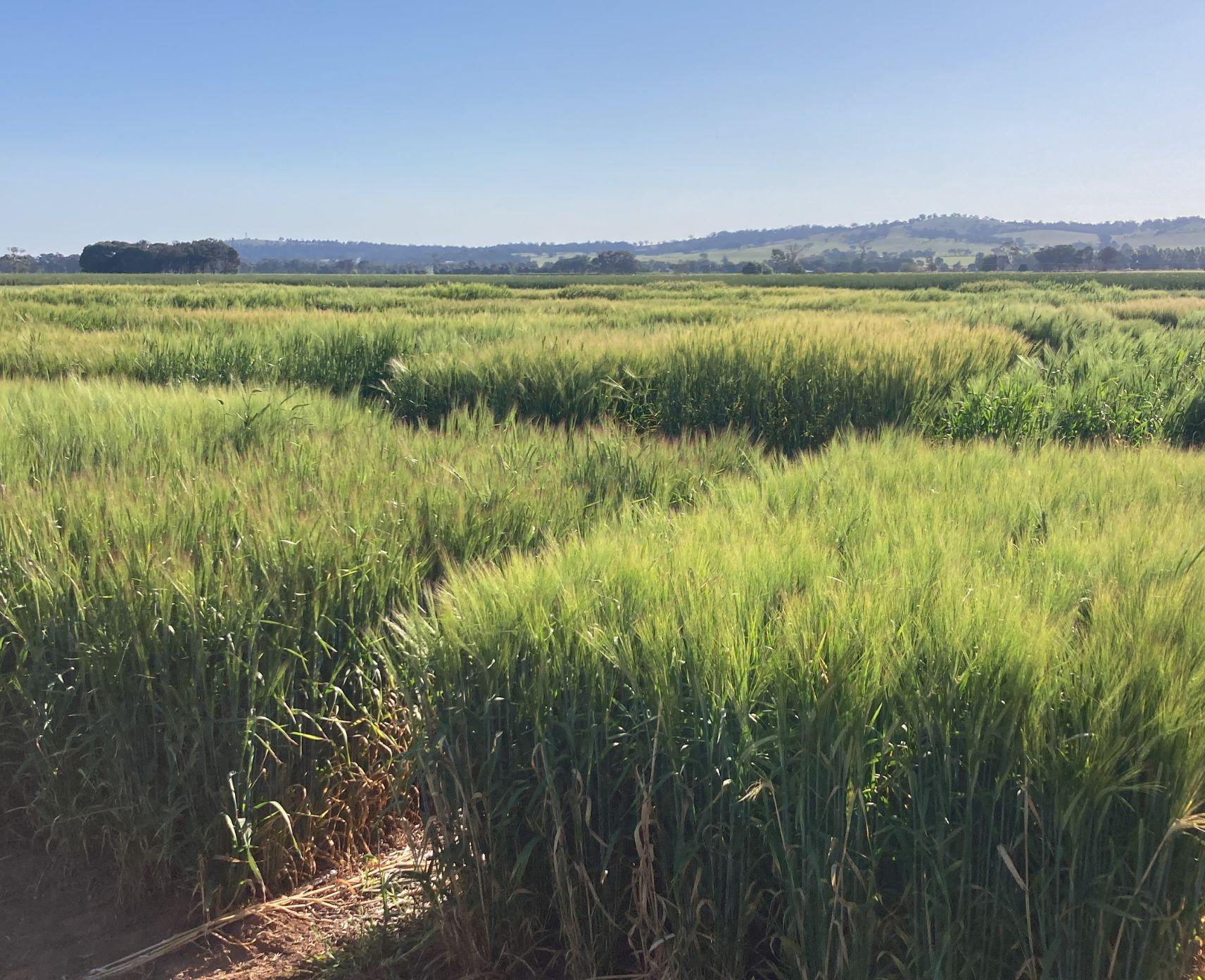
Seeding the future of barley for higher yields and greater stress tolerance
The evolution of barley has been uncovered by a team of international scientists, including from ANU, revealing key genes influencing flowering, adaptation and grain yield.
The evolution of barley has been uncovered by a team of international scientists, including from The Australian National University (ANU), revealing key genes influencing flowering, adaptation and grain yield.
The study, led by the Leibniz Institute of Plant Genetics and Crop Plant Research in Germany, offers new insights into one of the world’s most important cereal crops and gives plant breeders tools to develop improved barley varieties for the future.
Researchers compared genomes across the Hordeum genus (cultivated barley and its wild relatives) to reveal how chromosome rearrangements, gene exchange between species and the movement of genetic material from other grasses shaped its evolution.
Traditionally, grass genomes were thought to possess relatively stable chromosome structures. However, the study’s findings challenge this assumption.
Footprints of ancient hybridisation events across the genus offer a historical record of interspecific gene flow, which is the transfer of genetic material or alleles from one distinct species to another.
These findings provide empirical evidence for ancient hybridization and genome fusion during Hordeum evolution and establish a framework for identifying new avenues for improvement of widely used grains.
Professor Ian Small, Director of the ARC Centre of Excellence in Plant Energy Biology at the University of Western Australia (UWA), and Dr Joanna Melonek, Group Leader and ARC Future Fellow at ANU and an Adjunct Research Fellow at UWA’s School of Molecular Sciences, analysed two families of genes involved in restoring fertility and pollen production in plants carrying cytoplasmic male sterility (CMS).
“CMS is naturally occurring system used in plant breeding to block self-pollination and enable controlled cross-pollination, which is an essential step in hybrid seed production,” Dr Melonek said.
“However, hybrid wheat and barley are not yet widely grown, partly because efficient systems for producing hybrid seed on a large scale are still lacking.”
The two gene family members investigated, the pentatricopeptide repeat (PPR) and mitochondrial transcription termination factors (mTERFs), include genes that can restore fertility in male-sterile plants.
The gene activity allows plants used as female parents in hybrid breeding to produce viable pollen in the next generation.
By investigating how these proteins recognise and regulate specific RNA molecules, Professor Small and Dr Melonek aimed to identify new fertility-restorer genes and develop genetic tools that could accelerate hybrid breeding in wheat and barley.
Beyond expanding genomic resources for Hordeum, this work provides a framework for investigating structural genome evolution, reconstructing complex evolutionary histories, and harnessing genetic diversity.
The results could support the development of more efficient hybrid breeding systems in wheat and barley, offering crops with higher yields and stress tolerance.
The study is published in Nature.
Top photo credit: Dr Francisco Pinera Chavez/ANU
Contact the media team
You may also like

A biologist’s voyage to protect future seas
Associate Professor Ana Sequeira has spent much of her career tracking ocean giants and leading a global project to reveal where marine megafauna need the most protection. Now her work is set to feature in the finale of Blue Planet III narrated by Sir David Attenborough.

ANU receives Google funding to boost fusion energy research with AI
ANU researchers have secured Google.org funding to use AI and advanced computing to accelerate fusion energy research.
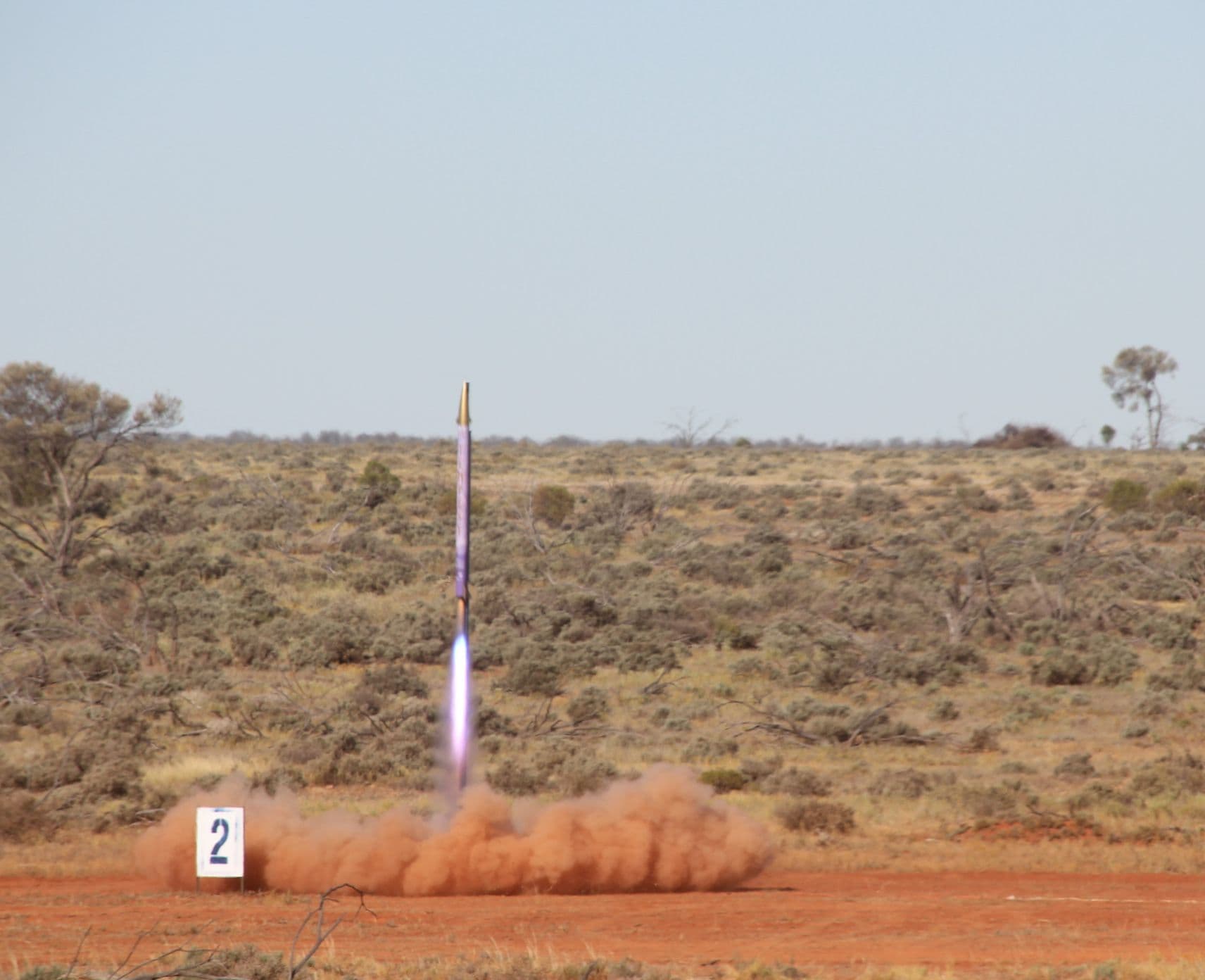
ANU Rocketry reaches new heights with national competition win
After months of design, testing and preparation, ANU students have soared to victory at the 2026 Australian Universities Rocket Competition.