
Tom Foley on stewardship, trust and the future of the ANU Library
As he steps into the role of University Librarian, Tom Foley reflects on the job he calls “an honour, a custodian role” and what makes a library worth trusting.
Article by:

Kathryn Vukovljak
Contributing writer
A library can be many things: a place to study, a gateway to knowledge, a space to meet, browse the shelves, follow a curiosity, or settle in with a book.
For Tom Foley, the new University Librarian at The Australian National University (ANU), its role goes deeper.
“Libraries existed before universities and have been essential to communities for thousands of years,” he says.
“They provide access to trust and knowledge, and safety of place – that can be online and in person.”
The sheer scale of the ANU Library is impressive: 35 kilometres of physical collections, valued at around $500 million, coexisting with extensive scholarly collections of digital resources that see around 100 million electronic uses per year.
Nearly a million visitors walk through the doors each year (Chifley being most visited).
There’s a treasured collection of 44,000 rare books and special research collections worth around $14 million, some dating back to the 15th century. There’s the first ANU thesis awarded in 1953, and teeny, tiny tomes that fit in the palm of your hand.
Foley manages the services and resources provided through the library including the University’s print repository and the five library branches – Chifley, Hancock, Menzies, Law, and Art & Music. He clocks in thousands of steps on campus every day, visiting them all on rotation.
It’s a view that shapes how Foley sees his new role, which he took up this month after a career spanning university, national and parliamentary libraries, from the Scottish Parliament’s Information Centre in Edinburgh and the National Library of Australia, to a decade at ANU, working across Hancock and Menzies libraries before leading client services university-wide and later serving as Associate Director.
He sees the ANU Library playing a broader role in University life – supporting research and education while connecting the community.
That connection is more visible during exam periods, when Chifley Library fills with students, chatter, coffee cups, snacks and long queues.
“It puts a different twist on how libraries are perceived and how they’re used. When the hush is gone it’s such a different vibe and I love it,” Foley says.
“I want people to feel comfortable there and that the space gives them a sense of belonging.”
For Foley, taking on the University Librarian role is a chance to build on the Library’s history while bringing a more strategic focus to its work.
He sees the role as one of stewardship, following six previous University Librarians.
“Having all these librarians behind you, you feel the legacy – this is an honour, a custodian role,” he says.
Supporting research and education
Foley says the Library works with the Council of Australian University Librarians and other partners on scholarly publishing and open-access agreements, helping researchers navigate a rapidly changing publishing environment.
ANU Library has enabled over 3,400 articles to be published as open access. Foley says this is part of enabling research impact – providing the expertise and infrastructure researchers need to share their work with the world.
The Library’s role in education is also evolving, with information literacy increasingly encompassing AI literacy and critical thinking.
“We’ve always had a responsibility to help people navigate information – to understand where it comes from, how to assess it and how to use it well,” he says.
“AI changes the tools, but it doesn’t change that responsibility. If anything, it makes it more important.”
A new chapter for the Library
For Foley, the Library’s community extends beyond ANU. He wants to look outward, build connections with libraries and collecting institutions nationally and internationally, and share expertise on the challenges shaping the sector.
That approach is reflected in ANU Library’s new role as a founding member of AI4LAM (Artificial Intelligence for Libraries, Archives, and Museums), an international network exploring the implications of artificial intelligence for the sector.
“For me this reflects ANU Library’s ambition to help shape, not just simply respond to, the impact of artificial intelligence on libraries, research, and cultural institutions,” he says.
“It provides the opportunity to be part of international conversations on responsible AI and ensure that ANU brings both expertise and leadership. Importantly, it positions the library at the intersection of innovation, scholarship and stewardship, helping our community navigate AI in ways that support research excellence and the public good.”
Closer to home, Foley plans to keep bringing Library staff together to shape its purpose and priorities. For him, that means finding the balance between leading and listening.
“It’s not only physical space, physical collections and digital collections – it’s very much about the people who work there, library staff, and how they engage and welcome,” he says.
As he begins his tenure, Foley is looking as much to the future as to the past.
For him, the Library’s enduring role is to remain a trusted place for learning, discovery and connection, and he hopes to maintain and grow this, while evolving with the University.
“Maybe that’s an aspiration, but there’s nothing wrong with having aspirations.”
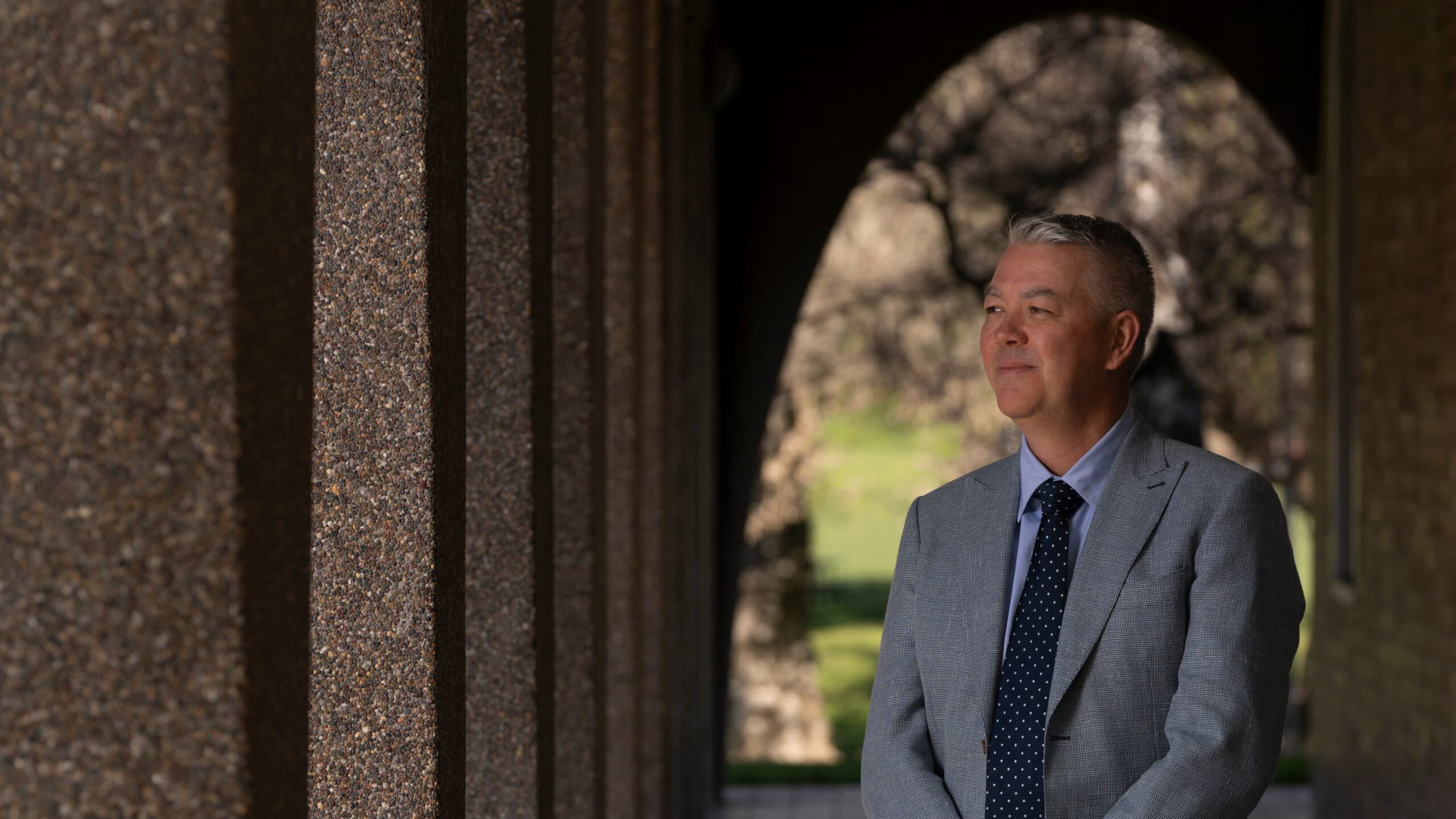
Tom Foley. Photo: Jamie Kidston/ANU
Related tags:
You may also like
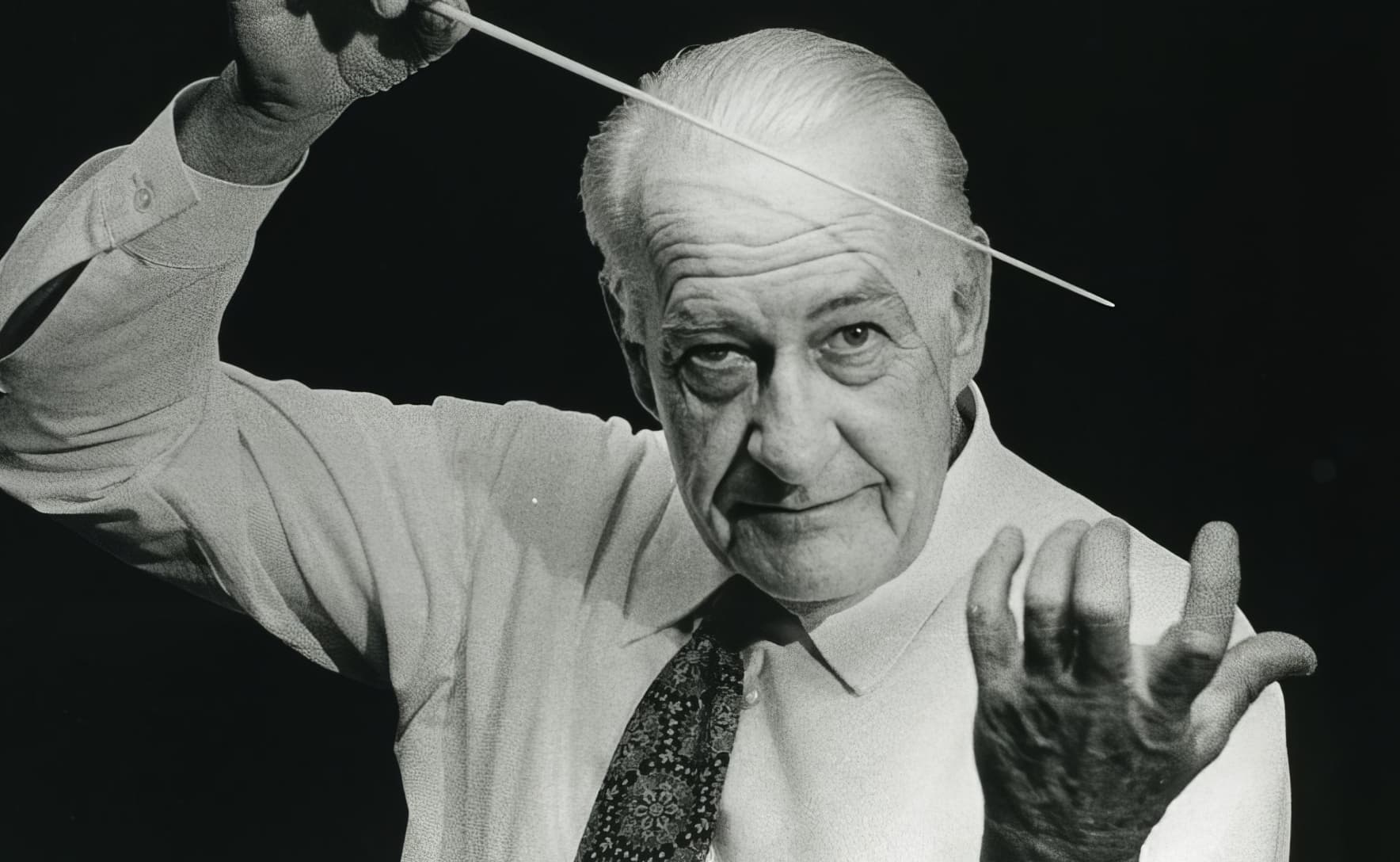
Remembering Ernie: the man behind Llewellyn Hall
As Llewellyn Hall marks its 50th anniversary, Emeritus Professor Larry Sitsky reflects on the musician and friend for whom the hall is named.

A battle on two fronts: Chris Taylor’s fight for climate and life
“I’m a student of life, a student for life.” Time is running out for Chris Taylor, but that is not stopping him from working to leave a better world behind.
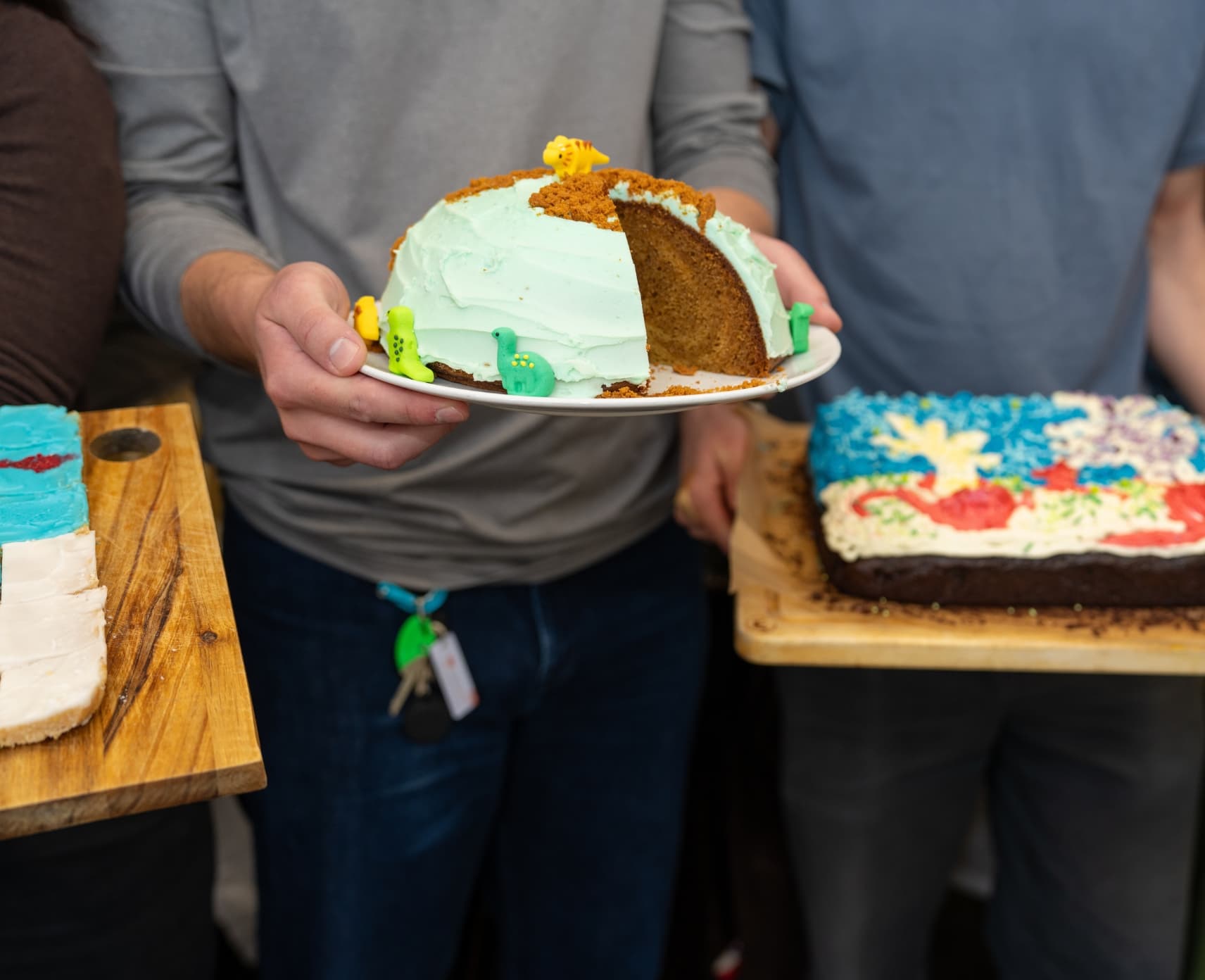
Bake your PhD: Can you have your doctorate and eat it too?
The tastiest annual tradition has returned in 2026.